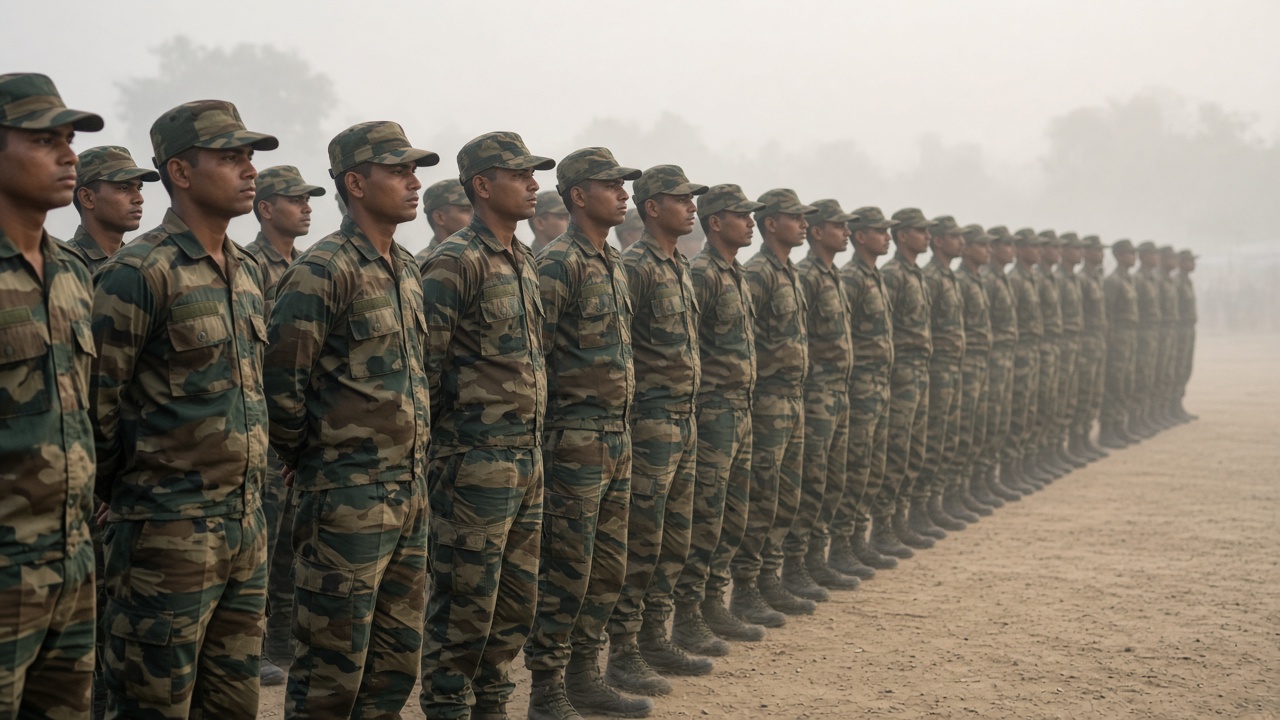
India's Union cabinet on Tuesday signed off on rules to absorb the first batch of Agniveers as their initial four-year contracts near completion, keeping the Agnipath recruitment model in place while offering a longer runway for most short-service personnel who had faced an uncertain exit.
Chief of Defence Staff General N.S. Raja Subramani told reporters Wednesday that the Agnipath scheme "has not been discontinued" and will continue to feed the Army, Navy and Air Force with young recruits. Under the cabinet decision, about 25 percent of Agniveers will be permanently absorbed into the services after annual performance reviews, while the remaining 75 percent may receive a two-year extension before a second chance at permanent enrollment if they meet objective criteria and choose to stay.
How the two-step pathway works
Defence officials outlined a staged process rather than a single cut-off at the four-year mark. After the initial tour, the top quarter judged on merit will move directly into regular ranks. Others can serve an additional two-year engagement, with another absorption window at the end of that period for those who pass medical, disciplinary and skills benchmarks.
Subramani said the arrangement is designed to retain trained personnel in units that invested in their specialization, while preserving Agnipath's original goal of rejuvenating the force with younger profiles. The Press Information Bureau said the extended block will carry higher remuneration, an enhanced Seva Nidhi package and seniority benefits. Roughly 18,300 members of the first intake had been scheduled to leave by December without the change.
Politics around the 2022 reform
Agnipath sparked protests in several states when it was unveiled in 2022 because early briefings suggested most recruits would leave without pensions or long-term benefits. Opposition parties have since pressed the government to guarantee jobs or veterans' status for every Agniveer; ministers counter that Tuesday's cabinet note answers the most urgent demand from the first intake by creating a defined absorption ladder.
Congress and regional leaders said the announcement still leaves a majority of recruits on temporary terms after six years unless they win the second absorption lottery. The government argues that performance-based retention is standard in modern militaries and that Agniveers who exit will receive a severance package marketed as a startup fund, though economists debate whether that sum covers the opportunity cost of four to six years in uniform.
What recruits and commands should expect
Unit commanders were told to begin identifying candidates for the first 25 percent tranche as records from the inaugural Agniveer batches are consolidated. Human-resource branches in Delhi said detailed instructions on medical standards and appeal mechanisms will follow in a departmental letter, with the first absorptions expected to roll out before the current contracts expire.
For India's defence establishment, the decision closes a politically sensitive gap weeks before winter session debates. For the roughly 40,000 Agniveers already in training pipelines, it clarifies that Agnipath remains the sole entry route for now—and that a second two-year block is the default path unless they land in the permanent quarter early.