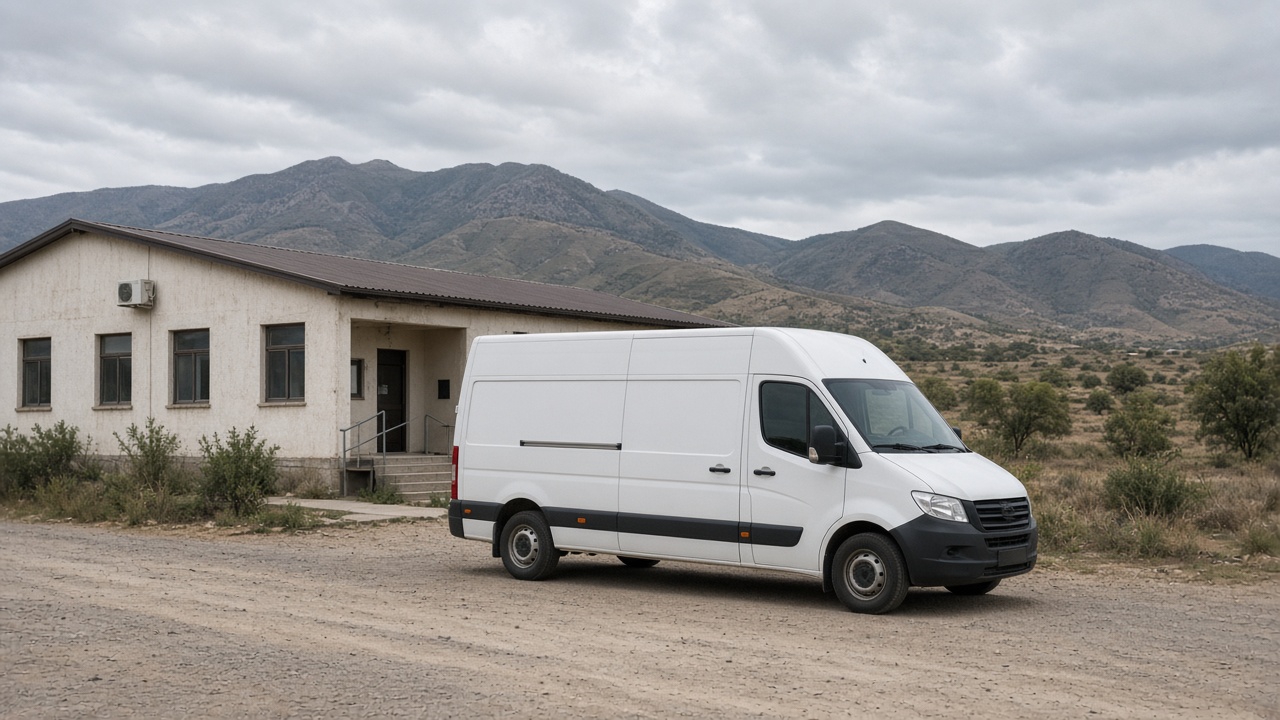
Iwate Prefecture Red Cross chapters dispatched mobile oral surgery teams to mountainous municipalities that lack full-time specialists, staging Culture-Week clinics before winter road closures isolate aging patients from hospital care. Hana Inoue’s health desk reads the tours as gap-fillers—not a substitute for permanent staffing—timed to holiday return visits when adult children accompany parents to appointments.
Clinic format
Vans carry portable imaging, sterilization units, and recovery chairs into town halls converted for day clinics. Oral surgeons extract infected teeth and plan follow-ups that local nurses manage until spring thaw reopenings.
Teams prioritize patients flagged by municipal home-visit nurses during prior heatstroke and influenza campaigns.
Access barriers
Mountain roads narrow when snow fences go up; residents without cars defer care until pain becomes emergency-room visits in distant cities. Mobile clinics reduce ambulance miles if infections are caught earlier.
Tele-dentistry pilots help triage, but extractions still need hands on site—Inoue notes limits of remote-only promises.
Workforce reality
Permanent hires struggle when housing and spousal jobs scarce in small towns. Red Cross rotations bring specialists from coastal hospitals on paid leave schedules coordinated with prefectural grants.
Medical societies track procedure counts to argue for loan forgiveness programs tied to rural service years.
Funding
Prefecture subsidies cover fuel and sterilization supplies; van depreciation relies on national rural health line items debated in supplementary budgets. Without renewal, tours shrink to summer-only windows inadequate for winter pain crises.
Philanthropic donations fill glove and anesthesia gaps when budgets slip.
Follow-up care
Local nurses change dressings and monitor antibiotics; surgeons return monthly via helicopter slots when weather permits. Electronic health record uploads remain patchy—Inoue flags privacy-compliant photo sharing as a workaround.
Dental schools send residents on rotation buses to observe mobile clinics, hoping to recruit graduates to rural contracts with loan relief.
Prefecture health planners mapped drive times to the nearest hospital-capable oral surgeons and will publish updated maps when spring ferry schedules resume.
Mobile teams carry satellite phones where LTE drops on mountain roads; tele-triage photos still need standardized patient consent forms across municipalities.
Bottom line
Iwate’s mobile oral surgery teams bridge specialist shortages until roads close. They buy time—not a permanent fix—for aging municipalities facing another snow season.