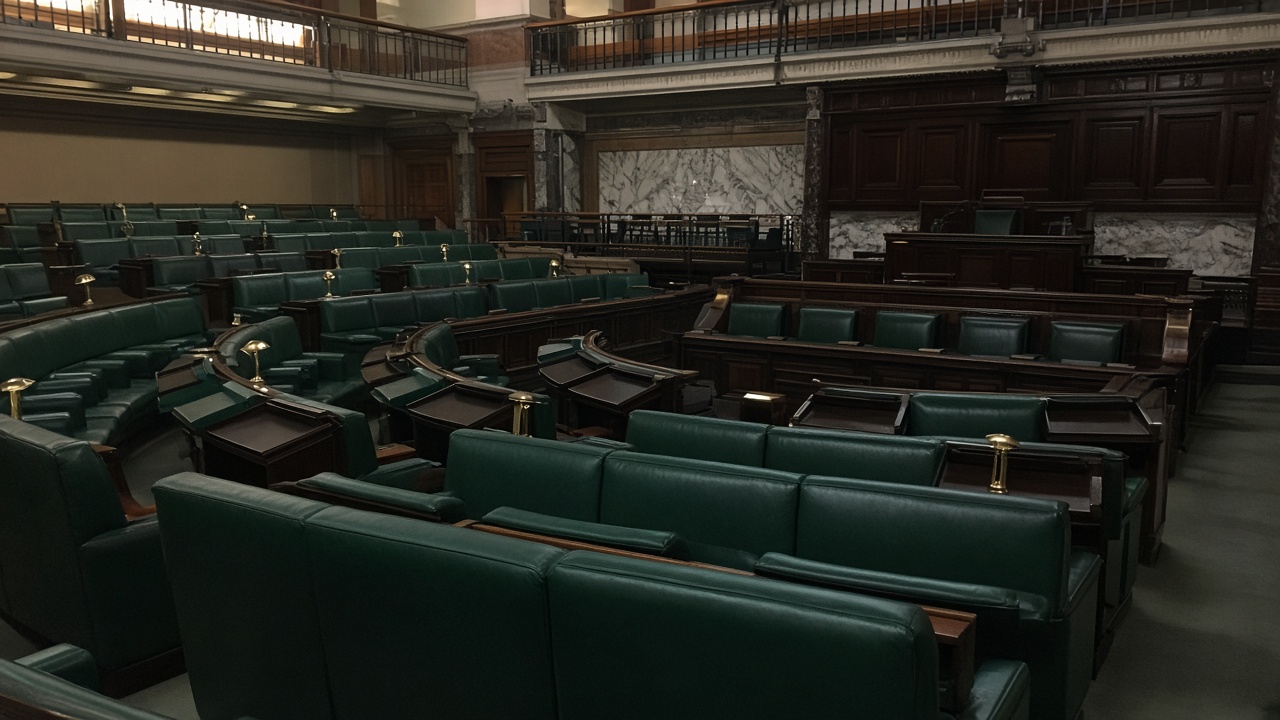
Opposition Leader Sussan Ley opened question time on Tuesday by claiming Labor's spending had denied Australians a Christmas interest rate cut, hours after the Reserve Bank left the cash rate unchanged at 3.60 percent and upgraded its inflation outlook.
Ley asked Prime Minister Anthony Albanese whether cheaper mortgages were ever coming, citing household surveys on food stress and mortgage arrears in outer suburban electorates. Albanese dismissed the question as rhetoric, pointing to energy price caps and stage-three tax cuts already flowing through payslips.
Treasurer's response
Treasurer Jim Chalmers acknowledged many homeowners wanted more relief but said the board's decision was widely anticipated after September quarter inflation reaccelerated. He argued public demand was not the primary driver of the CPI spike, highlighting fuel volatility and global supply shocks rather than Commonwealth budget measures.
Deputy Liberal leader Ted O'Brien pressed for quantifiable fiscal rules, suggesting the government scrap fringe-benefits tax concessions on electric vehicles as a savings measure. Chalmers countered that the Reserve Bank's own forecasts showed the contribution from public spending to growth had been revised down, undermining the opposition's narrative of runaway Canberra consumption.
Inflation politics
Both sides are campaigning on cost-of-living pain even as headline inflation has halved since the 2022 election peak. Labor emphasises cumulative rate cuts delivered earlier in the cycle; the Coalition argues the last mile of disinflation requires spending restraint and faster supply-side reform in housing and energy.
Governor Michele Bullock's comment that the next move could be up if inflation stalls gave opposition MPs fresh ammunition, though economists note the board's central scenario still envisages inflation returning to band by 2027. Markets priced out a December cut, aligning with Chalmers' message that relief may take longer than households hope.
Behind the theatre, public servants are preparing mid-year budget updates and housing accords with states. Whether question time barbs influence Martin Place is doubtful; they do shape voter perceptions ahead of a federal election still expected next year.
State angles
State premiers avoided the Canberra spat on Tuesday, focusing instead on housing supply announcements timed for morning news cycles. Yet mortgage stress differs sharply between Sydney and Adelaide, complicating national messaging on who benefits from prior rate cuts.
The Greens used supplementary questions to push for rental caps, a policy Labor rejects but which resonates in inner-city seats where cup-week spending contrasts with food-bank demand. Coalition MPs linked rental inflation to migration settings, expanding the debate beyond Reserve Bank mechanics.
Economists on both sides agree fiscal policy matters at the margin for inflation, but disagree on how much Commonwealth spending adds to services prices versus state fee decisions on energy networks. That nuance rarely survives question time sound bites clipped for evening television.
Parliamentary budget office requests for updated sensitivity analysis on spending measures may surface before the final board meeting of the year, giving MPs factual anchors if debate resumes after cup day distractions fade.
Local read
Readers following these developments through regional outlets should watch for follow-up statements from state and federal agencies due later this week. Market and policy desks will update figures as official releases land, and court lists may shift hearing dates on short notice.
Households weighing personal decisions—whether refinancing, booking travel, or accessing health care—should treat news headlines as starting points and confirm details with primary documents such as regulator announcements, Medicare item descriptors, or scheme booklets filed with the exchange.
InfoHandle will track subsequent filings and data prints tied to this story as they become available through official channels rather than anonymous briefings.