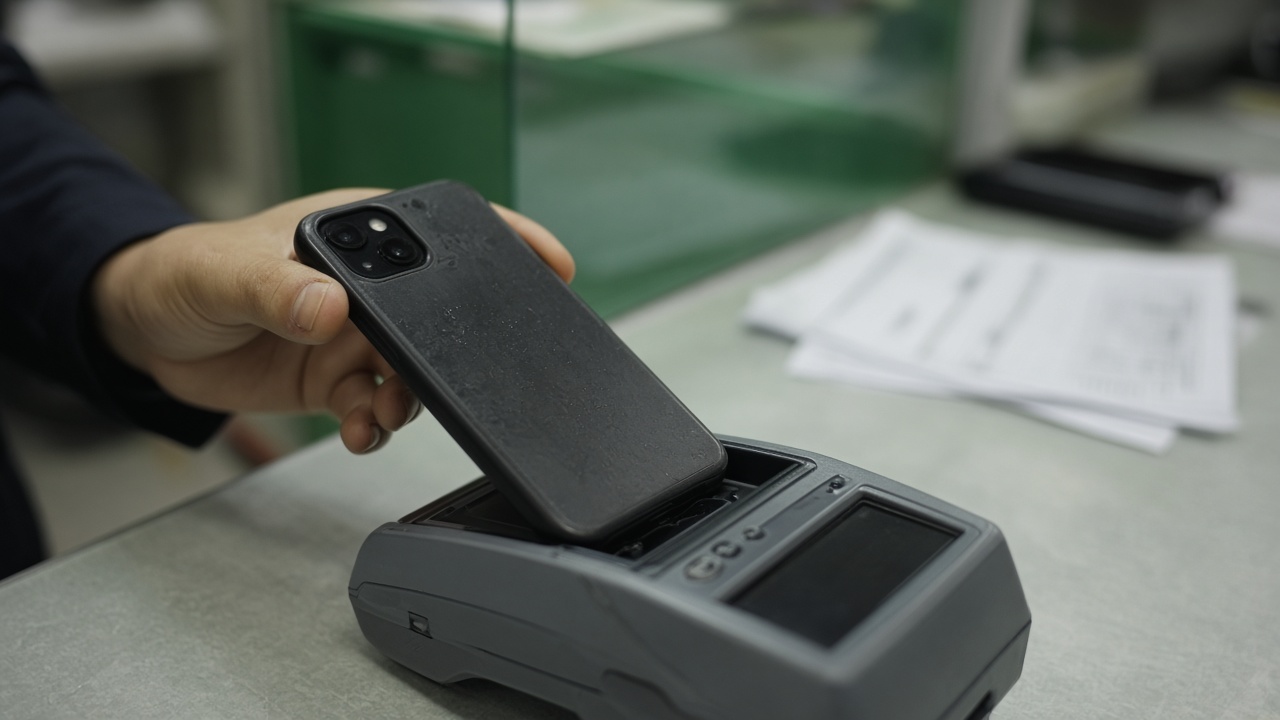
The National Payments Corporation of India raised per-transaction UPI ceilings for insurance and several other merchant categories in circular OC 185B dated 28 August 2025, requiring member banks, apps, and payment service providers to implement the new limits by 15 September 2025. For policyholders, the operational change is that verified insurance merchants using MCCs 5960, 6300, and 6529 can collect premiums up to Rs 5 lakh in a single UPI debit, with a Rs 10 lakh cumulative cap over 24 hours on the merchant side.
The enhancement builds on OC 185A, which had already lifted tax-payment limits, and repeats a core condition: higher caps apply only to merchants NPCI categorises as Verified Merchant, with acquiring banks responsible for compliance with earlier KYC and onboarding circulars cited in the PDF. Issuing banks retain discretion to set internal limits below NPCI ceilings, which explains why some customers still see lower caps at the PIN screen even when the network maximum has moved.
What buyers and insurers must verify at checkout
Business Standard reported that from 15 September users could pay up to Rs 5 lakh per transaction in insurance and capital-market categories, with daily aggregates as high as Rs 10 lakh where the annexure allows. Apps such as Google Pay now display verified-merchant cues—a green check beside the banking name and a pre-PIN message stating the maximum payable amount—so users can distinguish a high-limit insurance acceptor from a standard Rs 1 lakh merchant profile.
Peer-to-peer transfers remain on legacy limits, and everyday retail outside the annexure categories is unchanged, meaning the five-lakh figure is not a blanket UPI upgrade. Insurers must ensure acquirers map the correct MCC and verified status; life and general insurers pitching annual premiums above the old one-lakh UPI comfort zone depend on that plumbing. Collections, travel, capital-market, and credit-card bill payment categories received parallel limit tables in the same annexure, but the insurance row matters most for retail protection products where annual premiums can exceed earlier UPI thresholds.
NPCI assigned cumulative limits issuers must enforce at their end, so a customer splitting premium across two policies in a day still runs into the 24-hour merchant aggregate. Simpliance’s regulatory summary noted the compliance date for members and apps, giving tech teams roughly two weeks from circular publication to push rule updates through switch files and risk engines.
For households, the stake is faster settlement without reverting to NEFT cut-offs for large renewals, provided the insurer’s UPI rail is verified. If a transaction fails, checking both NPCI’s published ceiling and the bank’s internal cap is the first troubleshooting step—not assuming the app failed. Laggard merchants still on standard limits represent an integration backlog, not a policy ambiguity, and helpdesks should cite OC 185B when escalating to acquirers.
Capital-market participants receive the same five-lakh per-transaction treatment on MCC 6211 with a ten-lakh daily aggregate, linking this circular to brokerage funding flows as well as insurance. Regulators expect audit trails on high-value UPI debits; issuers must log cumulative totals per customer per merchant category as the PDF footnotes require.
Hospital and education merchants received separate five-lakh rows in the same annexure, but insurance renewals remain the most visible household change now that September compliance dates have passed. Travel bookings on MCC 4722 share the five-lakh single-shot and ten-lakh daily pairing, linking tourism payments to the same verified-merchant discipline.
Credit-card bill payments on MCC 5413 carry a six-lakh daily aggregate in the annexure, a slightly tighter band than insurance, which matters when customers mix premium and card-due debits through the same UPI app on one day.
Member banks must still keep peer-to-peer limits on legacy rails, so splitting a premium across P2P transfers will not bypass the verified-merchant rule set.
Jewellery merchants on MCC 5944 remain on a two-lakh single-transaction ceiling in the same circular, a useful contrast when explaining to policyholders why not every high-value purchase shares the insurance cap.
Apps must refresh switch rules when NPCI publishes annexure updates so PIN screens show the correct ceiling before debit authorization.