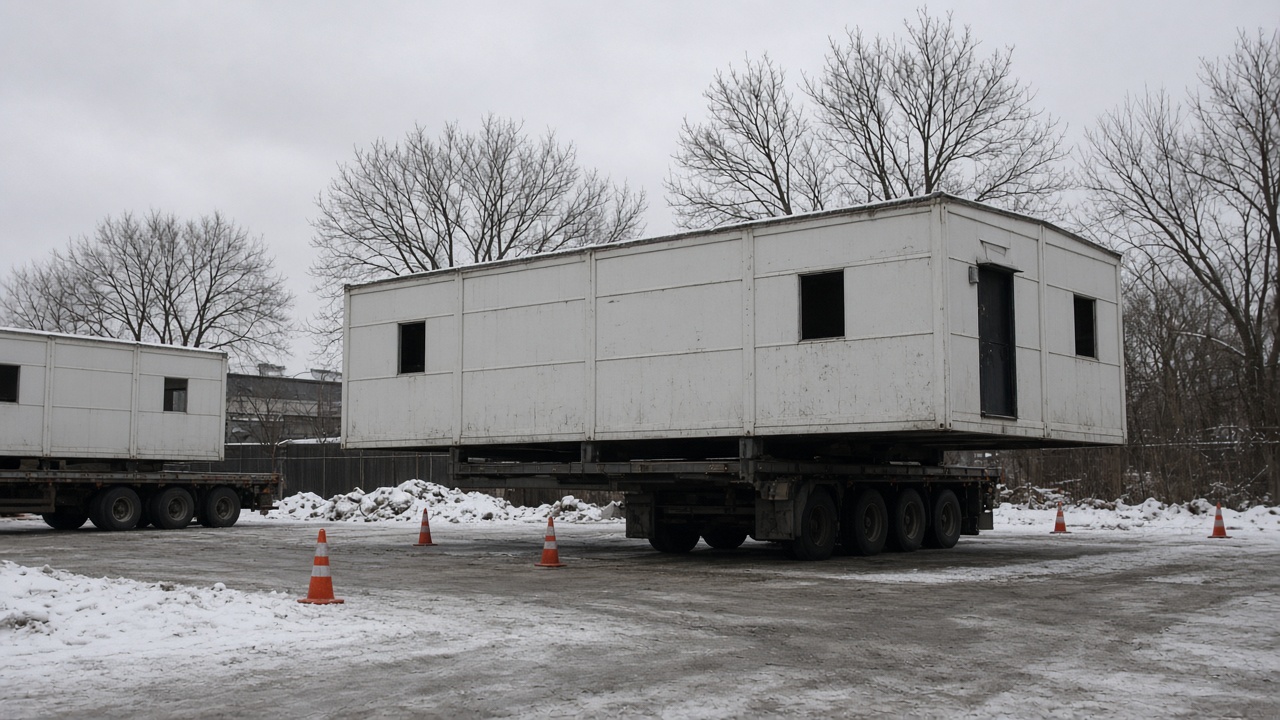
Sekisui House Ltd won a Hokkaido resort operator contract to supply prefabricated dormitory modules for seasonal staff after Culture-Day travel pushed mountain lodging past capacity, according to materials the developer filed with regional partners. Kenji Watanabe’s business desk reads the award as workforce housing infrastructure—not a luxury condo launch—meant to keep lift lines staffed when foreign visitors extend ski-season weekends into November.
Contract scope
The agreement covers two-storey modular blocks with shared kitchens and laundry pods, assembled at Sekisui’s Mie factory and trucked north before heavy snow closes certain passes. The resort operator was not named in documents reviewed for this article; Sekisui described the buyer as a multi-property ski group facing recurring recruitment gaps when dorm beds fill with transient tourists.
Modules ship with insulation packages rated for Hokkaido wind loads and quick-connect utility risers so local contractors can finish site work within a three-week window once pads are graded.
Why modular now
Traditional stick-built dormitories struggle with short construction seasons above the tree line. Prefabrication shifts welding and interior finishing to climate-controlled plants, reducing on-site labor when carpenters are already booked on hotel renovations in Sapporo.
Sekisui has pitched similar units to disaster housing programs; the resort deal reuses floor plans with wider corridors and fire-rated stair cores suited to high overnight occupancy.
Supply chain and cost
Steel frame prices and trucking surcharges remain sensitive to yen moves and diesel taxes. Sekisui hedges some input costs through long steel contracts, but haul distances from Mie to central Hokkaido can erase margin if fuel spikes mid-winter.
Competing modular vendors including Daiwa House Industry Co and local timber panel suppliers bid on the same framework; Sekisui’s win likely reflected delivery guarantees rather than headline price alone.
Resort labor context
Japan’s inbound tourism recovery left ski areas competing with urban hotels for bilingual front-desk and kitchen staff. Dorm quality influences retention when shifts run six days a week during peak powder weeks.
Union presence is limited in resort towns; operators instead compete through housing, meal subsidies, and lift privileges—modular dorms are part of that bundle.
Regulatory checks
Building standards officials in Hokkaido must certify seismic and snow-load calculations even for factory-built units. Sekisui’s filings reference prior approvals in Nagano prefecture as precedent, shortening review if designs match certified templates.
Fire departments sometimes require additional hydrant capacity when bed counts rise; site planners must coordinate water mains before modules land.
Investor read-through
Sekisui House shares react more to domestic order backlogs and U.S. rental housing ventures than single resort contracts, but modular wins reinforce the company’s diversification away from pure detached-home sales in shrinking population regions.
Falsifiers include a mild winter that reduces staffing urgency, a buyer deferral if lift ticket sales miss forecasts, or local opposition to dorm footprints near residential streets in gateway towns.
Operator economics
Lift ticket revenue covers only part of dorm capital costs; operators amortize modules across five-season horizons assuming occupancy above break-even thresholds spelled out in investor decks. If inbound ski traffic softens when yen strengthens, modular payments still come due—Watanabe watches balance-sheet covenants on resort bonds tied to bed counts.
Insurance underwriters now ask whether prefabricated dorm fire drills match hotel standards; Sekisui supplies training videos and sprinkler specs to speed underwriting in municipalities with limited inspection staff.
Bottom line
The Hokkaido modular award is a staffing hedge for ski operators, not a tourism headline. Sekisui converts factory capacity into mountain dorm beds on a clock dictated by snow gates and hiring calendars.