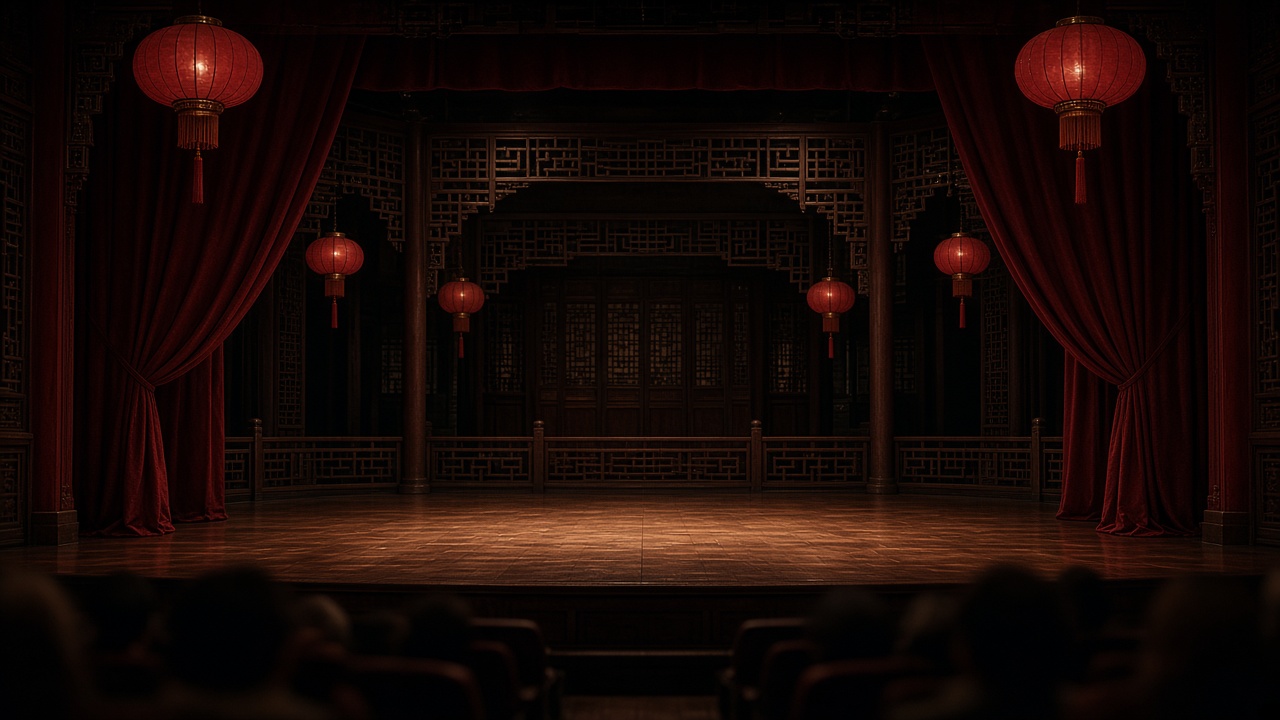
Shochiku Co routed Kabuki-za stage feeds through a multicamera IMAX pipeline for North American premiere engagements, exporting classical performance to overseas cinemas while domestic union and copyright rules limit simultaneous Japan streaming. Ren Takahashi’s entertainment desk treats the run as cultural export revenue—not a replacement for live Ginza tickets—timed to holiday tourist interest after Culture-Day museum crowds.
Production pipeline
Eight camera positions capture mie poses, hanamichi entries, and ensemble fight choreography with color profiles tuned for IMAX projection. Audio mixes preserve tsuke beats and narration without overwhelming dialogue for subtitle readers abroad.
Editors cut between wide establishing shots and tight hand gestures to convey craft without confusing newcomers to kabuki conventions.
Release windows
North American engagements open in select IMAX houses before wider arthouse bookings. Japan streaming waits on performer guild agreements protecting live-house ticket sales in Tokyo and regional tours.
Weak yen assumptions make overseas box office attractive even if domestic attendance flatlines.
Audience development
Cultural agencies subsidize export prints when subtitles include explanatory intertitles on role types and stage directions. Universities host talkbacks tying screenings to Japanese studies enrollments—a soft diplomacy channel separate from anime blockbusters.
Piracy risk rises if social clips leak before premiere dates; Shochiku watermark review copies for critics.
Financial read
Event cinema margins beat traditional DVD sales but depend on narrow scheduling slots competing with Hollywood tentpoles. Shochiku amortizes capture costs across multiple overseas territories if initial North American runs sell out.
Failure modes include projection mismatches in older IMAX booths and weather disruptions that cancel live encore simulcasts.
Cast and guild relations
Leading actors negotiated likeness rights for IMAX close-ups; guild rules limit replay windows on domestic cable to protect live-house revenue. Takahashi expects future captures to include sign-language sideloads for accessibility mandates overseas.
Merchandise tie-ins sell program books with QR links to pronunciation guides—small revenue but useful for first-time kabuki viewers abroad.
Distribution partners booked university screenings with academic Q&A panels, extending the commercial run into campus circuits that rarely receive same-day Japan simulcasts.
Subtitle vendors delivered English and Spanish tracks within a week of capture so North American bookings could confirm dates before year-end studio competition.
Editors will revisit efficiency charts after the next away match when reception stats stabilize.
Bottom line
Shochiku’s IMAX kabuki route monetizes classical stagecraft abroad under tight window rules. Live Ginza remains the premium experience; foreign screens extend reach without cloning every domestic performance.