The Home Office will create an independent watchdog to oversee live facial recognition and introduce new legislation setting limits on how police deploy the technology, Policing Minister Sarah Jones said Wednesday as the Metropolitan Police prepared to expand fixed cameras across central London.
What ministers announced
Jones told BBC London that a consultation launched last December showed broad public acceptance of LFR when forces use it against wanted offenders or missing people, but voters wanted clearer rules. The forthcoming bill will set principles barring low-level enforcement uses, she said, citing unpaid parking fines as an example of a scenario where cameras should not run.
The Home Office said the new body could scrutinize deployments and, in extreme cases, seek enforcement action to block a force from using LFR. Jones emphasized intelligence-led operations and oversight rather than a moratorium, aligning with the Met’s argument that the kit has aided more than 3,000 arrests over the past two years.
Met expansion plans
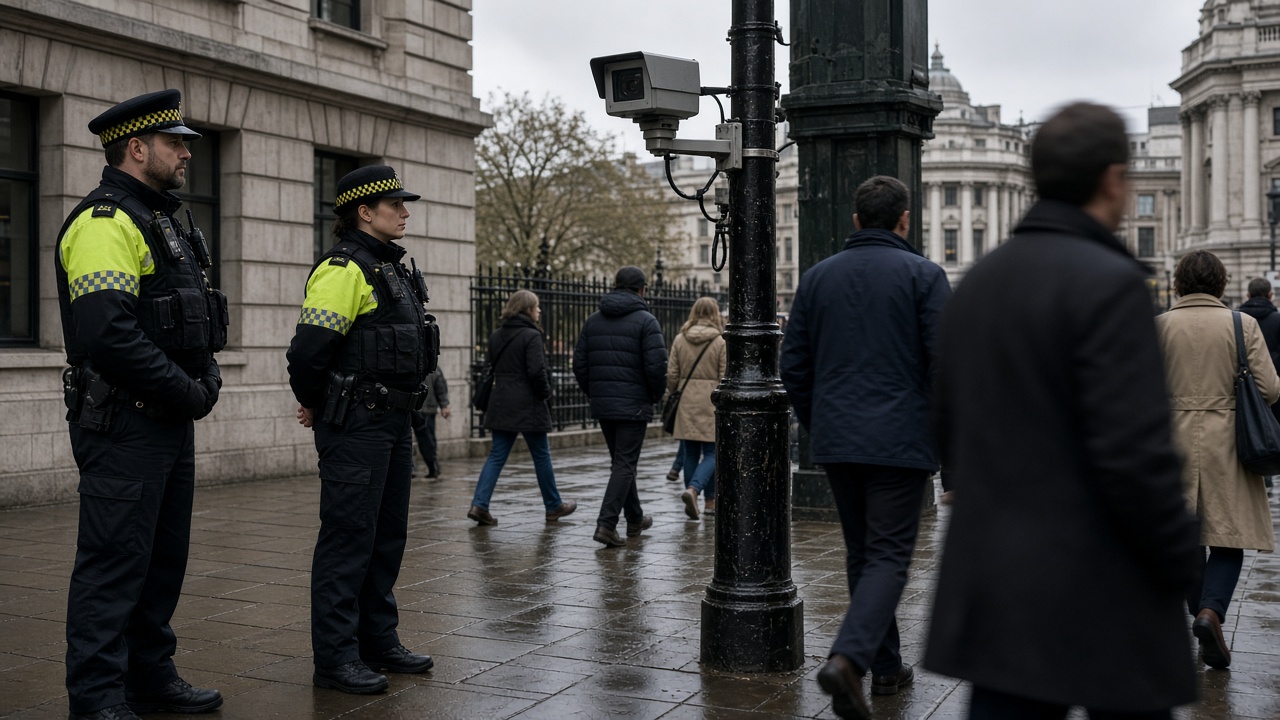
Commissioner Sir Mark Rowley’s service is preparing to extend static LFR cameras from a Croydon pilot to the West End and Soho in December, attaching units to street furniture such as lampposts for remote operation. Officers on the ground must still verify algorithmic matches before making stops, a process the force says reduces false positives.
Privacy group Big Brother Watch criticized the rollout, telling the BBC that the technology treats every passerby as a watchlist match until ruled out. Jones responded that proportionality tests in the bill would address those concerns while preserving tools she said were making London safer during evening economy hours.
Legal framework
Live facial recognition maps facial features against watchlists generated for specific operations, distinct from retrospective video analytics. Current deployments rely on common-law powers and data-protection impact assessments, a framework the Information Commissioner’s Office has reviewed but not blocked outright.
Jones, MP for Croydon West, appeared at an LFR deployment in her constituency while outlining the policy, signaling that ministers expect visible policing benefits before Parliament debates the bill. No timetable has been published for second-reading dates, and devolved forces in Scotland and Northern Ireland operate under separate statutory regimes.
What comes next
Police and crime commissioners in England and Wales will be asked to publish annual LFR transparency reports under draft guidance accompanying the legislation, according to officials briefed on the plan. The watchdog would report to Parliament on false-match rates and demographic disparities, metrics civil liberties groups have demanded since the Met’s first public trials in 2020.
Retail and transport operators experimenting with private LFR remain outside the policing bill’s scope, though the ICO has warned commercial deployments must meet UK GDPR standards. Jones said commercial use was a separate regulatory track and that the policing package focused on state power in public space.