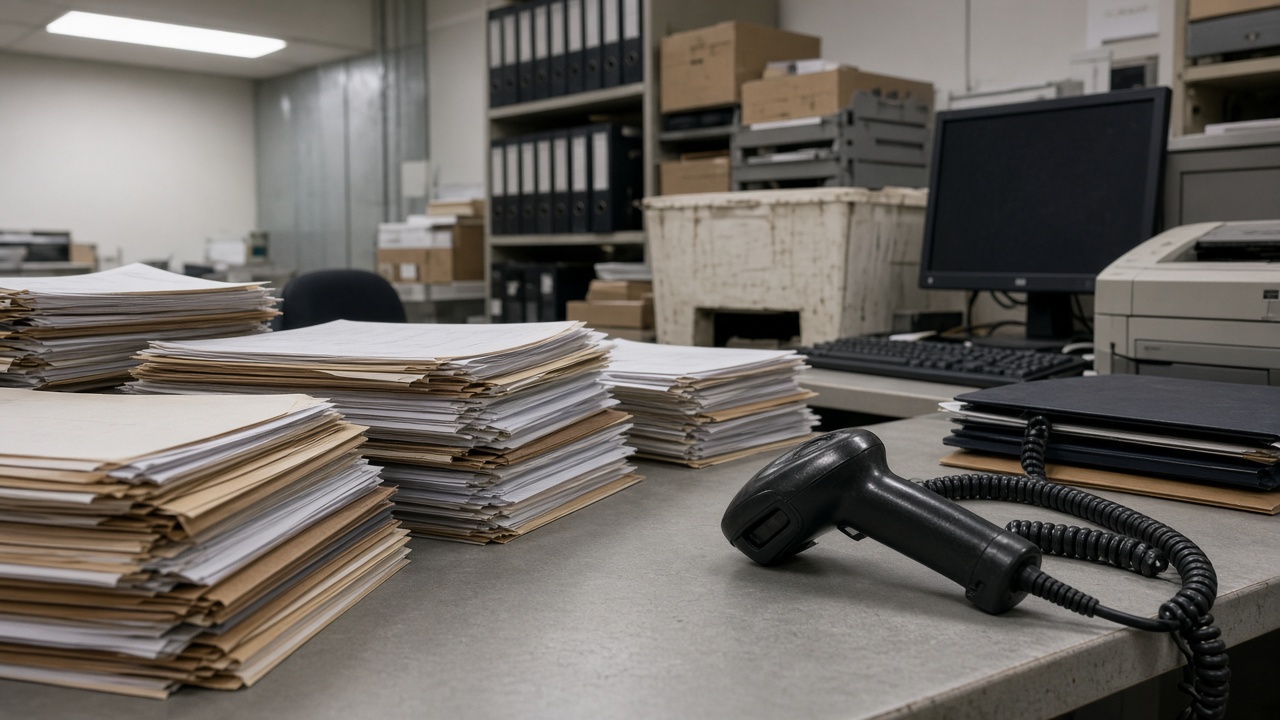
WiseTech Global is piloting agentic artificial intelligence inside CargoWise customs workflows, letting freight forwarders ingest PDF manifests and invoice scans before a licensed broker approves tariff codes for lodgment with the Australian Border Force.
The Sydney-listed software company, whose platform is used by more than 17,000 logistics providers, said the AI workflow engine assigns specialised personas to document ingestion, harmonised system code research and compliance checks, escalating only uncertain lines to human staff.
How the pilot works
In demonstrations shown to investors, an import entry begins when scanned bills of lading and commercial invoices arrive from email inboxes or portal uploads. The model extracts line items, matches product descriptions against prior declarations and suggests classification codes, flagging lines where confidence scores fall below internal thresholds.
WiseTech AI team lead Mirta Fagundes dos Santos told analysts the classification assistant already automates roughly 90 percent of routine coding work, leaving brokers to validate edge cases involving food safety, quarantine or anti-dumping measures. That split matters in Australia, where incorrect declarations can trigger retrospective duty bills and importer blacklisting.
Brokerage economics
Customs brokers charge per entry or on retainers tied to shipment volume. If agentic tools compress data entry from hours to minutes, firms can either handle more declarations with the same headcount or protect margins as clients push for flat-fee pricing. WiseTech chief executive Richard White has argued the industry could eventually operate with far fewer manual processing roles, a message that unsettled union officials at recent logistics conferences.
The tools ship inside new CargoWise Value Packs that bundle AI modules with simplified per-shipment billing, part of a broader push to reduce platform overhead complaints from mid-sized forwarders. Early access customers receive WiseTech Academy training credits, an attempt to ease change management in family-owned brokerages still running legacy Excel macros.
Regulatory guardrails
Border Force rules still hold licensed brokers liable for lodged entries, so WiseTech stresses human sign-off on final codes. Privacy teams said models run inside customer tenants rather than pooling competitive shipment data across unrelated clients, though large multinationals want clearer audit trails before enabling autonomous lodgment.
For Australian importers facing biosecurity scrutiny on agriculture and battery shipments, the near-term payoff is faster clearance when documentation is messy. The longer-term question is whether agentic customs becomes a standard module like container tracking, or remains an optional upsell limited to top-tier forwarders.
Implementation path
Mid-tier forwarders told InfoHandle they are running shadow mode tests where AI-prepared entries are compared with broker-prepared lodgments without submitting to Border Force. Discrepancy reports feed back into model tuning, a slower rollout than WiseTech's investor slides suggest but one that matches regulatory caution.
Union representatives want enterprise agreements to specify retraining funds if data-entry roles shrink, especially in Melbourne and Brisbane customs districts where family-owned brokers employ large processing teams. WiseTech responds that new roles in exception handling and client analytics will appear, though headcount neutrality is not guaranteed.
Competitors such as CargoWise users on older on-premise versions must upgrade to cloud tiers before accessing agentic modules, creating a revenue bridge for WiseTech even if customers grumble about migration costs. Some importers are pushing logistics providers to pass through efficiency savings as lower per-entry fees, pressuring margins in a fragmented brokerage market.
Academic researchers studying supply-chain automation say customs is an ideal test bed because documents are semi-structured and penalties for error are high. Success in Australia could be replicated in New Zealand and Singapore systems that share harmonised tariff lineage, though each jurisdiction keeps separate liability rules.
Local read
Readers following these developments through regional outlets should watch for follow-up statements from state and federal agencies due later this week. Market and policy desks will update figures as official releases land, and court lists may shift hearing dates on short notice.
Households weighing personal decisions—whether refinancing, booking travel, or accessing health care—should treat news headlines as starting points and confirm details with primary documents such as regulator announcements, Medicare item descriptors, or scheme booklets filed with the exchange.
InfoHandle will track subsequent filings and data prints tied to this story as they become available through official channels rather than anonymous briefings.