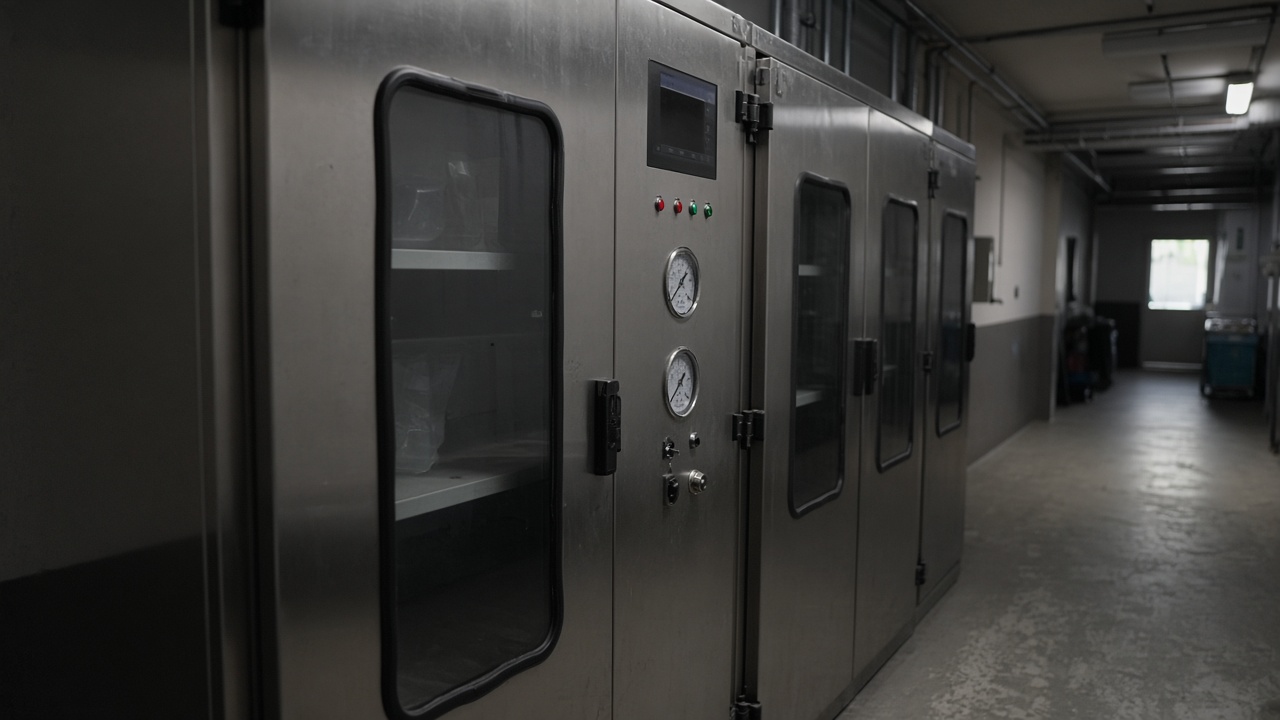
Attackers reprogrammed remote freezer controls at three regional sites of France’s Établissement français du sang in the early hours of Monday, 2 November, pushing setpoints on blood-storage chambers from roughly −30°C toward 110°C before on-call technicians cut the commands and moved plasma stocks to backup rooms, the agency and Health Ministry confirmed after Le Canard enchaîné reported the breach.
What the cold rooms held
The targeted units were managed through Coolworld Rentals, a Dutch refrigeration contractor whose remote-monitoring software supervises mobile cold rooms used across several EFS regions, including Bourgogne-Franche-Comté, Île-de-France, Hauts-de-France, Nouvelle-Aquitanie and Normandie. EFS said the chambers stored donor screening samples and frozen plasma bags earmarked for transfusions and for fractionation into medicines.
President Frédéric Pacoud told Franceinfo that continuous temperature alarms flagged the parameter change quickly enough that internal temperatures never reached the malicious setpoint. Staff transferred products out of the affected chambers and said collection and distribution continued without interruption. The ministry and EFS both stressed that no blood products were destroyed and that no patient impact had been identified.
Same playbook as supermarket freezers
The incident lands in the middle of a wider campaign against commercial refrigeration across Europe. Retailers reported similar remote-control tampering in October, and Franceinfo cited cybersecurity analysts who described the EFS attack as technically straightforward: internet-connected chillers that vendors can service from afar also expose a login surface for outsiders.
Coolworld said in a Wednesday statement that a limited number of its units were hit through a third-party monitoring component it does not directly operate, and that it isolated affected systems. Investigators have not publicly tied the blood-site intrusion to any hacktivist claim circulating online about engineering firm Danfoss, and researchers caution that supermarket outages and medical cold chains may share a vulnerability class rather than a single attributed crew.
What investigators are doing next
EFS said it disabled remote access on the compromised equipment, intensified manual checks on remaining freezers, and shifted inventory to alternate storage while Coolworld and national cyber authorities trace how the monitoring credentials were abused. Health Minister Geneviève Darrieussecq’s office said technical inquiries will document the full equipment count involved, the attack path, and timelines for returning the remote-monitoring service safely.
French officials framed the episode as a near miss rather than a supply crisis, but the breach tests a network created after the contaminated-blood scandals of the 1990s to keep every donation traceable from vein to bedside. Any future success against those chillers would hit a logistics chain with little slack during holiday demand or mass-casualty events, which is why Pacoud pledged tighter surveillance across all EFS sites while the criminal probe continues.
European hospital groups were already reviewing vendor remote-access policies after supermarket chains documented similar freezer tampering in October. EFS’s statement that only Coolworld-linked chambers were touched will not end the scrutiny, because plasma fractionation plants across the bloc rely on the same portable cold-room vendors during blood drives in rural departments.