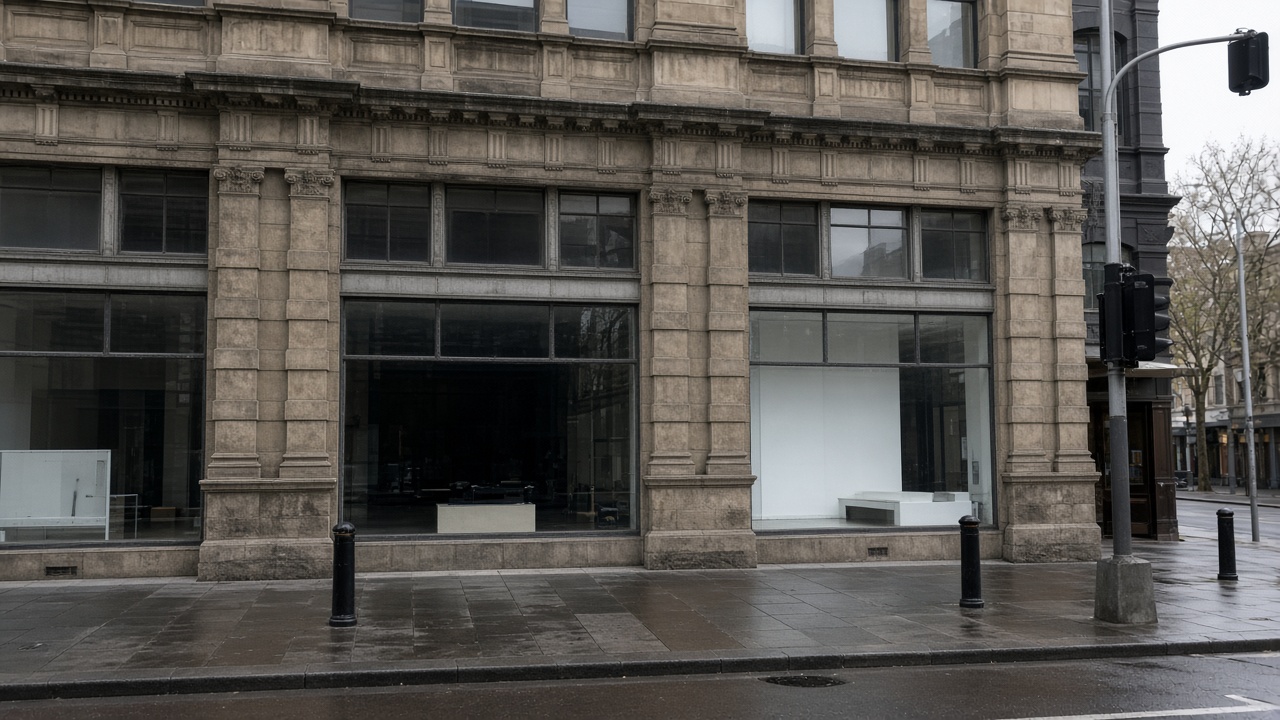
David Jones entered voluntary administration on Thursday after months of missed rent and a breakdown in negotiations with Scentre Group, the Westfield owner that controls many of the chain’s mall locations, sending the 188-year-old retailer into receivership for the first time in its history and putting roughly 4,000 jobs across 38 stores in limbo.
How the collapse unfolded
Chief executive Scott Fyfe told staff at the company’s Melbourne headquarters Thursday morning that the board had resolved to appoint McGrathNicol as voluntary administrators and FTI Consulting as receivers and managers, according to reports from ABC and SBS. Anchorage Capital Partners, which bought the chain for about $100 million in 2023 after Woolworths offloaded it, had been seeking concessions from landlords as trading weakened and online search interest fell well below pre-pandemic levels.
Scentre said David Jones had paid rent only through September and that it offered what it called a generous package to keep stores trading, an offer Anchorage rejected. Charter Hall, another major landlord, told the ASX it was assessing exposure after learning of the appointment Thursday morning. Hilco Capital, an asset-backed lender that had extended additional funding, said Anchorage and management explored every option before directors pulled the trigger.
What administrators will do
McGrathNicol partners Jason Preston, Shaun Fraser, Jacinta Neilsen and Matthew Hutton said in a statement that administration and receivership would give the group breathing space to pursue either a recapitalisation or a sale as a going concern, with a formal sale process opening immediately. They warned that restructuring would require painful choices for some creditors even as stores continue trading for now.
Analysts told ABC it was “not inconceivable” that David Jones could disappear entirely if no buyer emerges, given the brand’s shrinking relevance next to Myer and global fast-fashion tenants. Myer shares jumped more than 10 percent on the news as investors bet a rival’s exit could hand it traffic in shared centres, though Myer itself has closed stores in recent years and trades at a fraction of its peak valuation.
Stakes for suppliers and shoppers
Department store economics rely on consignment models where many floor staff work for individual labels rather than the host retailer, a structure that complicates payroll and stock claims when an administrator steps in. Fashion suppliers owed for autumn ranges now join unsecured creditors waiting to see which locations survive.
For shoppers, the collapse marks another blow to Australia’s mid-market retail spine after the pandemic accelerated shifts toward outlets and e-commerce. David Jones still anchors prestige cosmetics halls in Sydney and Melbourne, but administrators will likely rationalise the footprint unless a white knight buys the brand chiefly for its loyalty database and private-label contracts. Until then, gift-card holders and lay-by customers will be watching McGrathNicol’s first creditor meetings for clarity on whether the name that once paraded elephants through Newcastle survives the year.