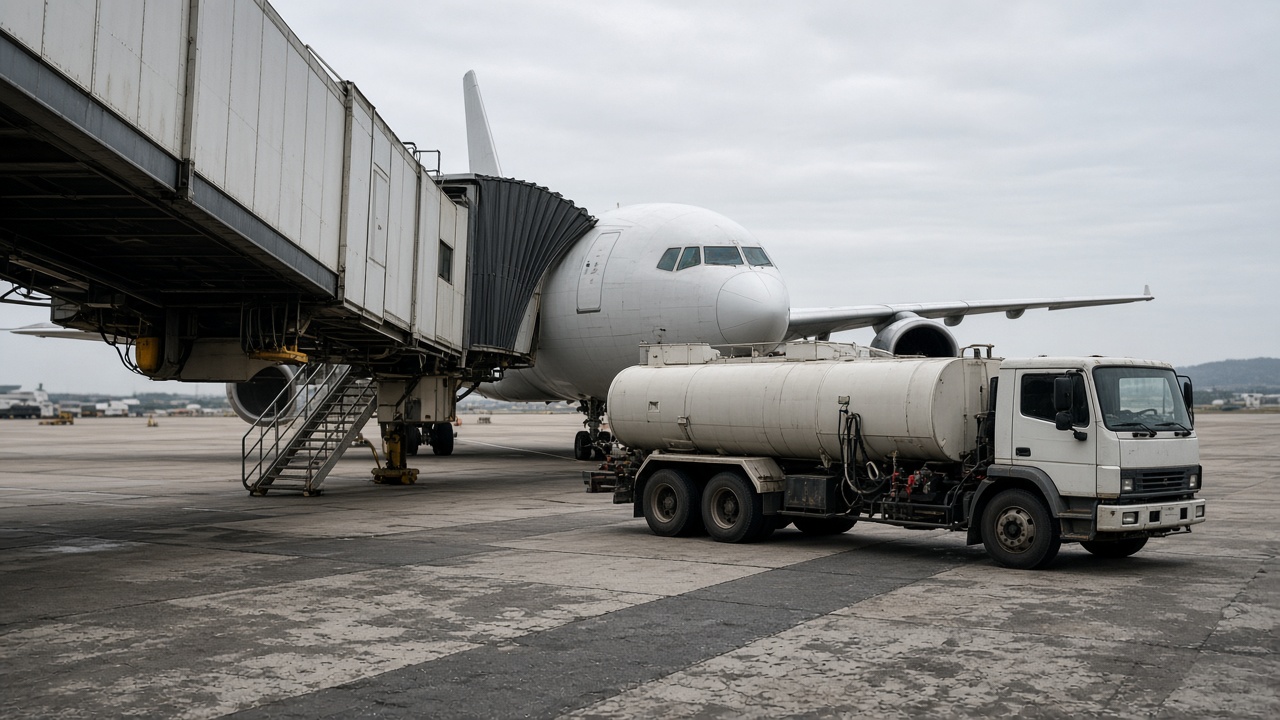
Brent crude futures fell below $100 a barrel for the first time in two months after the midterm results, trimming jet-fuel input costs just as U.S. airlines push Thanksgiving seat sales and TSA checkpoint traffic climbs back toward two-million-passenger days.
Reuters reported Thursday that Brent stabilized near $95 after an overnight plunge of nearly 9 percent, part of a roughly 20 percent weekly decline traders linked to hopes President Donald Trump will de-escalate the Iran conflict now that Democrats control Congress. AP tied the oil move to the same relief rally that lifted the Dow more than 3 percent Wednesday, even as tech names sold off.
What cheaper fuel means for fares
Carriers hedge fuel months forward, so passengers will not see ticket prices move one-for-one with Brent. Still, airlines set marginal holiday inventory using spot fuel forecasts, and sub-$100 crude reduces pressure to add last-minute surcharges on routes where competition is heavy—especially Dallas, Atlanta, and Chicago hubs feeding November 25 departures.
If you already bought tickets, watch for fare drops on your itinerary; Southwest and JetBlue policies allow travel credits when public fares fall below what you paid, while legacy carriers often match only if you booked refundable fares. Do not wait for oil to pass savings through if seats on your preferred Wednesday flight are down to middle locations.
TSA volume signals when to leave home
TSA’s public checkpoint feed showed 1.97 million travelers screened on Tuesday, November 3—election day—and roughly 2.53 million on Sunday, November 1, illustrating how leisure traffic is rebuilding before Thanksgiving. Historical TSA patterns put the Sunday after Thanksgiving, November 29, 2026, among the busiest travel days of the year, with Wednesday, November 25, close behind.
Thanksgiving Day itself historically sees the lightest checkpoint counts of the holiday week. Flying Thursday morning can beat Sunday redeye chaos even if it means an extra hotel night.
Booking moves for the next ten days
Compare nonstop versus one-stop fares after fuel relief; sometimes cheaper oil widens the gap as ultra-low-cost carriers add frequencies. Pack liquids in compliance with the 3-1-1 rule to avoid bin backups on crowded mornings, and enroll in TSA PreCheck or CLEAR only if you can finish approval before November 22—appointment backlogs remain in major metros.
Monitor airline apps for schedule tweaks tied to crew bases; election-week staffing stabilized, but winter weather en route to Minneapolis and Denver hubs can still cascade delays. Book rental cars with free cancellation where possible, because falling gas prices may not translate to cheaper airport garage rates until corporate contracts reset in January.
International trips still priced off Brent
Transatlantic fares include fuel surcharges that adjust quarterly; a sustained Brent slide helps winter Europe itineraries booked now for December departures. Caribbean routes tied to Atlanta and Charlotte hubs may see extra frequencies if jet fuel stays soft through the Department of Energy’s next weekly inventory report.
Ground transportation and hotels
Ride-hail surge pricing on the Wednesday before Thanksgiving often exceeds airfare volatility; consider commuter rail where Amtrak added cars on Northeast Corridor trains in prior holiday seasons. Hotel cancellation policies tightened in 2025 on many chains—book refundable rates until you confirm flight times, especially if you are connecting through Chicago or Denver where de-icing delays stack.
Real ID enforcement remains the baseline document check at TSA; verify your driver license star or carry a passport even for domestic legs, because checkpoint agents will not pause the line for a expired license renewal appointment.