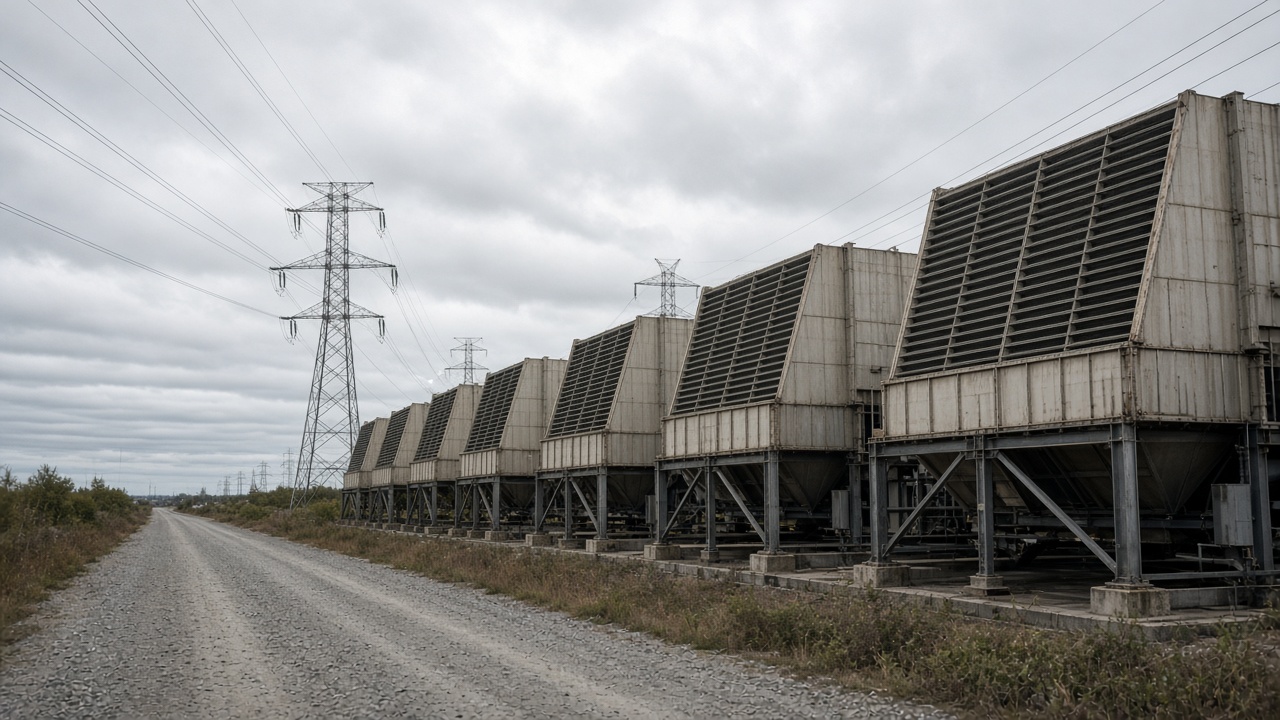
Democratic candidates who campaigned on pausing new hyperscale data-center construction won key races in Texas and Georgia this week, giving moratorium backers their first credible path to committee hearings when the party takes House and Senate majorities in January.
Reuters reported Wednesday that those state-level victories helped trigger a 3.1 percent drop in the Philadelphia semiconductor index, as investors weighed slower interconnection timelines and tougher environmental reviews. Euronews quoted State Street strategist Masahiko Loo saying Democratic control raises the political risk premium on U.S. AI capital spending even if President Donald Trump can still veto standalone bills.
What moratorium advocates want
Suburban constituencies that saw transformer upgrades and water-use fights on county agendas pushed candidates to cap megawatt-per-campus permits until grid operators publish cost-allocation studies. The midterm map shows those messages resonated in exurban districts tied to new transmission corridors, not just coastal tech hubs.
At the federal level, expect early-session bills requiring the Energy Department and Federal Energy Regulatory Commission to score how much retail ratepayers subsidize hyperscale load, plus demands for public comment periods before Army Corps wetlands permits move forward. None of that needs Republican buy-in to reach a hearing, though cloture on sweeping bans still faces a 60-vote Senate barrier unless Democrats package items in must-pass vehicles.
War politics intersect grid politics
Trump told supporters Wednesday that the Iran war hurt Republicans at the polls, and Vice President JD Vance posted that the conflict was “the reason we lost.” Democratic leaders can pair that admission with oversight requests on diesel generators running backup campuses and on fuel costs feeding consumer anger. Moratorium sponsors will cite both household power bills and wartime fuel spikes in the same press release.
Semafor’s election-night analysis noted prediction markets priced a Democratic Congress hours before broadcast networks called control, meaning lobbyists for cloud builders had already begun staffing transition meetings. Developers who counted on Texas and Georgia for 2027 delivery may face state-level executive orders even before Congress organizes.
What changes for neighbors and workers
Residents near proposed campuses should monitor county moratorium votes in December and January; construction crews should watch whether utilities delay interconnection agreements pending state hearings. Renters in Dallas and Atlanta suburbs may see political mailers referencing midterm winners’ pledges before any federal text is introduced.
For voters who do not live next to a campus, the wallet hook is still retail power: moratorium hearings will surface data on who pays for substation upgrades. Show up with utility bills in hand if you want those records entered into the record.
Timeline for the 119th Congress
Organizational votes and committee assignments typically finalize in early January, with moratorium sponsors already circulating draft text among caucus staff. State attorneys general who joined multistate letters on water permits may file amicus briefs even if federal bills stall, keeping projects in litigation limbo.
Cloud builders will argue that pauses threaten U.S. competitiveness against Chinese chip capacity, while moratorium backers will cite transformer lead times stretching past 36 months in ERCOT filings. Neither side needs a signed law to move markets—subpoenas alone can delay bond financing for substations.
What to watch locally
County commissions in Loudoun-style districts may extend temporary construction bans while waiting for federal action. Neighbors should sign up for hearing alerts on planning department sites rather than relying on social posts that omit meeting IDs.