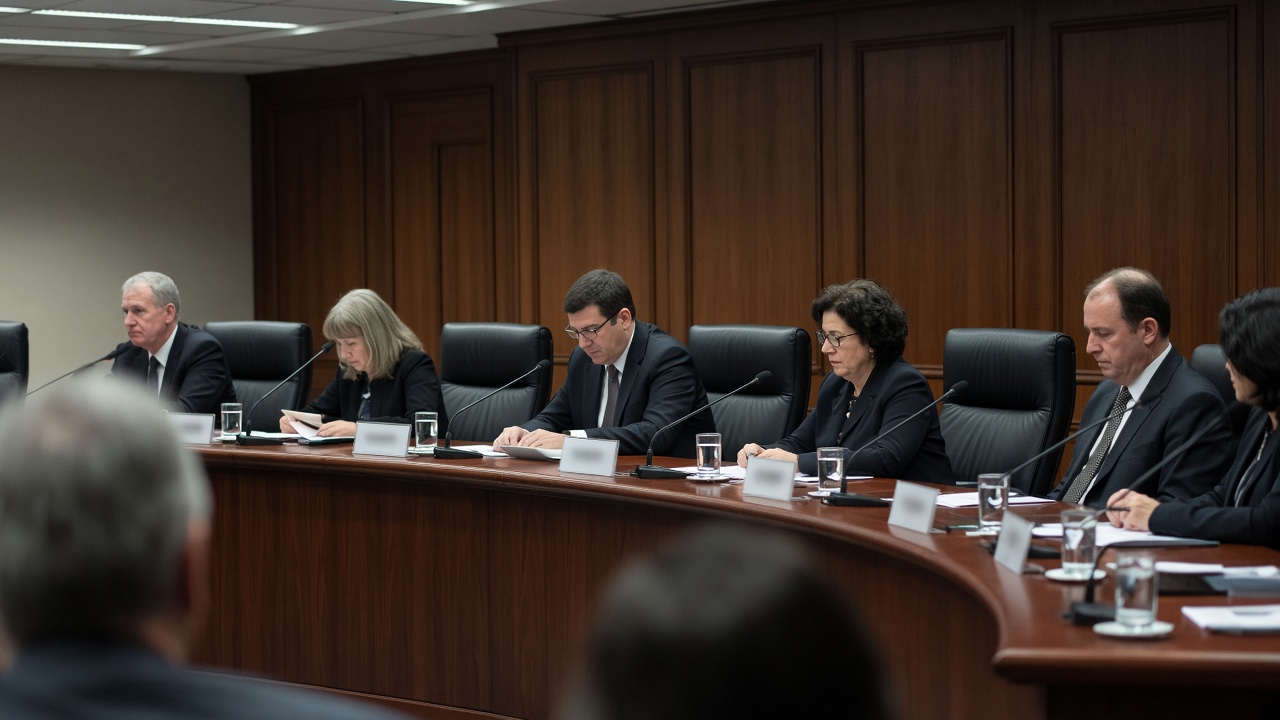
Legislators confirmed Hu Jung-feng as National Communications Commission vice chair Wednesday after a Yuan committee vote, filling a seat empty since spring as the regulator juggles broadcast licensing renewals and new AI-voice labeling enforcement.
Committee vote
The Transportation Committee approved Hu 8–5 along party lines after a hearing where opposition lawmakers questioned whether his prior Executive Yuan advisory work created conflicts on cable-TV rate disputes. Hu pledged recusal from cases involving vendors he consulted before appointment and submitted a 12-page ethics memo the secretariat published online.
Confirmation still requires a floor vote scheduled for Friday; procedural holds are unlikely given the caucus whip count announced Tuesday night. Hu would serve alongside Chairperson Chen, who term-limits in 2028 unless reappointed.
Policy inbox
Staff briefings list pending items: mid-band spectrum refarming for private 5G networks, fines tied to synthetic radio voices issued Wednesday, and overdue reviews of streaming-only channels applying for must-carry status on cable systems. Hu told members he prioritises transparent penalty guidelines so stations know when AI labels trigger sanctions.
Cross-strait satellite downlink licensing remains sensitive; Hu avoided committing to new approvals, citing national security consultations outside NCC's public docket. Industry lobbyists from telecom and broadcast associations attended the hearing but did not testify.
What changes for market
Investors treat NCC leadership shifts as signals for merger reviews and OTT regulation rather than daily stock moves. Still, a full bench reduces backlog on license appeals that delay tower builds suburban carriers need for fixed-wireless substitution. Hu's confirmation would let commissioners split oversight of content and infrastructure, potentially speeding equipment type approvals modem vendors await.
Opposition legislators warned they will monitor Friday's floor debate for commitments on Chinese platform bans; Hu repeated existing policy without expansion. For Taipei media watchers, the story is institutional: a regulator regaining quorum before a crowded enforcement calendar, not a single personality pivot.