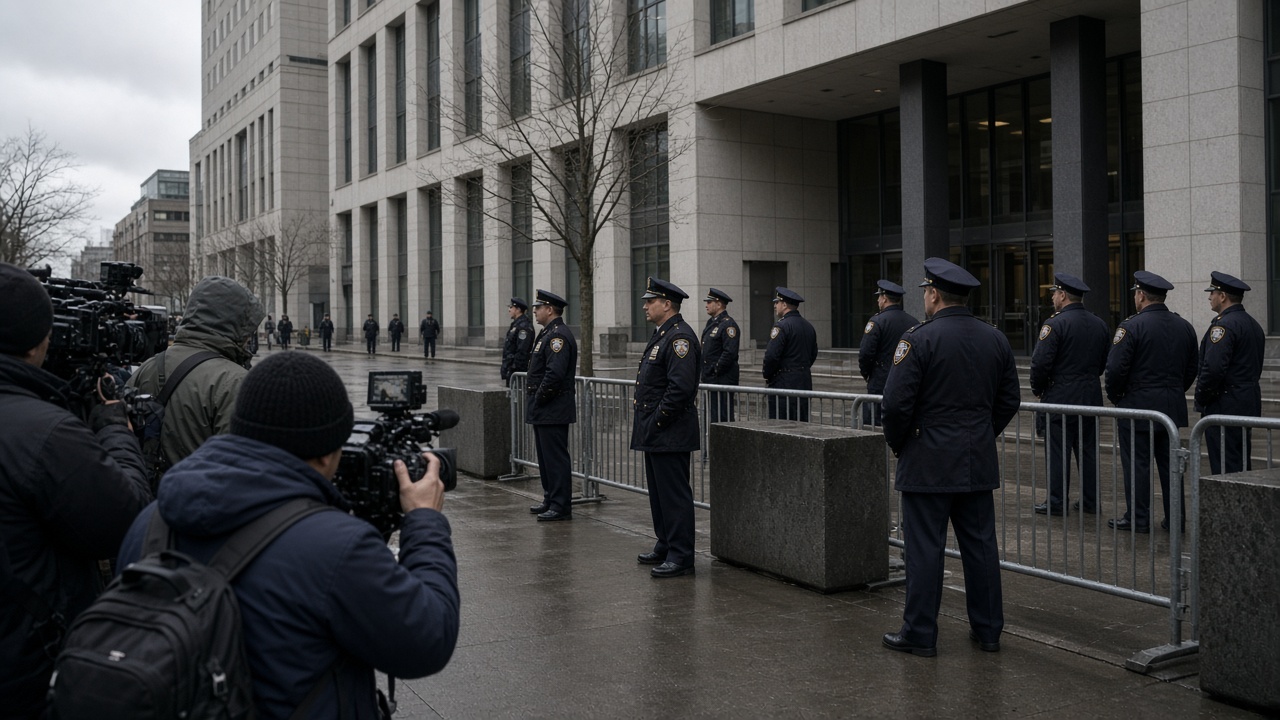
Hong Kong’s High Court sentenced activist Joshua Wong to 10 years in prison on Thursday for conspiring to collude with foreign forces, a national security offence that prosecutors tied to calls for sanctions and blockades against Beijing and the city’s government. Wong, 30, had been due for release in January on a separate subversion case; the new term means he is likely to remain behind bars into the mid-2030s.
How the court reached ten years
Judge William Tam of the Court of First Instance said the conspiracy was of a “grave nature” under the security law imposed in 2020. He set a starting point of 13 years, then reduced the term by three years for Wong’s guilty plea and mitigation, landing on 10 years—the minimum for a grave offence.
Two months and two days of the new sentence will run concurrently with the term Wong is already serving, the court said. Wong pleaded guilty in September after the case was built around coordination with overseas figures, including self-exiled activist Nathan Law, to lobby foreign governments for punitive measures.
What prosecutors argued
Authorities said Wong and affiliates persisted after the security law took effect, adapting roles so allies abroad made public calls for sanctions while Wong, still in Hong Kong, amplified them locally. Chief Executive John Lee told reporters Wong was among “primary culprits” who undermined stability through radical organisations and unlawful student mobilisation.
Police national security chief superintendent Steve Li, speaking outside the courthouse, said Wong should use his remaining time to “reflect” and “learn how to respect the law.” Rights groups and several foreign governments have described the prosecution as part of a broader suppression of dissent; the government insists the trial followed open procedures that demonstrate rule of law.
What happens next
Wong is only the second person in Hong Kong prosecuted twice under the national security law, after his earlier subversion conviction tied to an unofficial primary election. Legal observers expect appeals to focus on sentence length and the concurrent portion rather than the guilty plea itself.
Diplomats from the United States, Britain and the European Union issued routine statements calling for fair treatment of political cases; Beijing’s liaison office praised the outcome as proof that collusion with foreign powers would not be tolerated. For Hong Kong’s diminished opposition, the sentence closes a chapter that began when Wong, then a teenager, helped lead the 2014 Umbrella Movement protests.
Defence lawyers did not speak to reporters after the hearing. The Department of Justice said it would not comment beyond the government statement issued through the chief executive’s office, which framed the case as a warning to anyone who “colludes with external forces.”