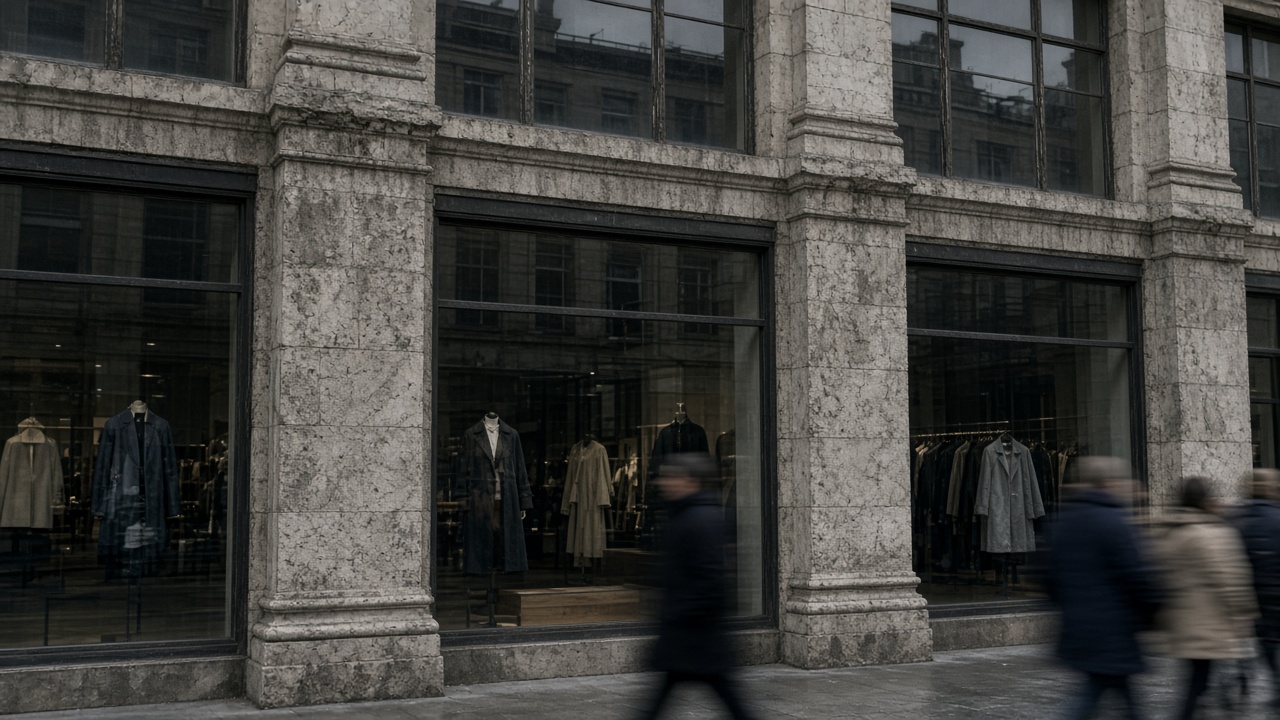
Marks & Spencer warned that its fashion division is recovering more slowly than food after April’s ransomware attack, as half-year adjusted pretax profit fell 55.4% to £184.1 million.
Operational scars
The Easter-weekend intrusion linked to the Scattered Spider ecosystem forced the retailer to suspend online clothing orders for more than six weeks and pause click-and-collect for nearly four. Store availability suffered and logistics waste rose while engineers rebuilt systems.
Chief executive Stuart Machin told reporters he expects trading to normalise by the financial year ending March, but online fashion sales remain 42.9% below the prior half-year level. Food sales grew 7.8%, cushioning headline revenue.
Financial toll
M&S booked £101.6 million of cyber costs in the six months to 27 September and expects another £34 million in the second half. Insurance recovered £100 million, below the £300 million operating profit hit the company feared in May.
Statutory pretax profit collapsed to £3.4 million from £391.9 million, reflecting one-offs and the sales hole. Analysts said the adjusted figure still beat pessimistic forecasts thanks to food momentum and cost control.
Customer data
The breach exposed personal details that may have included names, postal addresses and dates of birth. Machin said customer-facing systems restored over the summer and nearly all back-office platforms are now online.
The National Crime Agency continues investigating alongside NCSC guidance on social-engineering tradecraft that impersonates IT help desks. Harrods and the Co-operative Group faced related campaigns this year, raising questions about shared supplier vulnerabilities.
Competitive fallout
Rivals including Next captured online apparel share during the outage. AJ Bell analysts cautioned that some shoppers may not return quickly even as marketing resumes.
Security lessons
M&S brought more technology staff in-house after the attack and tightened vendor access controls. For the wider FTSE, the results quantify how a single help-desk compromise can erase a turnaround narrative that took three years to build.
Investors rewarded honesty with a modest share rise, betting Machin’s second-half guidance of profit at least in line with last year remains achievable if fashion web traffic keeps climbing.
Supply chain reset
Machin said warehouse automation projects paused during the outage are restarting, with RFID tagging rolled out to another three distribution centres before Christmas. The aim is to reduce manual picking errors that worsened when legacy systems failed.
Suppliers reported payment delays during the crisis; M&S said vendor balances are now current and early-pay discounts restored.