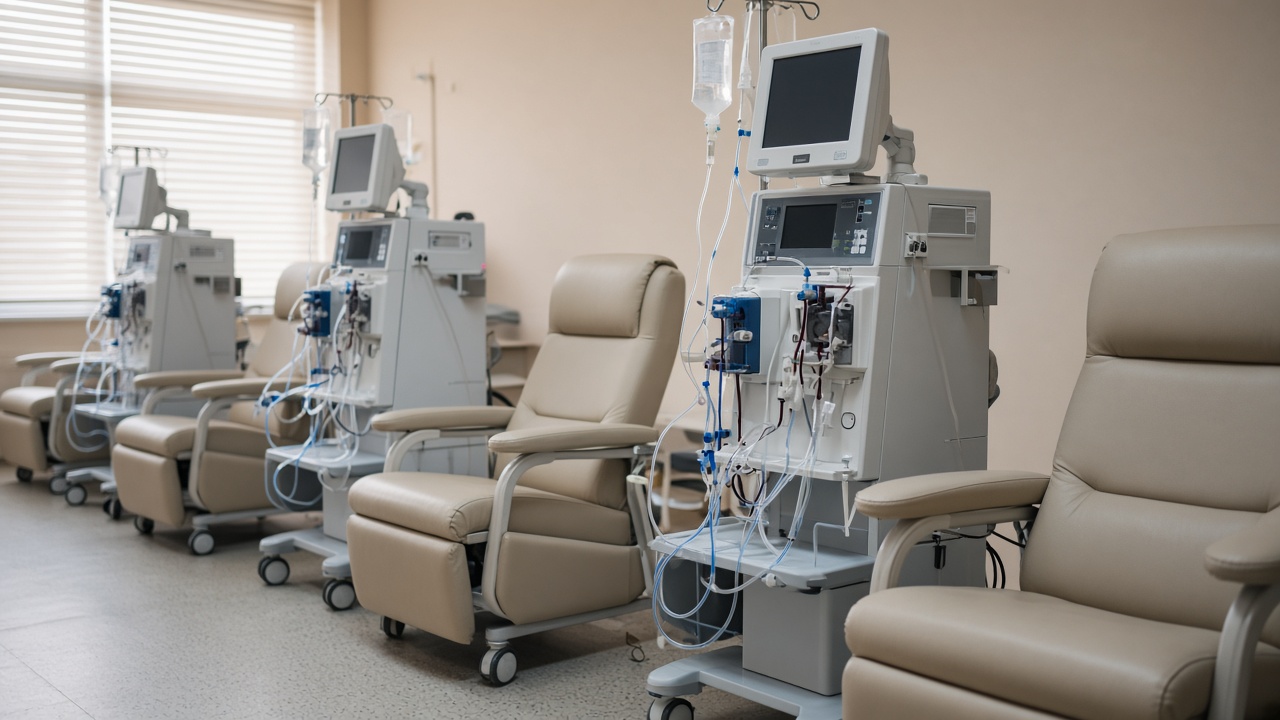
The National Health Insurance Administration lifted the per-session dialysis reimbursement cap after clinic associations documented rising power-surcharge costs tied to Taipower's industrial tariff tier, with November claims the first billing cycle at the new rate.
What clinics argued
Renal care groups submitted audited utility bills showing average monthly electricity up 18 percent year-on-year at freestanding dialysis centers, driven by reverse-osmosis pumps running 14-hour days and backup generators tested weekly after typhoon outages. NHIA's prior cap had not moved since 2023 despite CPI upticks administrators cited when rejecting an interim petition in May.
The approved adjustment adds NT$286 per session for hemodialysis and NT$192 for peritoneal bundles, partial relief clinic CFOs said still leaves them below break-even on night shifts but prevents closure of four rural units that warned legislators in September.
Patient impact
Copays for listed indications remain frozen under NHIA rules; patients should not see higher out-of-pocket fees unless they choose non-contract clinics. Waitlists in Yunlin and Taitung counties stretched past two weeks this summer when a unit shut RO membranes over unpaid bills—a scenario NHIA staff said the cap hike aims to avoid repeating.
Private insurers offering supplemental hospital cash plans may reprice riders next year if clinic margins stabilize; no filings yet on the Financial Supervisory Commission docket.
Budget trade-offs
NHIA actuaries estimate NT$640 million annual cost, offset partly by slower emergency-room admissions when patients maintain regular sessions. Lawmakers from both camps welcomed the move but asked whether home dialysis telemonitoring subsidies will follow in the spring global budget review.
Taipower said industrial tariff bands reflect fuel costs it cannot discount for healthcare; clinics countered that dialysis is an essential service deserving a social tariff study the Ministry of Economic Affairs promised in a letter but has not scheduled. For nephrologists, the headline is operational: November claims file at the new cap, and rural chairs stay open another quarter.