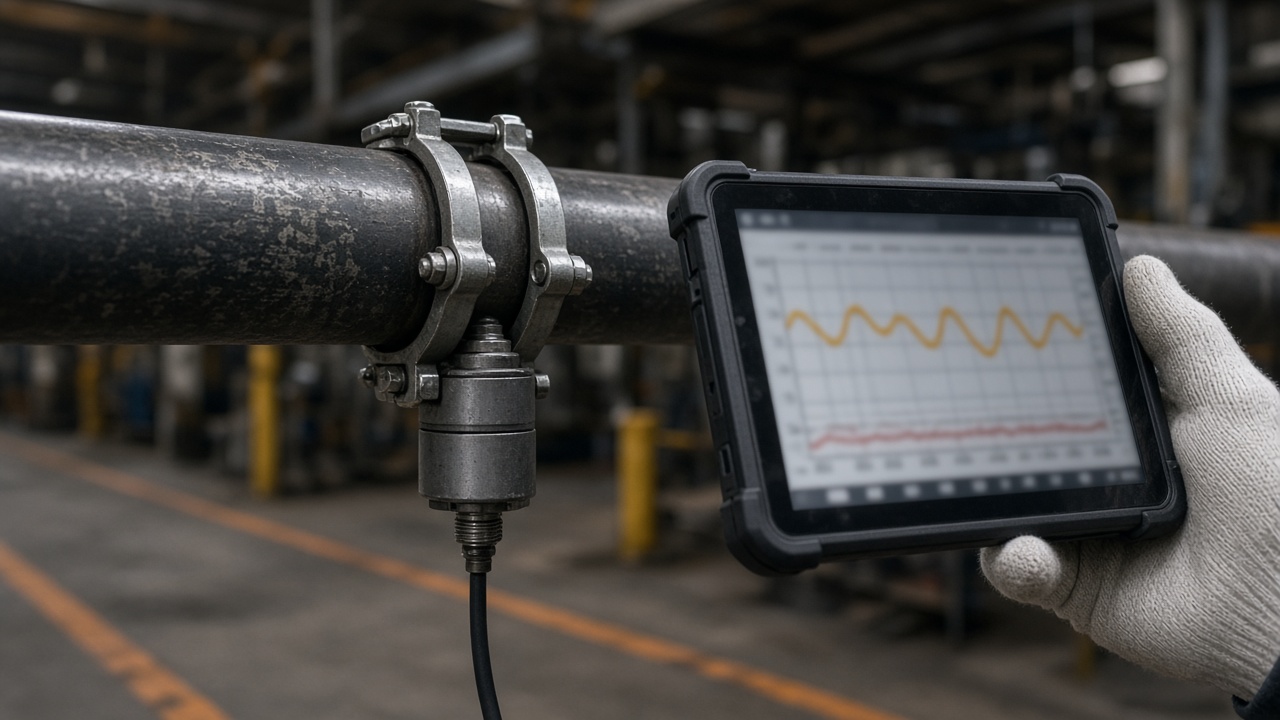
NTT Data Advanced Technologies began pilot deployments of its Edge AI Platform at two Osaka-area manufacturing sites this quarter, routing vibration and temperature telemetry to a managed edge node rather than installing GPU servers on plant floors, according to project managers who outlined the trials at an industry seminar in Osaka on Monday.
What the pilots test
The service, launched domestically in November 2024, bundles zero-touch provisioning, remote monitoring and model updates for sensors on rotating equipment. In the Kansai pilots, accelerometers on conveyor drives feed a lightweight anomaly-detection model that flags bearing wear before audible noise appears. Plant engineers receive alerts on existing maintenance tablets; no new capital budget line for on-premise AI hardware was required.
Why Osaka now
Kansai chemical and machinery suppliers face the same skilled-maintenance shortage that pushed Mitsubishi Chemical and NTT partners to test IOWN links in Okayama earlier this year. Smaller plants cannot replicate 700-kilometer photonic trials, but they still need sub-second inference on vibration spikes. Edge AI Platform’s subscription model lets them pay monthly for device management instead of buying idle GPU capacity.
Limits
The pilots exclude robotic arms controlled from distant data centers—a use case NTT groups demonstrated with IOWN between Okayama and Tokyo. Osaka sites keep inference local and send only metadata upstream for enterprise resource planning logs. NTT Data Advanced Technologies declined to name customers, citing non-disclosure agreements typical for maintenance analytics.
Rollout path
If vibration accuracy beats threshold over a 90-day window, the vendor will offer the node as a standard SKU in its Kansai systems-integration catalog next spring. Competing cloud vendors pitch similar edge kits; NTT’s pitch rests on integration with existing factory-network contracts and domestic support desks rather than raw model performance.
Security and data residency
Pilot contracts keep vibration spectra inside Japan by routing inference through domestic edge appliances before anonymized summaries sync to enterprise clouds. NTT Data Advanced Technologies said customers can opt out of cloud sync entirely, a selling point for chemical producers bound by process-secrecy rules.
Competing hyperscale vendors pitch similar kits, but maintenance chiefs at the seminar said on-site Japanese support windows matter when lines run overnight. If the 90-day pilot succeeds, pricing will publish as a monthly per-sensor fee rather than a capital lease.
Osaka prefecture’s manufacturing promotion bureau listed predictive maintenance as a priority subsidy area in its autumn industrial policy memo, which may offset part of sensor hardware for small and midsize enterprises joining the NTT Data pilots.
Reader checklist
Track official filings rather than social clips. Ministry and league PDFs remain the authoritative record when timelines slip. Save receipts, ballot numbers and clinic vouchers until deadlines pass. If a vendor changes terms mid-season, ask for written confirmation before you spend against a promotion or subsidy.
Local desks will update figures when agencies publish revisions; morning numbers can move once Tokyo markets finish absorbing overnight foreign news.