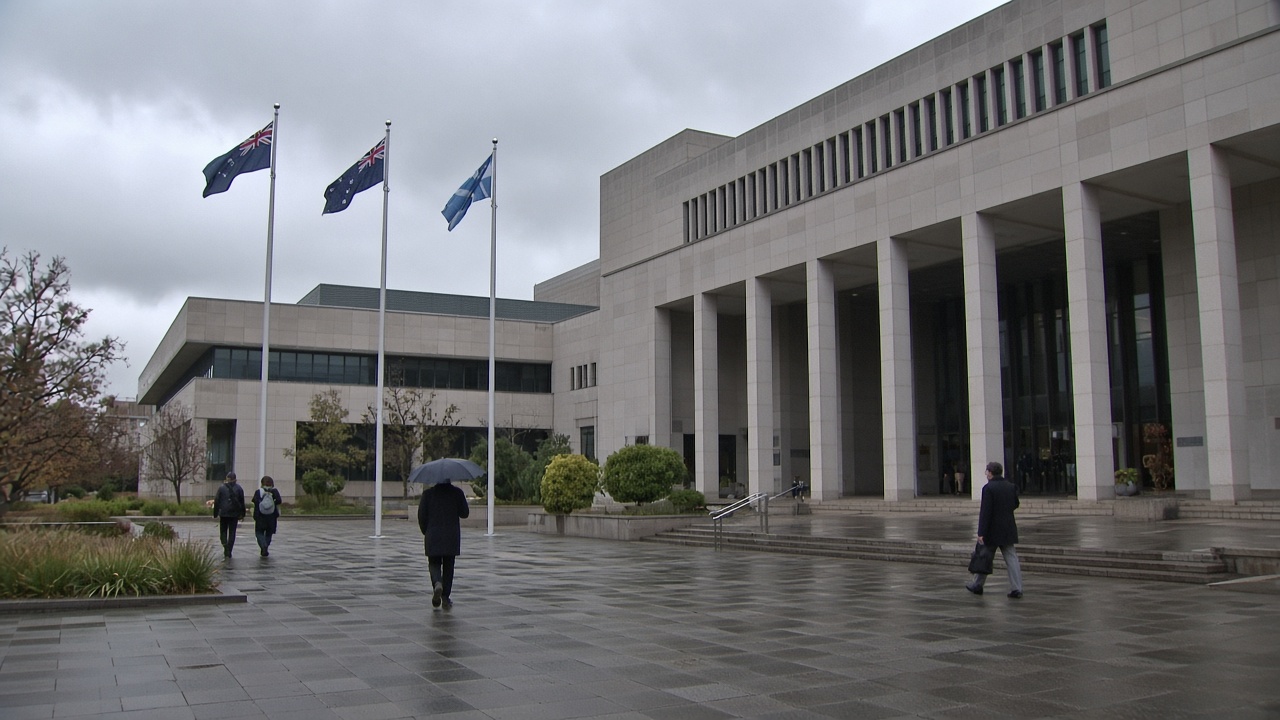
Australia’s High Court will hear Pauline Hanson’s appeal against a finding that she racially vilified Greens senator Mehreen Faruqi, granting special leave on Thursday and opening what both sides say is a landmark fight over hate speech law and parliamentary debate.
How a 2022 post became a federal court loss
The case stems from posts on X, then Twitter, after Queen Elizabeth II died in September 2022. Faruqi wrote that she could not mourn the leader of a “racist empire built on stolen lives, land and wealth of colonised peoples.” Hanson replied that Faruqi’s attitude “appals and disgusts me” and told her to “pack your bags and piss off back to Pakistan.”
Faruqi, Australia’s first Muslim senator, was born in Pakistan and migrated in 1992. She sued under section 18C of the Racial Discrimination Act, which makes it unlawful to act in public in a way that offends, insults, humiliates or intimidates someone because of race, colour, or national or ethnic origin. Federal Court Justice Angus Stewart found in November 2024 that Hanson’s words were “seriously humiliating” and ordered the tweet deleted.
The full Federal Court unanimously dismissed Hanson’s appeal in July 2026, rejecting all seven grounds she raised. Hanson was ordered in August to pay Faruqi’s legal costs. Both politicians have used crowdfunding to finance the litigation.
What Hanson will argue at the High Court
Hanson applied for special leave in August. Her submissions contend the Commonwealth lacked power to make the relevant parts of the Racial Discrimination Act and that the provisions infringe the implied freedom of political communication—especially when the dispute is between sitting senators on a matter of public controversy.
She told supporters the case was “bigger than one tweet” and that Australians should be able to disagree without fear of being labelled racist and sued. Faruqi responded with a short statement: “bring it on,” adding that people targeted by racism would not back down now that the nation’s highest court would decide whether protections hold.
The Attorney-General joins Faruqi as respondent, defending the statute. A hearing date has not been set. If Hanson loses at the High Court, the 2024 orders—including deletion of the post—stand as the final word on this exchange.
Why Canberra is watching the docket
Section 18C has survived political campaigns to repeal or narrow it, but it has rarely been tested at the High Court in a dispute between federal parliamentarians. Hanson’s team argues prior High Court splits over whether preventing seriously offensive speech is a legitimate purpose of racial-hate laws makes her appeal a matter of public importance.
For the government, the case sits alongside broader arguments about online abuse and the civility of debate in a multicultural electorate. For One Nation, a win would embolden claims that anti-vilification law chills legitimate criticism of migration policy and colonial history. For Faruqi’s supporters, defeat would signal that racial humiliation in public forums remains actionable even when wrapped in political rhetoric.
Until the court sits, the posts remain a fixed record in the judgments below—and a reminder that parliamentary privilege does not extend to every statement a senator publishes on a social platform.