Polish authorities charged six people on Thursday with running a cross-border scheme to supply ammunition components to Russia, saying four members of the group also acted for Russian intelligence—a combination Warsaw casts as both sanctions evasion and espionage on NATO’s eastern flank.
What investigators say the network moved
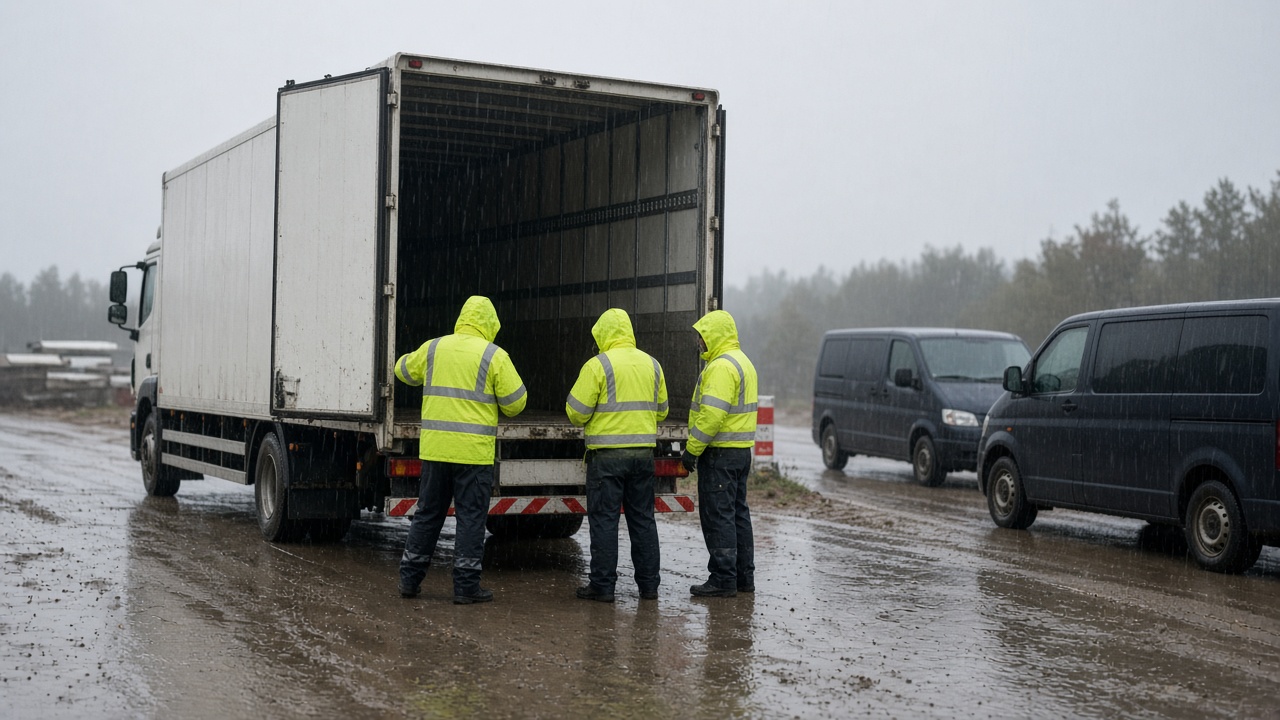
The Internal Security Agency (ABW) said officers detained the six between 21 October and 2 November after searching 21 sites in Warmia-Masuria, Pomerania and Greater Poland. Prosecutors allege the group operated from June 2023 through December 2025 across Poland, Lithuania and Russia, ordering goods online, collecting them, and driving them toward Kaliningrad in vehicles fitted with hidden compartments.
Some convoys crossed the Polish-Russian border repeatedly; Polish border guards intercepted part of the traffic. The National Prosecutor’s Office said the illegal exports included shell casings and projectiles—dual-use items that can feed ammunition production. The goods’ purchased value exceeded two million złoty, roughly €455,000, according to Thursday’s charging documents.
Defence minister and security services coordinator Tomasz Siemoniak told reporters Russia faces a strict embargo in this area and that the operation was designed to circumvent it. All six face organised-crime charges tied to exporting weapon elements without required permits; four additionally face espionage counts for acting for Russian intelligence against Poland.
Who is in custody and what happens next
Among the detainees are five Polish citizens aged 25 to 52 and a 37-year-old Russian woman, Siemoniak said on X. A district court in Białystok ordered three months of pretrial detention for the four espionage suspects; the other two received non-custodial measures. ABW described the inquiry as ongoing, with further searches and financial tracing still possible.
Russia did not immediately comment on the charges. Moscow routinely denies Western espionage allegations. Poland, one of Ukraine’s largest military backers, has previously uncovered networks accused of plotting sabotage and influence operations; Thursday’s case adds a supply-chain dimension at a moment when European capitals are tightening export enforcement against Russia’s defence industry.
Why London and Kyiv are reading the docket
For the UK, the arrests underline how sanctions on military goods depend on border agencies and allied police work far from Whitehall. Kaliningrad’s position between Poland and Lithuania makes it a frequent transit point for smuggling routes that NATO members monitor alongside Baltic allies. Any sustained flow of ammunition components would indirectly bolster Russian firepower against Ukraine, where Polish-supplied kit is already on the front line.
British officials have no direct role in this prosecution, but UK export-control teams coordinate with EU partners on dual-use listings similar to those cited in Warsaw. A successful Polish case could feed intelligence into wider efforts to map procurement cells that buy civilian-market parts and reassemble them inside Russia’s defence sector.
Trials are months away, and the full scale of the network—whether buyers sat inside Russia’s military or intermediary brokers—remains unproven in open court. What is already public is the allegation: six people treated export law as optional while four of them, prosecutors say, took direction from an adversary intelligence service.