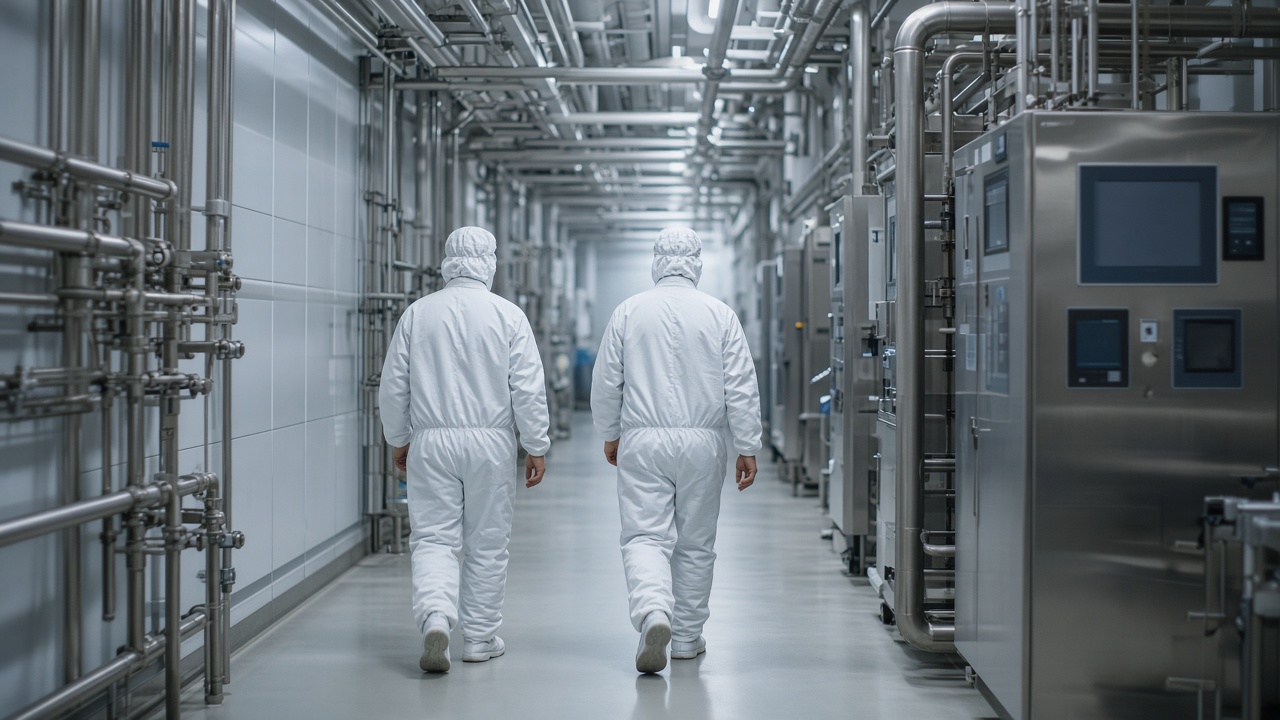
Samsung Biologics is installing wireless cold-chain sensors on GLP-1 fill-finish lines at its Songdo campus, aiming to catch temperature drift before vials ship to U.S. partners expecting stricter continuity logs under updated drug safety guidelines.
The company said Wednesday that the sensors relay data every 30 seconds to a central monitoring room, replacing manual clipboard checks on secondary refrigerators used during peak demand weeks. Songdo already hosts large-scale antibody production; GLP-1 work expanded this year as global obesity drug demand outstripped European fill capacity.
Regulatory backdrop
Korea’s Ministry of Food and Drug Safety tightened good manufacturing practice audits on peptide drugs in September after U.S. Food and Drug Administration inspectors flagged travel-time gaps at unrelated plants in other countries. Samsung Biologics said its upgrade is voluntary but aligns with MFDS requests for digital logs on high-volume lines.
Plant managers said the sensors will tie into existing manufacturing execution systems so supervisors can halt a line if a secondary unit rises half a degree Celsius above spec for more than ten minutes. That threshold matches internal limits Samsung Biologics uses on mRNA vaccine lines installed during the pandemic.
Commercial stakes
Contract manufacturing margins on GLP-1 products are thin but volume-heavy. Any batch rejection over cold-chain gaps would cost tens of millions of dollars in lost revenue and reputational damage with U.S. pharma clients. Industry analysts at Hanwha Investment and Securities said Samsung Biologics’ order book remains solid, but investors are watching capital spending on peripheral equipment as the Kospi selloff pressures multiples.
Local impact
Songdo employers expect to hire fewer additional night-shift technicians because automated alerts reduce walk-around checks. Incheon city officials said biologics exports remain a bright spot in regional trade data even as semiconductor exports face volatile foreign flows.
Samsung Biologics shares fell with the market Wednesday, but company officials said production schedules are unchanged and no batches have been rejected under the pilot sensors running since October.
Engineering vendors said the wireless nodes use battery packs rated for five-year swaps, minimizing downtime on lines that run 24 hours during U.S. approval cycles. Samsung Biologics plans to publish validation summaries for regulators during a Songdo open house next month.
Local suppliers of stainless tubing reported follow-on orders for sensor mounts, a small but steady revenue line as biologics capex outpaces display-panel equipment spending in Incheon.