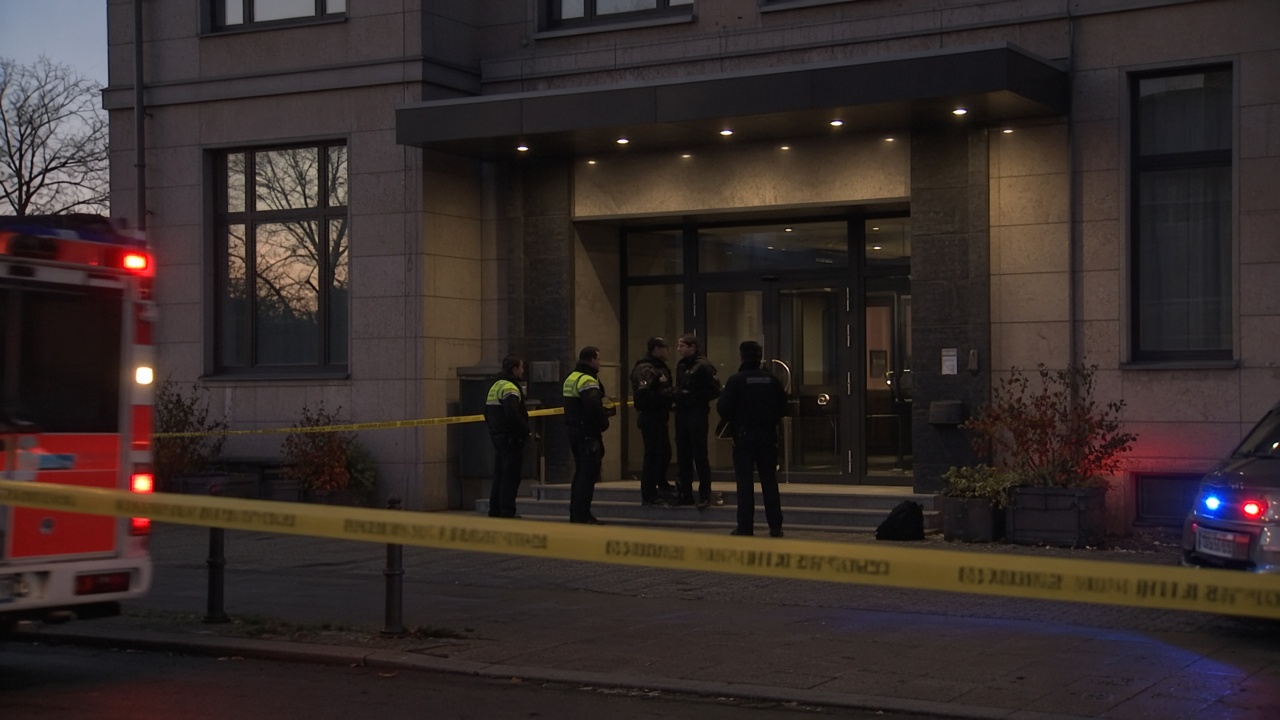
Hubert Aiwanger, the chairman of Germany’s Free Voters and Bavaria’s economy minister, was found dead in his hotel room in central Berlin on Wednesday evening, authorities said, sending shock through a conservative movement that has become a fixture of southern German politics and a growing force in national polls.
Police and Berlin prosecutors said the 55-year-old was discovered at the Neuer Fritz hotel near Friedrichstrasse after he failed to appear at the opening of a Free Voters office in the capital. He had canceled a scheduled speech earlier in the day, citing health problems, German news agencies reported.
What investigators have said
Berlin’s public prosecutor opened a standard death-inquest procedure, with the city’s sixth major-crimes unit involved because of Aiwanger’s public profile, not because evidence pointed to outside involvement. In an initial joint statement with police on Wednesday, prosecutors said the aim was to establish the cause and circumstances of death and to rule out third-party involvement.
By Thursday morning, prosecutors told reporters that a preliminary autopsy had found no signs of foul play. A spokesman for the Berlin attorney general’s office said the examination “gave indications that this is ultimately a natural death,” while further forensic tests were still pending. Bavarian state police confirmed that Aiwanger had been accompanied in Berlin by officers from the Bavarian state criminal office as part of routine security for senior officials.
Aiwanger’s role in Bavaria and beyond
Aiwanger led the Free Voters, a right-leaning populist party that has governed Bavaria in coalition with the Christian Social Union while positioning itself as a voice for rural voters and small business. As deputy premier and economy minister, he was one of the most visible figures in Munich’s state government and had sought to expand the party’s reach into other German states.
His death removes a distinctive figure from a crowded German party system at a moment when migration, energy costs and relations with the European Union dominate debate. Party colleagues in Munich and Berlin had no immediate comment on succession beyond expressions of grief; Bavarian Premier Markus Söder was expected to address the loss publicly after consulting coalition partners.
What happens next
Prosecutors said they would not release details of who discovered the body while inquiries continued. Free Voters officials canceled remaining Berlin programing. Bavaria’s state parliament is not in session this week, but party and CSU leaders will face pressure to clarify who will carry Aiwanger’s ministerial portfolio on an interim basis and whether the Free Voters will name a new chair before regional elections scheduled for next year.
The German federal government had not issued a statement at the time of publication. European Commission officials also had no immediate comment. Funeral arrangements were expected to be announced by Aiwanger’s family through the party once prosecutors complete outstanding laboratory work.