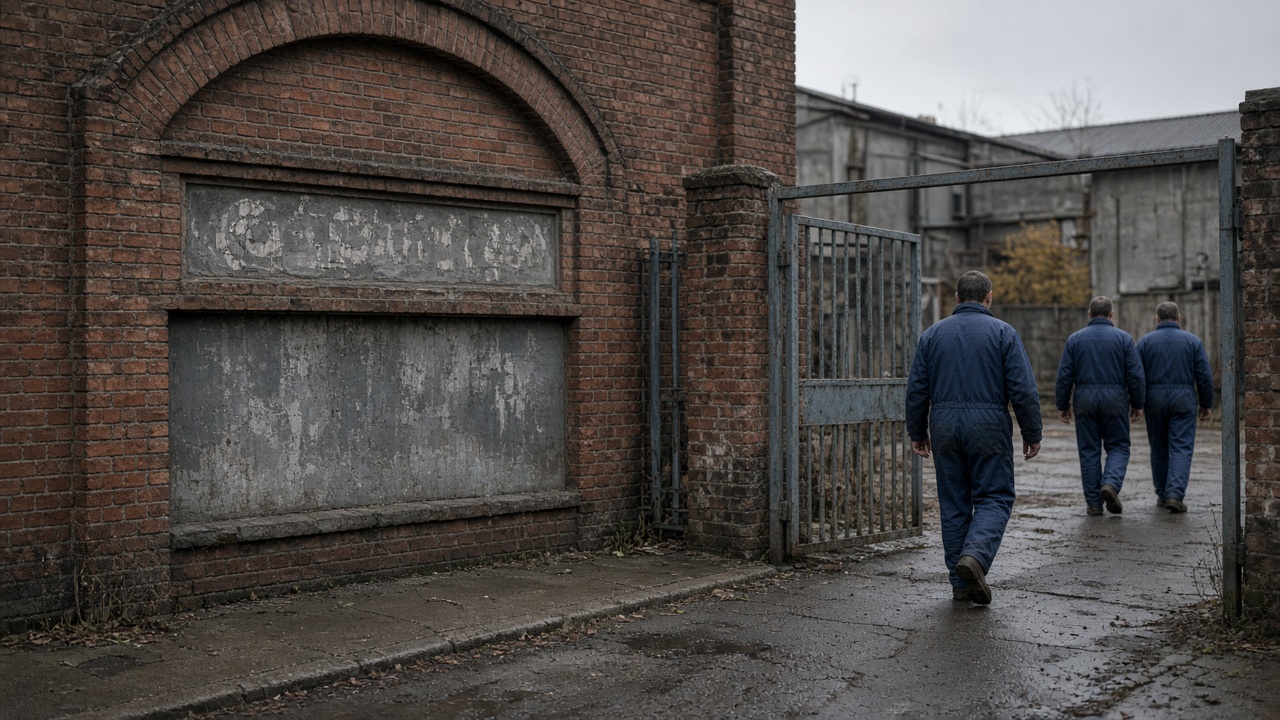
Russian President Vladimir Putin signed a decree on Thursday placing the domestic operations of Japan Tobacco International under temporary state management, transferring four factories, about four thousand workers and an estimated forty percent of the country’s cigarette sales to a government-linked holding company.
What the decree covers
The order targets AO Promyshlennye aktivy, a state-linked vehicle that has absorbed other Western consumer businesses since Moscow expanded “external management” rules for firms from countries it labels unfriendly. JTI’s Russian network includes plants in St Petersburg, Rostov-on-Don and two other regions, producing Winston, Camel, LD and domestic labels such as Pyotr I and Donskoi Tabak.
Geneva-based JTI entered Russia in 1999 and deepened its footprint with the 2018 purchase of Donskoi Tabak. The group says it has invested $4.6 billion in the country over more than two decades. After the full-scale invasion of Ukraine in 2022, JTI stayed in the market but halted new capital spending and marketing, leaving profits largely trapped inside Russia by dividend caps and steep exit fees.
How external management works
Under the mechanism, administrators appointed by Moscow run day-to-day operations without the foreign owner’s consent and, according to Western lawyers who track the cases, typically without compensation. Putin has framed the tool as a response to sanctions and as a counterweight if Russian assets abroad face seizure, while leaving open the possibility of returning control if relations improve.
JTI joins Nestlé, Auchan, Leroy Merlin and Metro on the list of European and Japanese brands whose Russian subsidiaries have been placed under the same regime. Each case followed years in which parent companies could neither repatriate earnings nor sell local units on acceptable terms.
Tokyo ties and what comes next
The seizure lands amid fresh friction between Moscow and Tokyo. Russia arrested Yuki Imai, a Hokkaido Shimbun reporter, on espionage charges last month, and the Foreign Ministry in Moscow has accused Japan of using journalists for intelligence work, a claim Tokyo rejects. Japan has joined portions of the Western sanctions package while maintaining its dispute with Russia over the Kuril Islands.
JTI said in a brief statement that it is reviewing the decree and coordinating with advisers. Industry analysts said cigarette production is unlikely to halt immediately because the plants supply a large share of domestic demand, but trademark control and export decisions will now sit with Russian administrators. Western shareholders, already unable to collect dividends, face further uncertainty about whether any sale proceeds would reach them.
European Union officials have not yet announced new counter-measures tied to the JTI order, though trade diplomats said the case will be raised in ongoing discussions about Russian asset seizures and frozen central-bank reserves. For now, the practical effect is another major consumer brand operating inside Russia under Kremlin oversight rather than boardroom control.