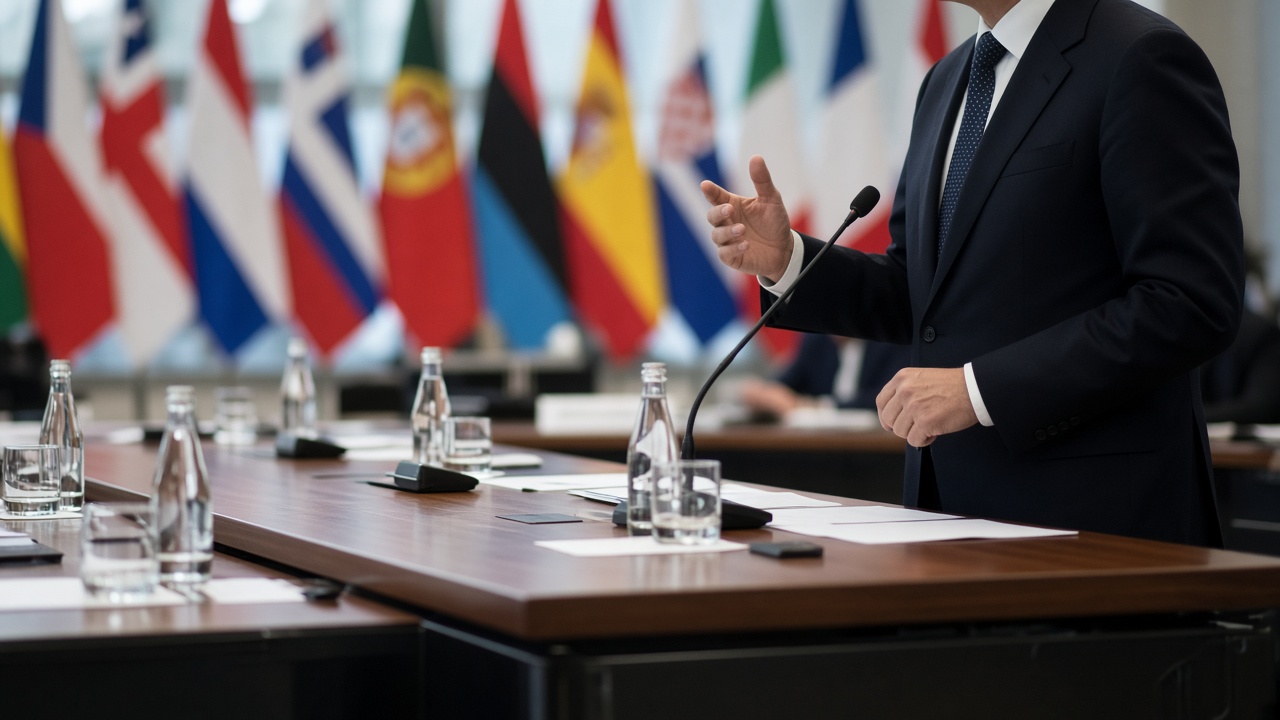
Volodymyr Zelensky used the Ibero-American Summit in Madrid on Wednesday to turn Ukraine’s blackout season into a procurement pitch for leaders who rarely sit in the same room as Kyiv’s war cabinet. Speaking to Spanish, Portuguese and Latin American heads of government, he asked for transformers, high-voltage cables, mobile generators and control gear that can be plugged into a grid still wired for equipment Moscow once supplied.
What Kyiv wants on the truck
Euronews reported that Zelensky named Brazil, Mexico, Argentina and Colombia as potential sources of transformers, Chile for power cables and Spain for electrical equipment and generators. He stressed that donations must match Ukraine’s voltage standards and urged capitals to open direct lines to manufacturers rather than routing everything through ad hoc charity channels that have slowed deliveries in past winters.
The appeal lands as Russian missile and drone campaigns continue to target substations and thermal plants, forcing rolling outages even in cities far from the front. Ukrainian officials have spent months warning that spare parts—not just cash—determine whether hospitals and water pumps stay online when temperatures drop.
Madrid meetings beyond the plenary
Television footage from the summit showed Zelensky seated with United Nations Secretary-General António Guterres and in a working session alongside Spanish Prime Minister Pedro Sánchez, Honduran President Nasry Asfura and other Ibero-American leaders. The choreography underscored Madrid’s effort to keep Latin America engaged in European security conversations that often stop at the Atlantic shoreline.
Earlier in the day Zelensky traveled to the Zarzuela Palace for an audience with King Felipe VI, accompanied by Spanish Defence Minister Margarita Robles. The royal meeting carried symbolic weight for a guest who has leaned on monarchies and elected leaders alike to keep ammunition and air-defence shipments moving while Washington and Brussels debate longer-range weapons.
Why Latin America matters to grid repair
European Union members have already pledged billions for Ukraine’s energy sector, but Zelensky’s Madrid speech reflected a recognition that compatible hardware is scattered globally. Latin American utilities operate large transformer fleets, and several countries still maintain industrial ties to Soviet-designed gear that mirrors Ukraine’s network.
By framing the request as an engineering problem with a diplomatic deadline, Zelensky gave Ibero-American leaders a concrete deliverable that does not require them to join NATO or send troops. Spanish officials, hosting a summit meant to showcase post-pandemic recovery ties, can point to generator contracts and factory calls as proof that the gathering produced more than communiqués.
What happens next
Ukrainian energy planners will now wait to see which capitals follow up with export licences and shipping schedules before the next wave of strikes. Zelensky told the room that restoring the grid requires “rapid access to specialised equipment,” a line that doubles as pressure on bureaucracies that have blocked dual-use shipments in previous rounds.
If even a handful of Latin American factories commit to production slots this month, Kyiv could shorten repair timelines for substations that currently sit dark for weeks waiting on European backlogs. Failure to convert the Madrid speech into purchase orders, by contrast, would leave Ukraine facing another winter where diplomacy outruns the trucks on the road.