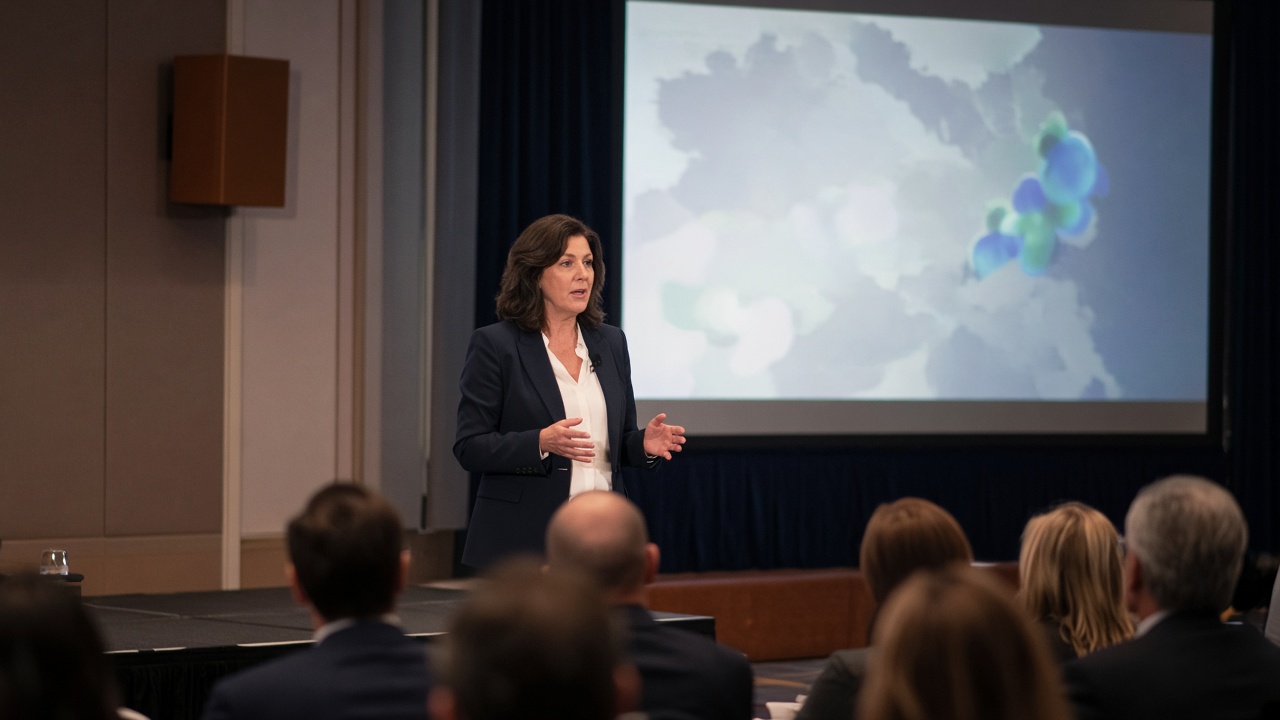
Woodside Energy Group used its 2026 Capital Markets Day in Sydney to promise sharper returns — and to tell staff that more than 500 jobs will disappear over time. Chief executive Liz Westcott, who took the permanent role in March, said the Perth-based LNG exporter is raising its cost-out target to US$400 million in annual structural savings from 2028, up from an earlier US$350 million goal, and that workforce reductions are already part of the math.
"We expect the program to deliver a reduction in our global workforce by more than 500 positions over time," Westcott told investors and analysts, according to an ASX transcript released Thursday. "These targeted savings can be achieved without compromising safe and reliable operations, regulatory compliance or our social licence to operate."
How the savings split
Woodside's presentation breaks the US$400 million target into three buckets: roughly US$100 million from portfolio optimisation, US$130 million from streamlined internal processes and US$170 million from lower external spend. Recent divestments — including stakes in Calypso, Sunrise and the Bonaparte carbon capture project — are meant to concentrate capital on Scarborough, Trion and other LNG hubs rather than spread teams across marginal assets.
Westcott also highlighted digital tools, saying AI-enabled maintenance planning and supply-chain reviews would cut duplication across offices in Perth, Melbourne, Houston, London and Singapore. The company employs about 5,500 people worldwide; a cut of 500 equates to roughly one role in ten, though Woodside has not published a country-by-country breakdown.
Western Australia bears the weight
That uncertainty lands hardest in WA. ABC News reported that about 80 per cent of Woodside's workforce is based in Australia, mostly in Perth and Pilbara towns tied to the North West Shelf and the nearly complete Scarborough development. Westcott told the room Scarborough is 99 per cent complete and weeks from its first LNG cargo — a milestone investors cheered even as unions braced for head-office notices.
WA Treasurer Rita Saffioti said she was "very disappointed" by the layoff plan while reiterating support for the gas sector, ABC reported. Resources analyst Peter Strachan told the broadcaster that high oil prices linked to the Iran conflict mean Woodside still has "money falling into its coffers," framing the cuts as Westcott "stamping her authority" on shareholder returns rather than responding to collapse.
Investor story versus shop-floor reality
Thursday's event also refreshed Woodside's capital framework: management is targeting portfolio return on average capital employed of 12 to 15 per cent by the mid-2030s and outlined a shareholder distribution policy tweak after a decade-long formula. Chief financial officer Graham Tiver walked through disciplined capex gates, while commercial chief Mark Abbotsford emphasised long-term LNG demand in Asia.
For employees, the juxtaposition is stark. The same presentation that celebrated Scarborough's first shipment and an extended North West Shelf life to 2070 also confirmed that sustaining capital, operating expenditure and general administration would all shrink. Woodside shares finished higher on the ASX after the briefing, suggesting investors rewarded the harder line even as political leaders in Perth demanded clarity on which offices face the axe.
Woodside said it will host a follow-up Capital Markets Day in New York on 12 November for US investors. Until then, union officials and WA MPs say they expect formal consultation timelines — and a clearer count of Australian redundancies — before the company books the bulk of its US$400 million reset.