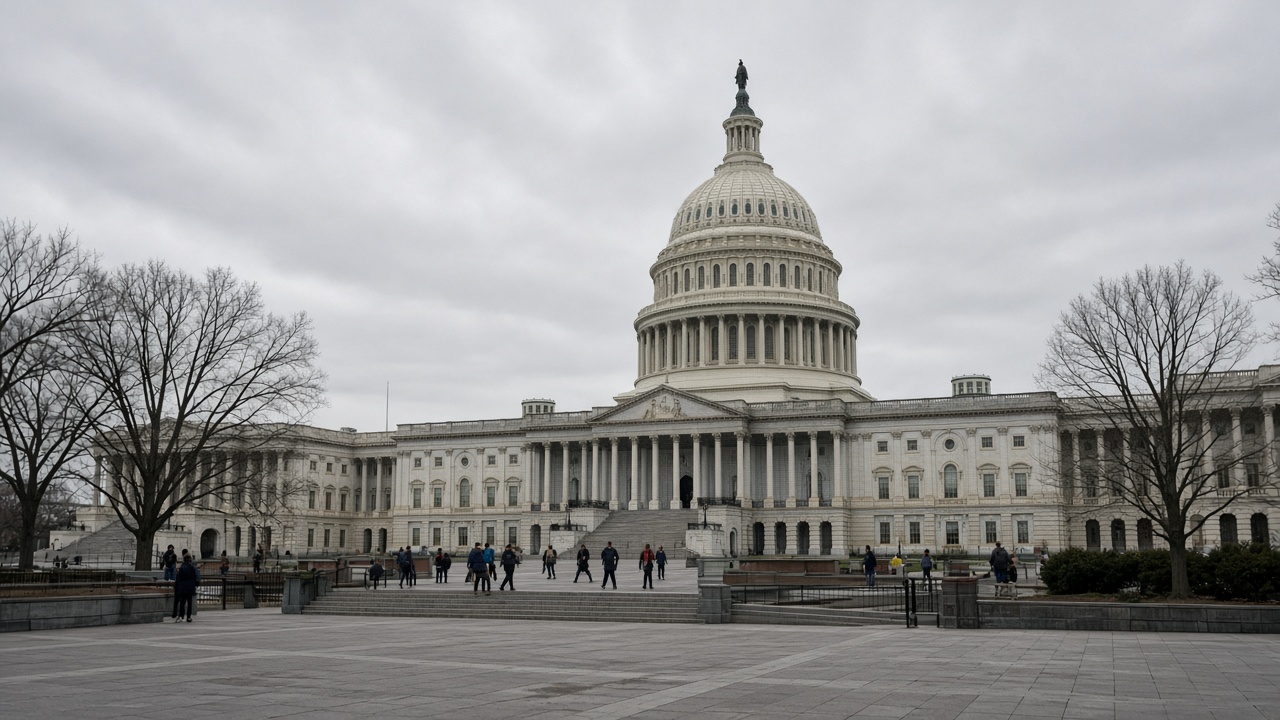
Congress returns from the election facing a hard fiscal calendar: the continuing resolution that keeps agencies operating is set to lapse after December 11, 2026, which means the first business day with a broken appropriations bridge would be December 12 unless negotiators pass full-year bills, a hybrid package, or another stopgap. For federal workers, contractors, and anyone who needs a passport, a VA appointment, or an IRS answer during the holiday sprint, the deadline is less about vote-count theater than about which services keep running on fee revenue and which do not.
What a lapse would interrupt first
Past shutdowns have followed a familiar contour: national parks reduce public access; some IRS and Small Business Administration service counters go dark; civil processing backlogs lengthen even when law enforcement and air-traffic control stay on the job. Military pay has sometimes been protected by last-minute patches but should never be assumed — households with uniformed members should verify notice from their finance offices rather than social posts.
What is different this year
Lame-duck sessions compress bargaining: leadership must decide whether to move a dozen-bill omnibus, a two-tier “minibus,” or a short bridge into the new year. Outside groups tracking the calendar note that surface-transportation authorizers, healthcare extenders, and defense policy bills are competing for the same floor oxygen as appropriations — a setup that rewards narrow, must-pass items and punishes open-ended policy riders.
State and local spillover
States that match federal Medicaid dollars or administer joint grant programs can see claims processing slow even when state employees are on the job, because federal systems stall. School districts awaiting Title I reimbursements and airports waiting on Federal Aviation Administration staffing plans should watch OMB contingency memos; those documents usually publish a few days before a lapse.
What to do this month
If you rely on a federally issued credential with an expiration in January, try to complete renewal before the December crunch. Contractors should confirm stop-work clauses; travelers should avoid assuming Global Entry interviews hold if enrollment centers are unfunded. None of this substitutes for a vote count — it is the household insurance read on a familiar risk.
The outcome is uncertain, but the date is not. Until a bill lands on the president’s desk, Dec. 11 is the line on the calendar that sets procurement, travel, and benefits planning for millions of Americans — not a beltway abstraction.