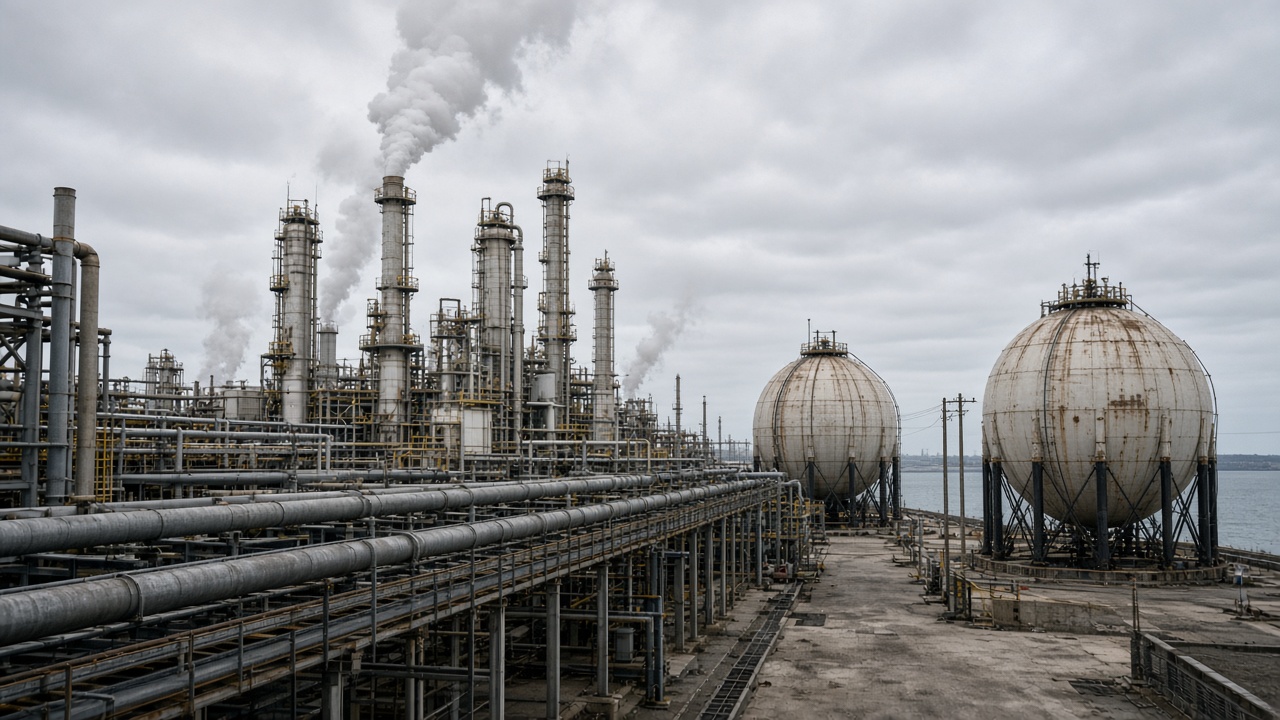
Formosa Petrochemical told investors that its naphtha crack spread narrowed in the first week of November as import parity prices climbed faster than domestic diesel quotes, a combination that usually shows up in Mailiao operating margins before it hits the headline net income line.
The group, which runs Taiwan’s largest integrated refinery at Mailiao in Yunlin County, said average naphtha landing costs rose on tighter regional cargo availability after several Northeast Asian turnarounds. Diesel export volumes through Kaohsiung remained in line with October, but the company flagged that product differentials did not fully pass through the feedstock move within the same billing week.
What moved on the feedstock side
Trading desks in Taipei tracked CFR Japan naphtha quotes drifting higher while Taiwan power demand stayed seasonally firm, keeping gasoil pull on the system. Formosa Petrochemical’s disclosure pointed to three delayed cargo laycans that forced the refinery to tap on-site inventory buffers for two days before replacement barrels arrived.
Analysts covering the 6501.TW listing said the spread compression was modest relative to the volatility seen during the mid-year maintenance window, but enough to trim near-term EBITDA assumptions for the fourth quarter. None of the houses changed rating calls on the back of the update alone; the debate is whether December contract nominations will recover enough to restore the spread.
Mailiao operations and exports
Operations at Mailiao continued at planned rates, the filing said, with aromatics units running to fill existing term contracts into China and Southeast Asia. The company reiterated that scheduled maintenance on one hydrocracker train remains set for the first quarter of next year, a timing choice that could either cushion or amplify margin swings depending on where regional cracks settle in December.
Export logistics through Kaohsiung did not report weather disruptions during the period, unlike typhoon-related deferrals earlier in the autumn. That stability helped keep outbound diesel liftings on schedule even as import costs rose, which is why investors focused on spread math rather than volume shortfalls.
Equity and group context
Formosa Petrochemical shares trade as a downstream arm of the broader Formosa Plastics Group complex. When naphtha moves quickly, the stock often lag pure upstream names but also avoids the wildest swings seen in smaller regional refiners with thinner product slates.
Retail holders on the Taiwan exchange will watch the next monthly revenue release for confirmation that product realizations caught up with feedstock. Until then, the company’s early-November spread warning is the clearest signal that margin recovery is not automatic even when export demand looks steady on paper.
What to watch next
Three items matter for the rest of November: whether Japan-Korea naphtha arbitrage opens enough to pull cargoes back into balance, how Taiwan’s state-owned utility burn affects gasoil demand, and whether Formosa’s aromatics slate can offset diesel spread pressure. The group said it would update investors if landed costs remain above the October average through the month-end close.
Investor calls and hedging
Sell-side teams on the Taiwan exchange said Formosa Petrochemical’s hedging book likely muted part of the naphtha move, but disclosed positions lag physical purchases by a week, leaving a window where spot moves show up in guidance before models catch up. Bondholders focused on debt metrics said the group’s net cash position still absorbs short spread shocks better than smaller independents.
Environmental scrutiny at Mailiao remains a background risk rather than this week’s driver. Community groups continue to monitor flare events, yet the November update did not cite any regulatory fines tied to emissions. That separation matters for investors who otherwise conflate every Mailiao headline with margin noise.