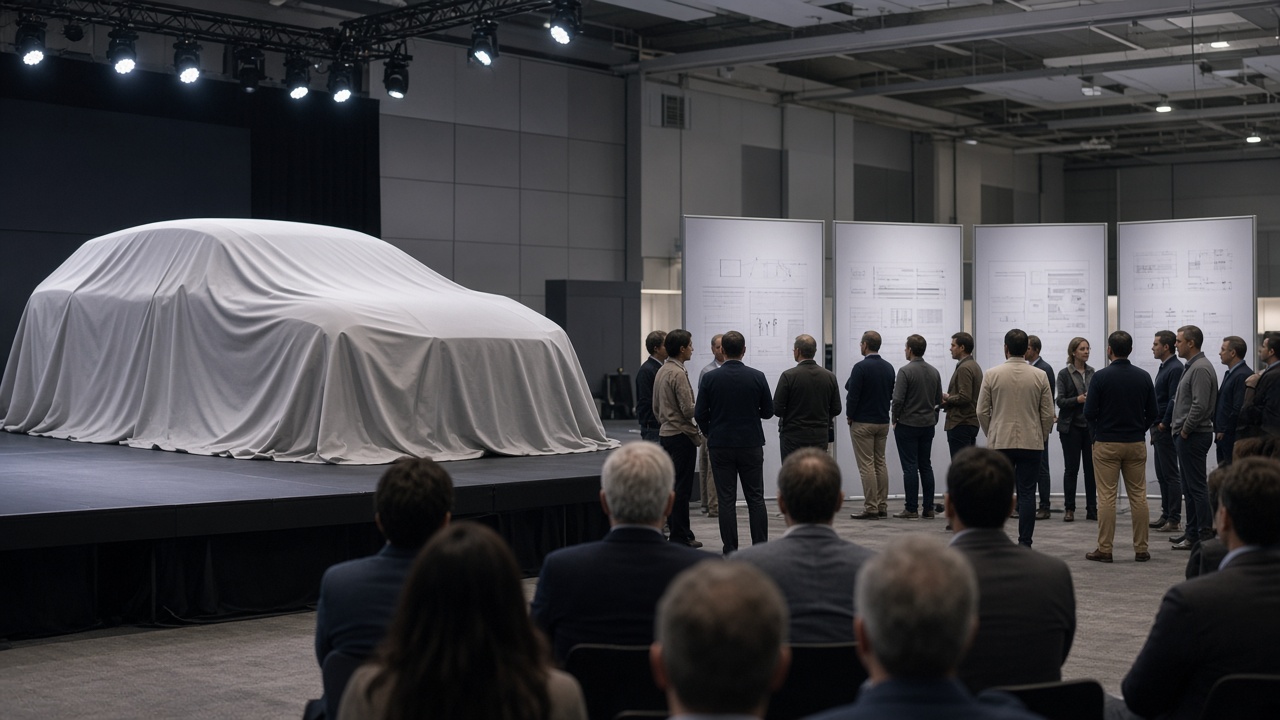
Hyundai Motor Group executives outlined battery-electric, fuel-cell electric, and AI-assisted manufacturing roadmaps at the FISITA World Mobility Summit in Hwaseong on 4–5 November, tying 2027 model cycles to modular e-platforms and factory digital twins the group piloted in Ulsan and Singapore.
Summit highlights
Hyundai Motor Co. showed updated Ioniq-derived architecture with 800-volt charging targets and heat-pump efficiency gains for cold-climate range. Kia Corp. previewed software-defined vehicle APIs opening to tier-one suppliers under audit. Hyundai Mobis discussed integrated drive modules that shrink pack volume for BEV pickups aimed at North America.
FISITA panels paired Korean regulators with EU type-approval experts on cyber-security rules for over-the-air updates, a theme Hyundai legal teams said will shape 2026 homologation calendars.
Fuel-cell track
HTWO Mobility reiterated commercial FCEV plans for heavy trucks and port gear, citing hydrogen refueling partnerships in Ulsan and California. Executives avoided new passenger FCEV launches, focusing on fleet economics where duty cycles exceed nine hours.
AI in plants
Hyundai Motor Group Engineering presented weld-quality vision models trained on Ulsan press lines, claiming defect recall improvements without slowing takt time. Privacy officers said worker images are blurred before cloud upload, addressing union questions raised in spring consultations.
Supply chain
Battery sourcing slides acknowledged LFP options for entry trims while premium lines stay nickel-rich; no new gigafactory announcements landed at the summit, though suppliers said 2027 capacity letters of intent remain under negotiation.
What investors watch
Markets want clarity on U.S. IRA credit eligibility for 2027 exports and on capex timing for Hwaseong R&D campus expansion. Hyundai shares traded mixed during the event as memory stocks dragged the Kospi lower, decoupling auto narrative from AI hardware fear.
Supplier meetings
Parallel B2B sessions paired tier-two battery housing vendors with Mobis quality auditors reviewing vibration test data for North American pickup programs. Several European suppliers attended virtually, signaling continued interest in Korea-as-hub engineering despite EU tariff debates on BEV imports.
Regulatory panels
Summit side sessions covered UN R155 cyber-security type approval and Korea’s planned OTA update registry, topics Hyundai homologation teams said will add lead time to 2027 BEV launches if rulemaking accelerates in Brussels and Seoul simultaneously.
Parallel B2B sessions paired tier-two battery housing vendors with Mobis quality auditors reviewing vibration test data for North American pickup programs.