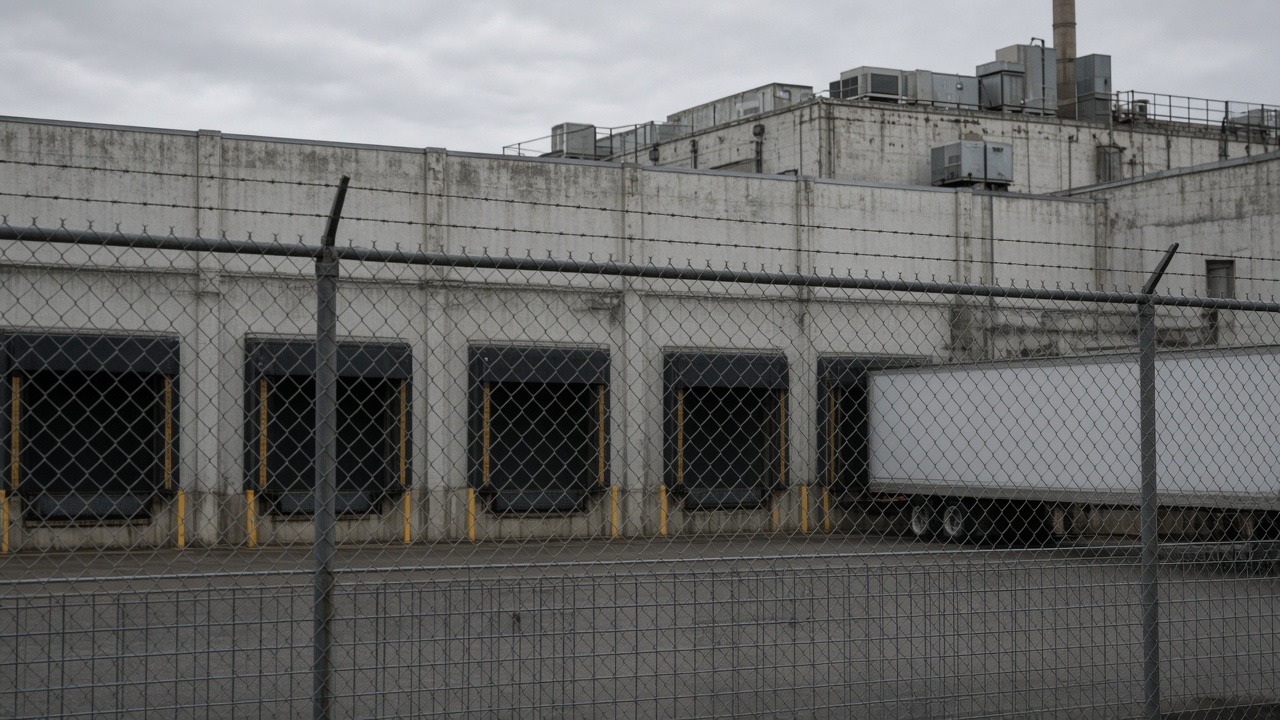
Japan protested to Russia on Friday after the Kremlin placed four subsidiaries of Japan Tobacco Inc. under temporary administration by a Russian firm, escalating a long-running fight over foreign corporate assets that remained inside Russia after the full-scale invasion of Ukraine reshaped sanctions and ownership rules.
What Tokyo says happened
Chief Cabinet Secretary Minoru Kihara told reporters the government is aware of a presidential order targeting JT’s local operating companies and considers the measure unacceptable. Japanese officials said they lodged a protest demanding an immediate withdrawal, reflecting both investment-protection concerns and anxiety that similar decrees could ripple through other manufacturers that kept plants, distribution and staff on the ground.
Tokyo also disclosed that senior personnel traveled to Moscow to deliver the message in person, a step that signals how seriously the administration treats the case even as diplomatic bandwidth with Russia remains narrow. JT is partly state-linked through Japan’s Ministry of Finance shareholding history, which adds a political dimension beyond a routine shareholder dispute.
Neither side has published a full timeline of board votes or cash-management restrictions; market filings will matter next week when investors demand clarity on whether dividends, trademarks or import channels remain under JT control.
Why it stings
Temporary management regimes in Russia have previously paved the way for discounted sales to domestic buyers or de facto nationalizations; foreign shareholders often argue they are left with phantom equity and limited recourse. For Japan, the optics are especially sharp: a flagship consumer-goods champion with deep domestic political constituencies is caught in the same expropriation toolkit Western energy and automotive groups have catalogued since 2022.
Unions, public-health regulators and municipal tax authorities in Russian cities that host JT facilities will be tugged between Moscow’s industrial policy and the risk of supply interruptions if production falters during the handover. Consumers may not feel an immediate cigarette shortage, but distribution contracts and import parity pricing can distort quickly when ownership churns.
Diplomatic crosscurrents
Japan has joined G7 sanctions on Russia while managing energy and fisheries files that periodically require technical contacts. An asset seizure headline hardens public opinion in Tokyo and may complicate any quiet discussions on humanitarian corridors, Arctic shipping or citizen safety that still require working-level channels.
Investors elsewhere in Asia will read the JT order as another data point when stress-testing country risk: if tobacco — a sector once treated as politically insulated — is vulnerable, fewer boardrooms will assume legacy joint ventures are safe without ironclad local partners or hard-currency exit paths.
What happens next
Shareholders will scour filings for impairment charges, force-majeure clauses and arbitration options while diplomats push for documentary clarity on ownership and board control. If Moscow frames the step as a consumer-protection or tax-compliance move, JT’s legal team may face a slog proving bad faith — a reminder that reputational and balance-sheet damage can accumulate faster than any courtroom timetable.