The Kaohsiung District Prosecutors’ Office said Thursday it released retired army general Tsang You-hsia and five other people on bail after questioning in an inquiry tied to Taiwan’s Nov. 28 local elections. The office said Tsang posted NT$700,000 (about US$21,300) bail and was barred from leaving the country, per its public statement.
What the office says it is examining
According to the statement and follow-up reporting by the Central News Agency, prosecutors described Tsang as chairing the Taiwan Chinese Culture Revival and Economic Development Association and helping run a Kaohsiung chapter that coordinated outreach with the China-based Huangpu Military Academy Alumni Association. The mainland group operates under the Chinese Communist Party’s United Front Work Department; Taiwan classifies it under national-security law language as a hostile foreign organization when relevant, the office said.
The written account said investigators are reviewing whether Tsang helped arrange mainland-funded travel—flights, hotels, meals, and sightseeing—for Taiwan voters while work on campaigns was underway. The same document said prosecutors are also reviewing his remarks at Taiwan-based gatherings about specific candidates and about figures connected to the Kuma Academy civil-defense training program co-founded by Democratic Progressive Party legislator Puma Shen, who is running for Taipei mayor. Nothing in Thursday’s release amounted to a court finding; it described an open inquiry.
Searches, summonses, and bail
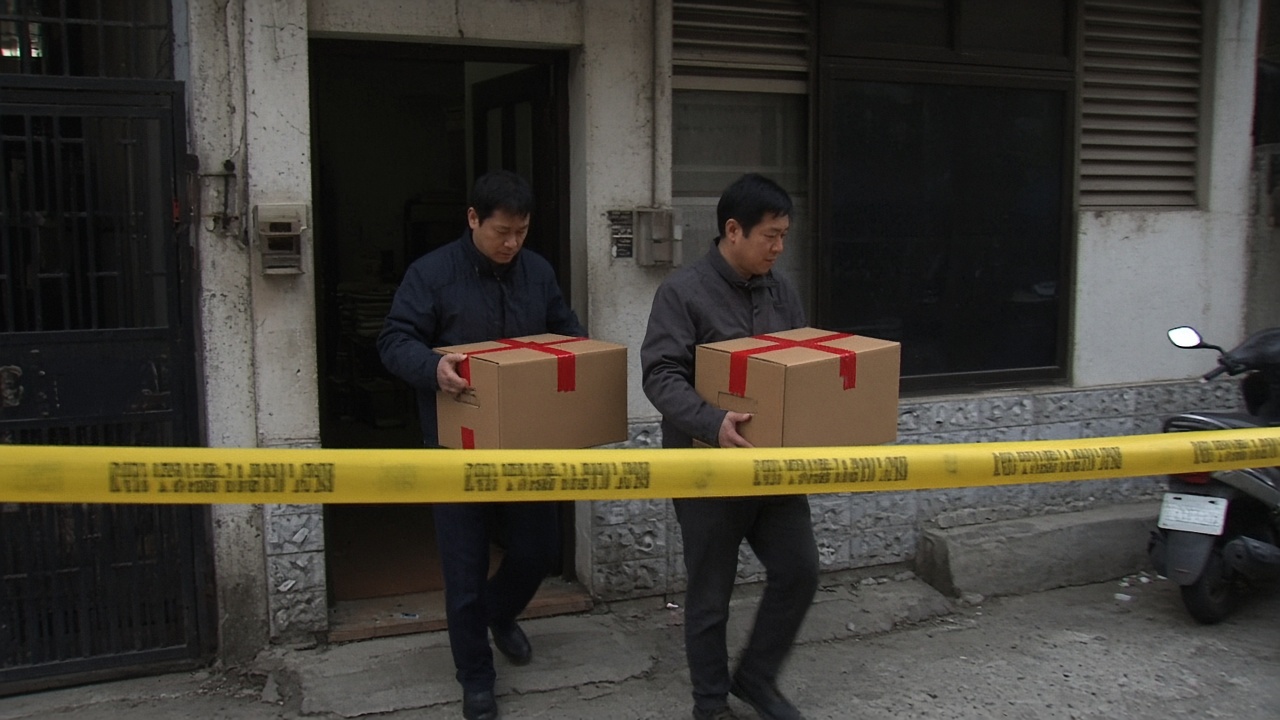
The Ministry of Justice Investigation Bureau’s Pingtung field office had forwarded related material on foreign influence and election security, prosecutors said. Courts approved searches of 14 locations and investigators summoned 22 people during the week. Besides Tsang, five others were released on bail between NT$50,000 and NT$100,000 with the same overseas travel ban, CNA reported.
Executive Yuan spokesperson Michelle Lee told reporters Wednesday that authorities would continue to pursue anyone who helped fugitives or undermined public order, remarks delivered while separate election-security cases remained active, including a former legislative aide who left Taiwan by fishing boat in October.
Why timing matters
Nov. 28 ballots will choose mayors and county magistrates across Taiwan. Prosecutors routinely publish updates on cross-border influence cases ahead of county-level votes; this file landed while the opposition-led legislature was still debating chunks of a NT$607.6 billion supplementary budget covering defense hardware and social programs.
Taipei security analysts said bail does not close the file; prosecutors can still bring an indictment before election day. Tsang’s association had not issued a detailed written response in the materials circulated Thursday, and public court listings did not name defense counsel.
What residents can do
Officials repeated standing guidance: report unsolicited paid tours or banquet invitations that appear tied to how someone should vote. The Mainland Affairs Council has long cautioned that covert support from Beijing-linked groups can implicate Taiwan’s Anti-Infiltration Act even when no cash changes hands locally.
For now, the office said it would keep reviewing digital ledgers, travel records, and witness statements before deciding next steps. All descriptions of prosecutors’ views here follow the Thursday statement, CNA, and contemporaneous Taipei Times court coverage cited below.