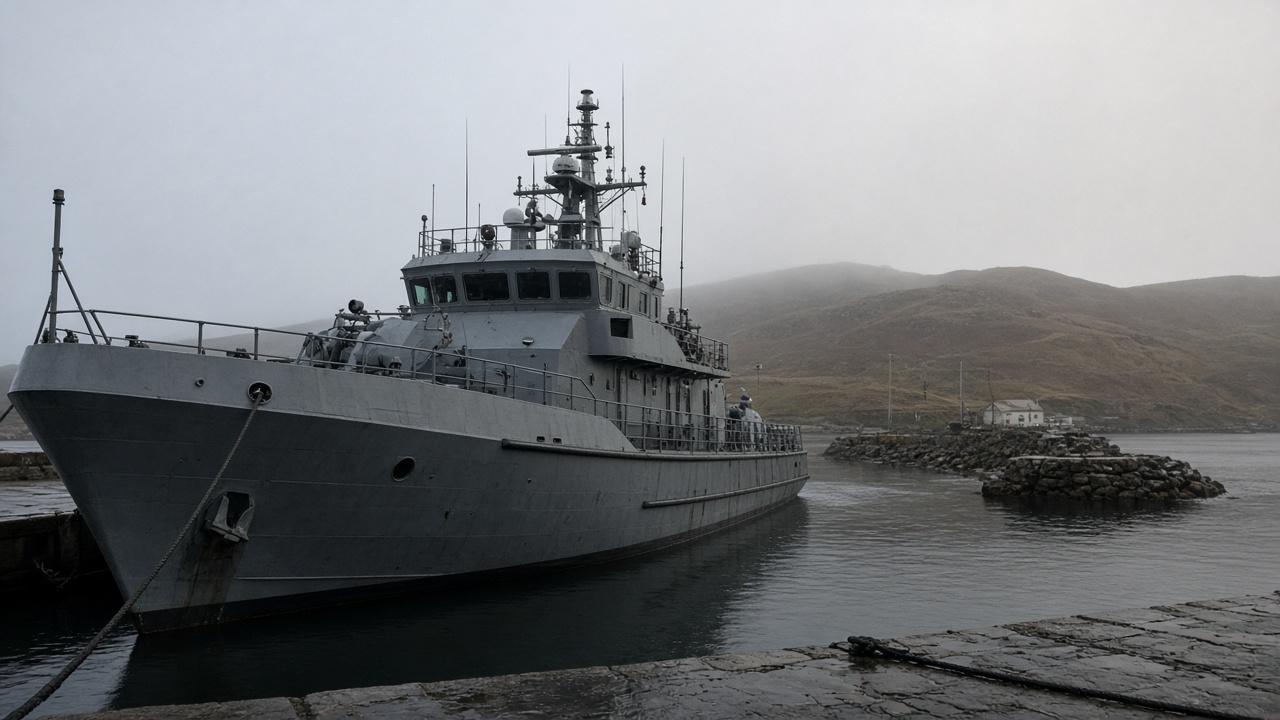
Opposition legislators said they will withhold support for a Coast Guard Administration fuel supplement until the agency submits itemized receipts for patrol sorties conducted near Kinmen over the past quarter, turning a routine budget top-up into a oversight fight over maritime enforcement spending.
The supplement, sized at NT$420 million, is meant to cover extra steaming hours after cross-strait traffic patterns shifted and civilian ferry schedules faced more frequent security holds. The ruling coalition argues the money merely restores burn rates depleted by weather detours and unplanned intercepts.
What lawmakers want to see
Critics asked for GPS-tracked sortie logs matched to fuel invoices, pier-side bunkering tickets, and maintenance downtime records that might explain spikes without attributing them to political show-the-flag tours. They also want comparative data from the same season last year to filter out one-off typhoon responses.
Receipts must cover both Kinmen and Penghu sectors, not aggregate fleet averages, several committee members said during a hearing broadcast on parliamentary TV.
Agency response
The Coast Guard Administration said it already logs hours per hull and can redact classified intercept details while sharing financial lines. Officials warned that delaying the supplement could force slower response times if winter northeaster winds increase drift incidents involving small craft.
Security analysts outside the legislature noted that fuel disputes rarely block final passage; they do shape how much public detail emerges about patrol tempo, which both Beijing and Taipei watchers parse for signals.
Timeline
The budget panel scheduled a second reading for next week if receipts arrive by Friday. Ferry operators on Kinmen routes said they are neutral on the politics but want predictable escort availability when cargo inspections backlog at port.
Whatever the outcome, the fight underscores that maritime enforcement budgets are now scrutinized as closely as fighter procurement lines, with paperwork standards borrowed from defense oversight hearings.
Local ferry and fishing voices
Kinmen fishing associations said increased patrol presence sometimes overlaps with legitimate small-boat lanes, creating friction unrelated to fuel budgets. They asked legislators to separate operational tempo debates from receipt disputes so safety talks do not stall over paperwork.
Coast Guard veterans noted that winter fuel burn rises even when sortie counts flat, because sea state demands higher throttle. Lawmakers acknowledged that point but still want line-item proof before releasing supplemental appropriations.
Committee staff said they would publish a redacted spreadsheet once the agency files, so voters can compare steaming hours against publicly announced drills. That transparency goal may add a few days to the schedule, but it also lowers the odds of a last-minute hold when winter weather arrives.