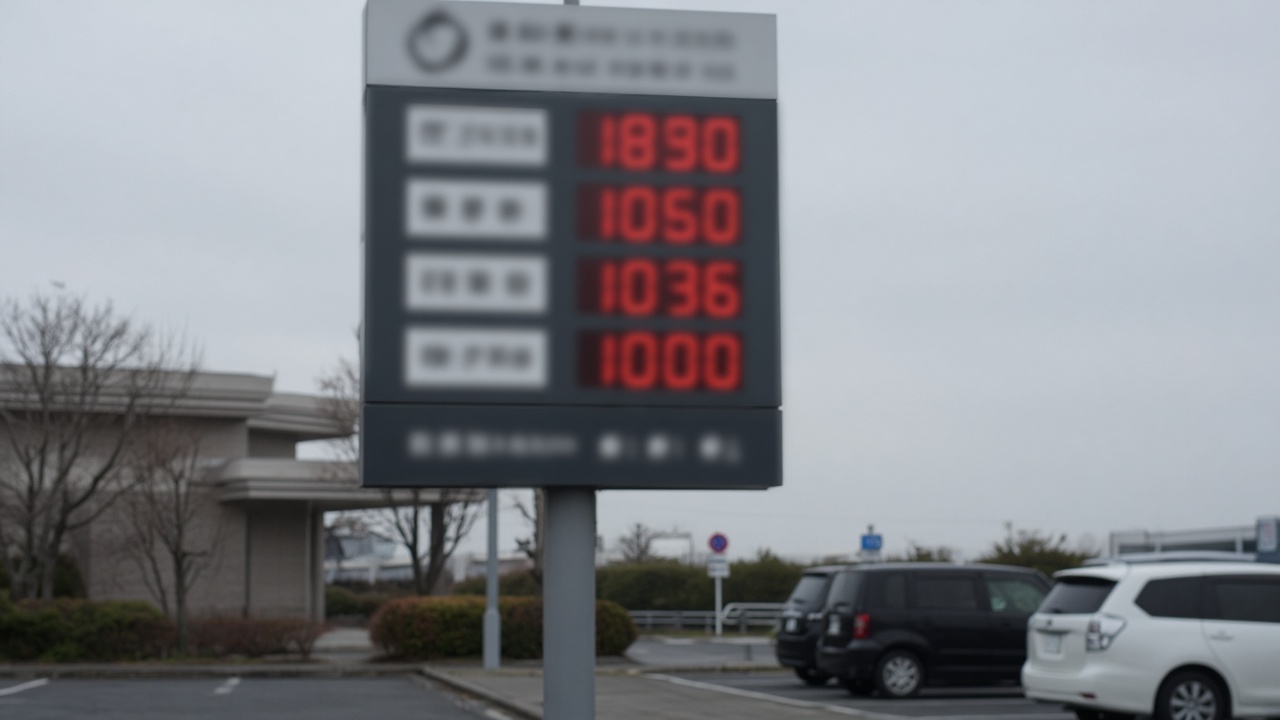
A Cabinet Office panel listed three stopgap options Thursday should Japan’s provisional gasoline tax expire on December 31 without a replacement instrument, acknowledging that ruling and opposition parties have yet to agree on offsetting revenue.
The provisional levy, roughly 25 yen per liter, funds road maintenance and disaster-ready infrastructure. Prime Minister Sanae Takaichi campaigned on abolishing it by year-end, but finance ministry briefers told the panel that a straight expiration would leave a 1.5-trillion-yen annual hole unless substitutes pass the Diet.
Options on the table
The first option extends the provisional tax for six months under a continuing-resolution style law while negotiators finalize a permanent road-financing bill. The second raises the standard gasoline tax rate by a smaller increment that sunsets after three years. The third taps general-account borrowing tagged to bridge projects, explicitly labeled as temporary in bond prospectuses.
Panel members from opposition parties rejected borrowing without a dated replacement tariff, echoing Komeito demands for written schedules before any levy rollback vote.
Political calendar
Lower House leaders tentatively set November 14 hearings on sunset mechanics, leaving little time for committee markup before the December recess. Petroleum wholesalers said they need at least thirty days’ notice to relabel pump prices and adjust inventory accounting.
Regional taxi cooperatives warned that abrupt cuts without stable road budgets could delay bridge inspections in rural islands dependent on fuel subsidies.
Household impact
Drivers would welcome lower pump prices, but municipalities fear delayed grants for snow-country road heating and earthquake retrofitting. The panel’s report urges publishing a chosen option by November 20 so prefectures can adjust fiscal plans before April budget cycles.
Industry timing
Refiners asked for synchronized pump-price label updates nationwide to avoid regional confusion if the provisional tax lapses mid-holiday driving season. The panel noted that tax agency printers need lead time for revised receipts.