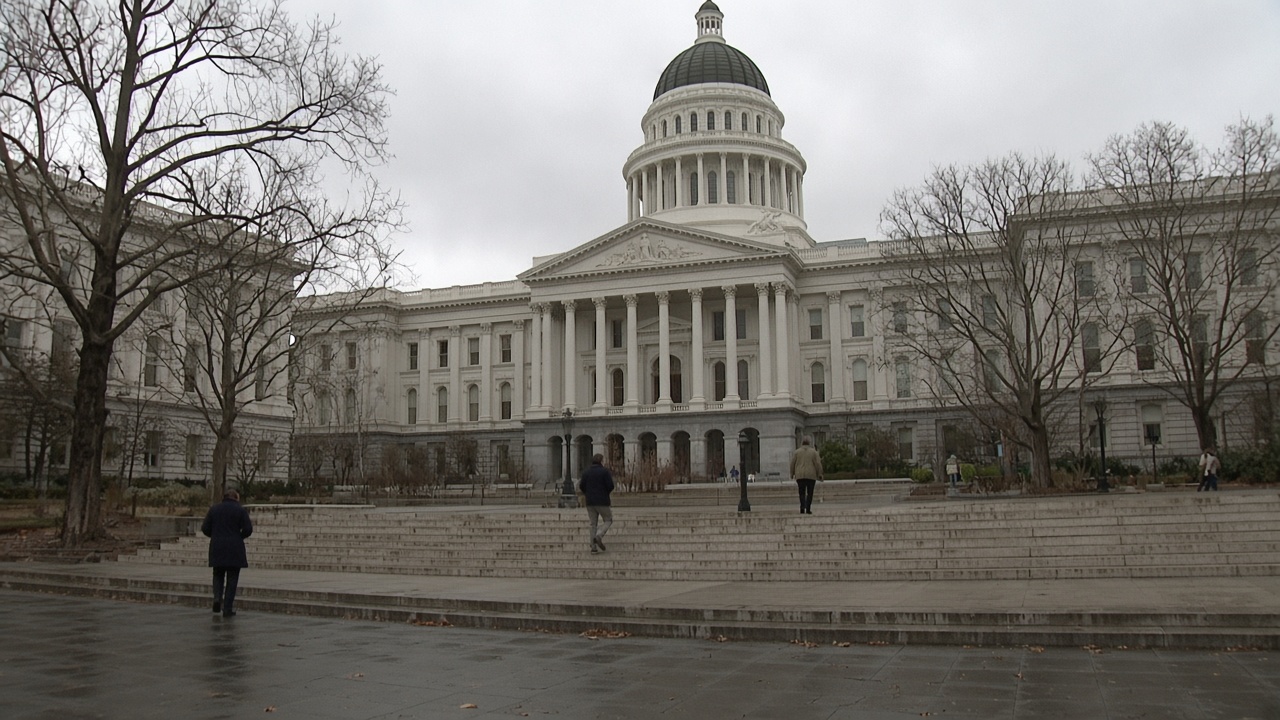
Gov. Gavin Newsom said Thursday he would commute the sentences of all 548 people on California’s death row, converting each capital sentence to life in prison without the possibility of parole. The announcement lands as he closes out eight years in Sacramento with executions already halted and the question of capital punishment settled in practice, if not in statute, for the current population of condemned prisoners.
What the order does — and does not — change
Newsom cast the move as a rejection of state-sanctioned killing
and a judgment that the death penalty is incompatible
with what he described as California’s values. None of the affected inmates becomes eligible for parole; commutations here replace the death sentence with a fixed life term. Convictions and underlying findings of guilt are not vacated by a commutation order in the way an appellate reversal would be.
The governor’s letter to Californians also underscored a procedural wrinkle that will keep courts busy: a large share of cases involve people convicted of more than one felony, which under the state constitution can require California Supreme Court review before commutations take final effect. That means some sentences may sit in legal limbo while justices work through a historic queue.
Where executions stood before Thursday
California has not carried out an execution since 2006. Legal challenges to lethal injection, followed by Newsom’s 2019 moratorium, left the machinery of capital punishment idled even as prosecutors in some counties continued to seek death verdicts. Newsom also ordered the dismantling of the execution facility at San Quentin, a physical symbol of the policy break from prior administrations.
The death penalty remains on the books; district attorneys can still ask juries for death in new capital cases. What changes with this sweep is the sentence for everyone already sentenced to death — a cohort large enough that advocates have called it the most sweeping use of clemency power in the country’s modern death-penalty debate.
Political and moral framing
Newsom, who is widely expected to eye national office after leaving the governor’s office, framed the commutations as a capstone moral decision rather than a narrow criminal-justice tweak. Critics, including some prosecutors and victims’ groups, are likely to argue the move short-changes survivors who endured decades of appeals expecting an execution that the state had already stopped carrying out.
Supporters will read the order as a belated alignment of practice and principle: a state that had functionally exited the execution business formally wrote that reality into individual sentences. Either way, the calendar now turns to the courts — and to counties still litigating old convictions — to absorb what it means when every death sentence on the books becomes life without parole in a single stroke.