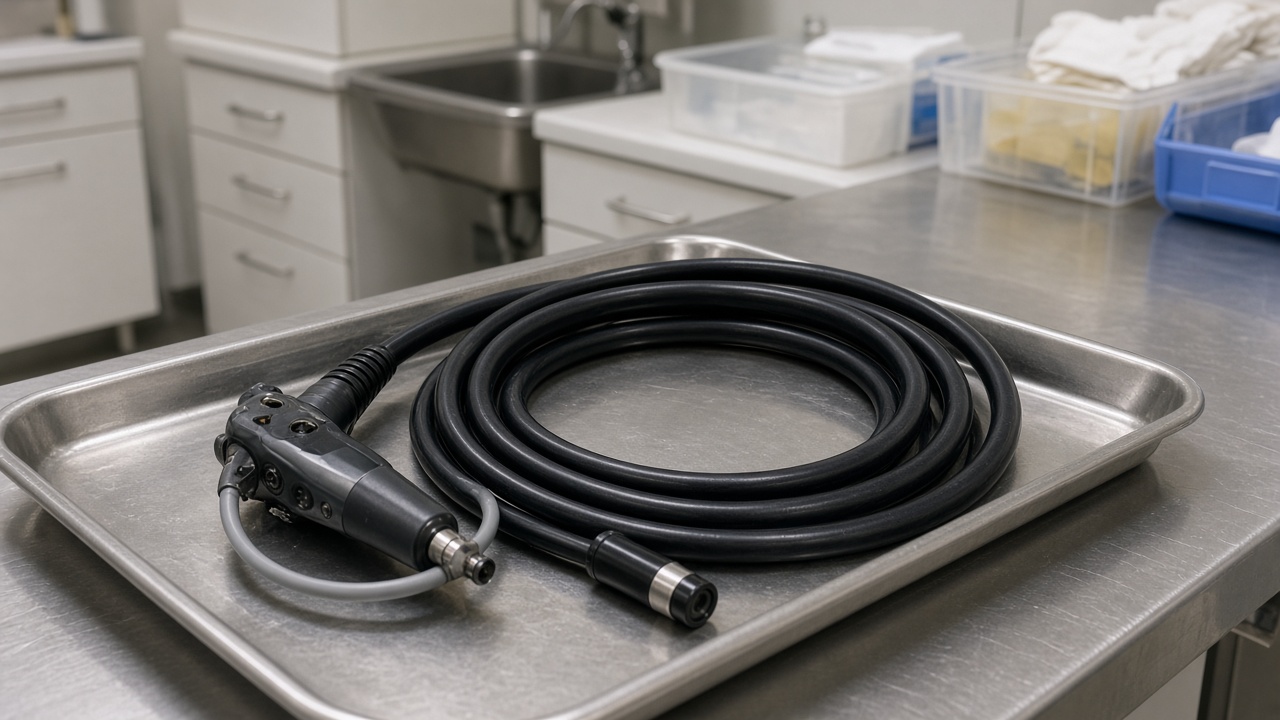
Olympus connected six Hokkaido prefectural hospitals to a shared cloud archive for gastrointestinal endoscopy images, a rollout designed to reduce repeat procedures while meeting Japan’s tightened clinical-data hosting rules.
The consortium, anchored in Sapporo and Asahikawa, lets authorized specialists review high-definition scope stills within minutes instead of mailing physical media. Olympus said the first month logged more than 1,200 cross-site consults, mostly for colorectal screening follow-ups in rural towns where gastroenterologists are scarce.
Compliance layer
Each upload passes through a domestic data center operated by a telecom partner certified under the health ministry’s anonymization guidance. Patient identifiers are tokenized before the files leave hospital firewalls, and access logs feed into prefecture-run audit dashboards that regulators can inspect during spot checks.
Hospital CIOs said the project survived a July penetration test mandated after ransomware incidents hit smaller clinics elsewhere in Japan. Olympus supplies on-premise encryption appliances so imaging continues during cloud outages—a requirement after a typhoon-related fiber cut last year delayed diagnoses in eastern Hokkaido.
Clinical workflow
Endoscopy nurses tag lesions using a standardized taxonomy the health ministry promotes for national cancer-screening statistics. When a rural clinic captures a suspicious polyp, urban experts can recommend immediate removal or surveillance intervals without scheduling a second sedation session.
Early feedback from physicians in Kushiro noted a 14 percent drop in duplicate same-month scopes among participating sites, although sample sizes remain small. Olympus plans to charge per-study storage fees after a subsidized pilot window closes in March.
Vendor competition
Fujifilm and Sony Group medical units are pitching rival platforms in Honshu, but Hokkaido’s sparse population makes shared archives attractive. Prefecture officials said they may extend the contract if rural wait times for specialist reads fall below five days by year-end.
For patients, the practical effect is fewer travel days to Sapporo and less duplicate bowel preparation—a burden elderly residents in snow country often cite when skipping screening appointments.
Training
Olympus scheduled webinars for rural nurses on tagging workflows and privacy settings before expanding the archive to two additional coastal hospitals in January. Participating sites must certify annual penetration tests to remain on the shared VLAN.