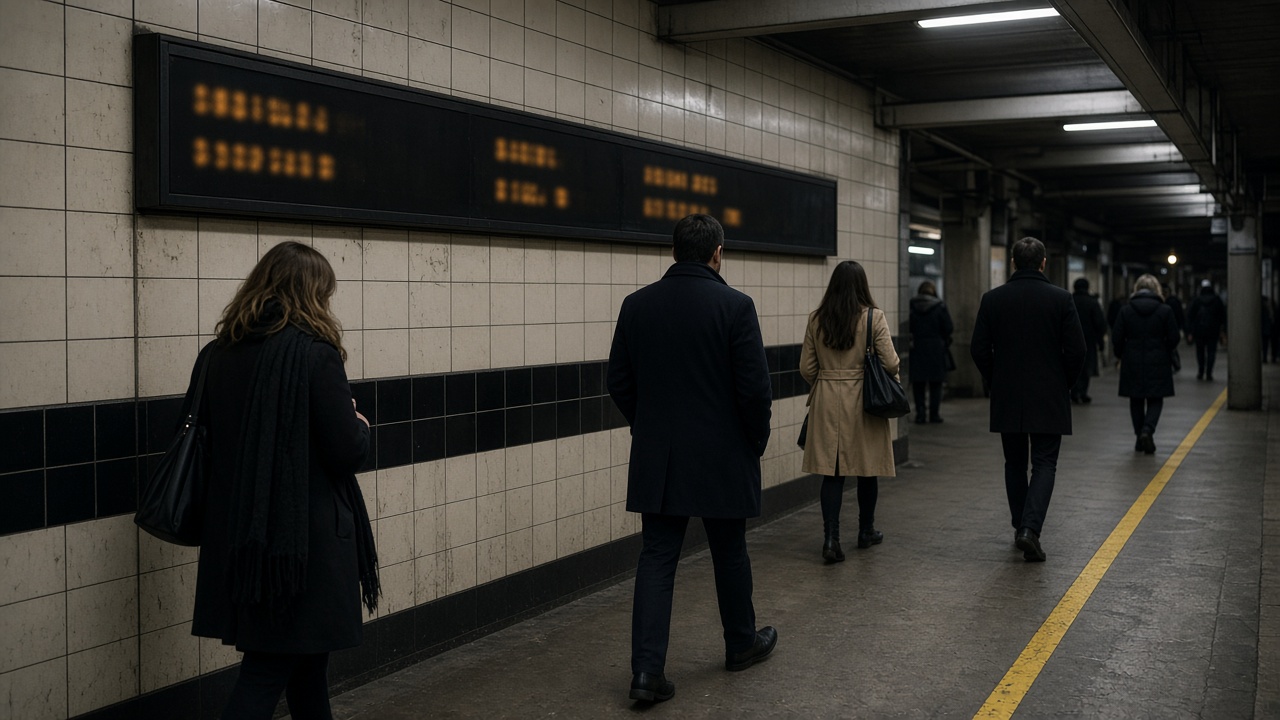
The Rail, Maritime and Transport union said Friday it will stage a fresh series of 24-hour strikes on London Underground in an escalating fight over working arrangements, with the first walkout scheduled for late November. The announcement lands as millions of commuters are planning holiday travel and as Transport for London tries to stabilise reliability after earlier stoppages across the network.
What the union says
According to the union’s statement and briefing to members, drivers are resisting TfL’s push toward a four-day working pattern that officials have cast as voluntary and efficiency-minded. Union leaders argue the fine print would leave many staff facing longer spells behind the controls within a compressed week—an outcome they say trades short-term roster flexibility for fatigue and unresolved pay protection.
The RMT has framed the dispute as a safety and workload issue, not simply a calendar tweak. It wants a shorter standard week without what it describes as a stealth extension of productive time through unpaid breaks or stretched duties. TfL, for its part, has previously insisted its approach would reduce overall contractual hours while introducing paid meal breaks—an accounting move that changes how a shift feels even when the headline weekly hours tick down.
The calendar of disruption
Friday’s notice points to a rolling programme of one-day strikes rather than a single protest day. The union named a first strike on 26 November and additional 24-hour stoppages stretching into late February, signalling an intention to keep pressure on negotiators through the Christmas retail peak and the January return-to-office crush.
For passengers, the pattern recalls spring episodes when multiple lines stood down entirely and others ran severely reduced timetables. TfL typically publishes strike-day travel advice when formal notifications land; contingency buses and amended National Rail advice often cannot fully absorb the loss of Underground capacity in central London.
What TfL argues
City Hall and TfL have argued that modernising rosters is central to balancing budgets after ridership shocks and costly capital programmes. A voluntary four-day pattern, they maintain, could improve recruitment and retention in a tight labour market for train operators. Union scepticism reflects a wider UK transport pattern: when employers pitch flexibility, staff committees often scrutinise rotas line-by-line for hidden intensity.
What happens next
Acas-style talks may still narrow the gap if both sides treat January as a hard deadline for a roster deal before budget season. In the meantime, employers across central London will be rehearsing remote-work plans again, and the hospitality sector will watch weekend footfall forecasts nervously. Parliamentarians who represent commuter constituencies may also lean on ministers to keep dialogue moving—though Underground pay is primarily a mayoral and TfL negotiation, not a Commons vote.