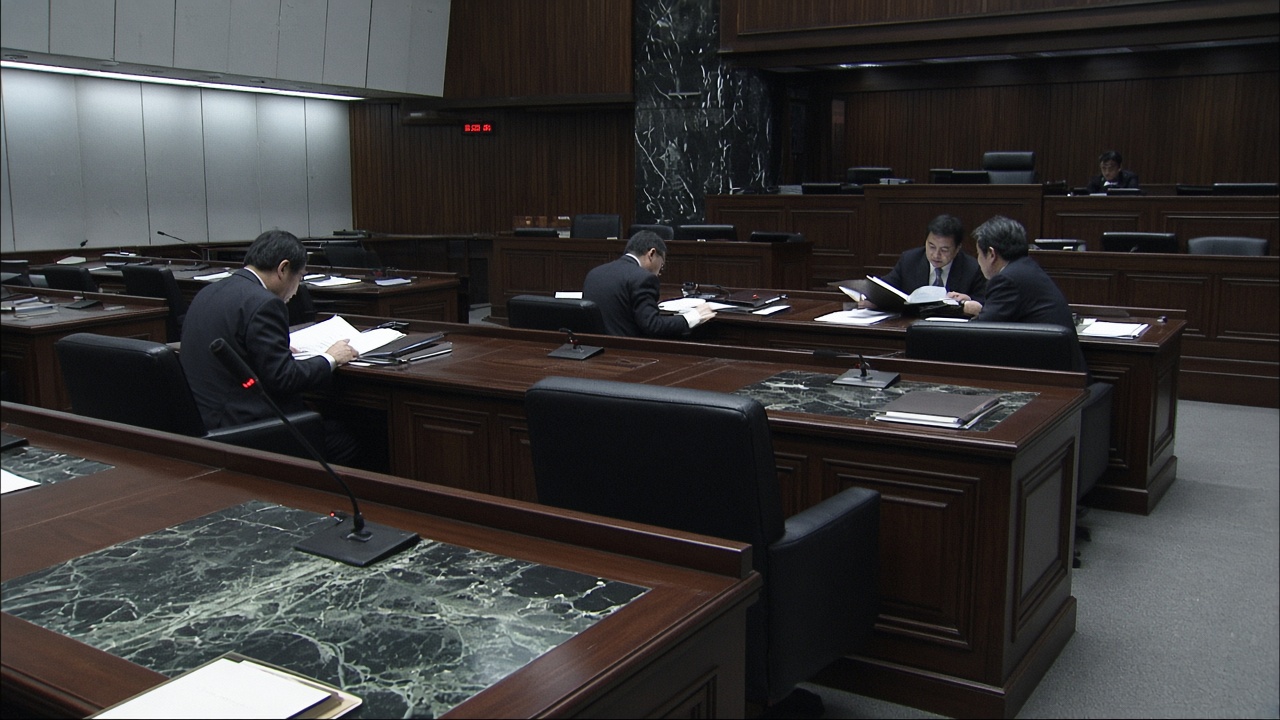
Taiwan’s Legislative Yuan moved a midyear fiscal package closer to a final vote on Friday after committees finished most of their review, yet two politically charged chapters—national defense hardware accounts and expanded allowances aimed at young families—remain bracketed for more bargaining before leaders hope to send the bill to the floor by November 20.
Where the money is supposed to go
The Cabinet pitched the supplementary budget in September at about NT$607.6 billion (roughly US$18.5 billion at recent exchange levels), layering inflation relief, higher social allowances pitched as pro-natal policy, and additional military outlays onto a base budget that cleared the third reading only in August after an extended fight. Friday’s committee work was meant to wrap loose ends; instead, it exposed lingering distrust over how much flexibility the Ministry of National Defense should keep for drones, communications, and armaments when opposition lawmakers want line-by-line scrutiny.
What stalled in committee
According to summaries circulating in Taipei press, legislators agreed in principle on calendar pressure—they want the package law before the end of the month—but split on defense freezes and the depth of cuts to general equipment budgets. One opposition lawmaker floated freezing a slice of drone and counter-drone procurement pending tougher justification; government allies countered that layered freezes during procurement cycles delay delivery when regional deterrence timelines are already tight.
On the welfare side, ministries had not furnished full spreadsheets on how fast birth-related subsidies would roll out, how many households qualify, and whether unspent appropriations could roll cleanly into next year’s books—details social-policy legislators said they need before unlocking child-rearing lines that are electorally sensitive for every major party.
Why timing matters for markets and commanders
Bond markets treat supplemental budgets as signals of fiscal impulse; equities watch whether stabilization tools and macro support stay coherent with revenue. For uniformed planners, delayed appropriations can ripple into contract renegotiations and foreign military sales timelines even when policy intent is clear. For families, uncertainty over per-child benefits lands atop sticker shock in childcare markets already under strain.
County and city leaders are watching, too: some line items flow as matching grants for education and social services, and mayors facing winter utility bills want clarity on timing before they lock their own first-quarter spending plans.
The next moves are classic Yuan choreography: party whips trade memos, committee chairs schedule make-up sessions, and floor managers prepare roll-call drills. What broke into the open Friday is not whether Taiwan will spend more this year—it will—but who signs off on the fine print while leaving enough room for auditors and voters to see where every NT dollar ran.