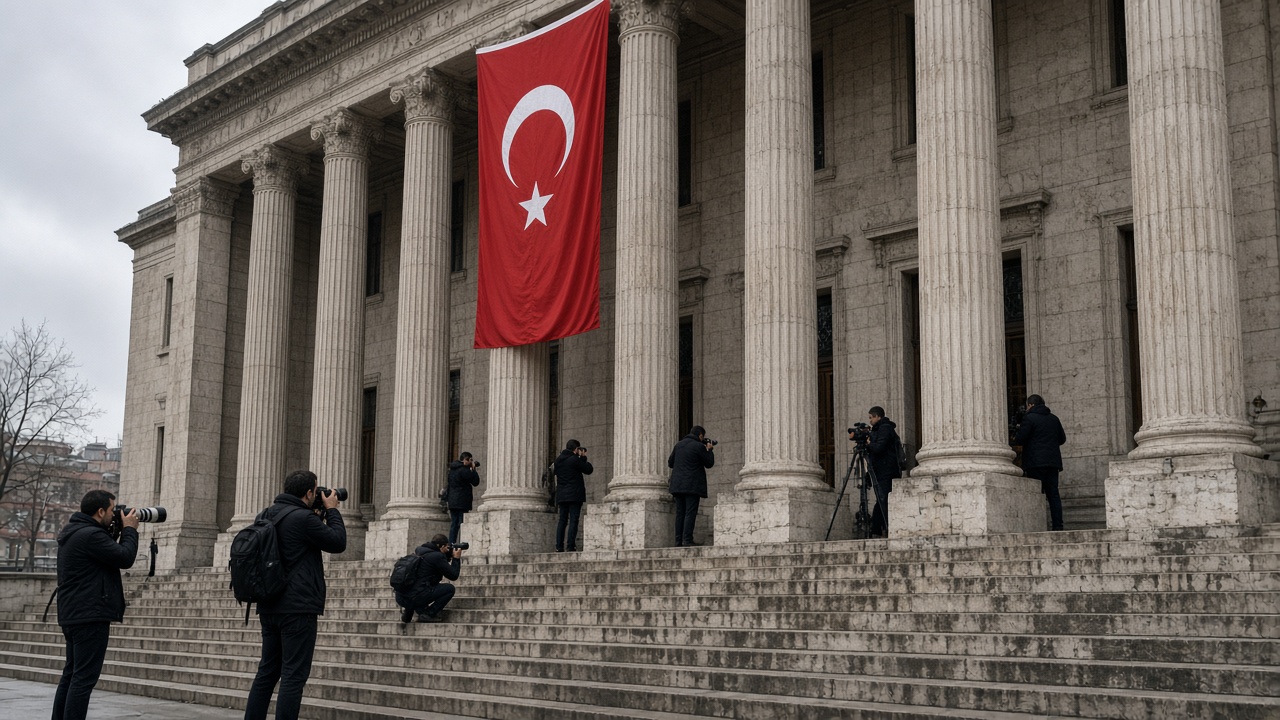
An Istanbul Criminal Court of Peace issued arrest warrants on Friday for 37 Israeli officials, including Prime Minister Benjamin Netanyahu, after prosecutors alleged systematic genocide and crimes against humanity in Gaza and a separate case tied to the October interdiction of the Global Sumud Flotilla.
What the prosecutor filed
The Istanbul chief public prosecutor’s office said it sought the warrants because suspects are not on Turkish soil. The named targets include Defence Minister Israel Katz, National Security Minister Itamar Ben-Gvir, Chief of General Staff Eyal Zamir, and Navy Commander David Saar Salama, according to a statement carried by Turkey’s state-run Anadolu Agency.
Charges rest on Articles 76 and 77 of the Turkish Penal Code, which cover genocide and crimes against humanity. Prosecutors cited operations in Gaza since 7 October 2023, including the bombing of the Turkish-Palestinian Friendship Hospital in March, and alleged obstruction of humanitarian access to the enclave. The office also listed forensic examinations of activists flown to Istanbul after the flotilla seizure, where they accused Israeli forces of torture, looting, and the detention of vessels on the high seas.
The Istanbul No. 2 Bar Association filed a related criminal complaint on the same day, and victims’ lawyers submitted petitions during an investigation that has been running in parallel with Turkey’s decision last year to join South Africa’s genocide case against Israel at the International Court of Justice.
Israel’s response and what the warrants actually do
Foreign Minister Gideon Saar called the move a “latest PR stunt by the tyrant” President Recep Tayyip Erdoğan and said Israel “firmly rejects, with contempt” the allegations. Netanyahu enjoys immunity as a sitting head of government, and legal analysts note the warrants are domestic Turkish instruments—not Interpol “red notices”—so they bind authorities only if the named officials enter Turkey.
Still, the filing carries diplomatic weight at a moment when a U.S.-brokered Gaza ceasefire has been in place since 10 October. Turkish courts have exercised universal jurisdiction before, and prosecutors framed Friday’s step as preserving evidence and individual criminal responsibility while hostilities remain paused rather than concluded.
What diplomats are watching
Western capitals are tracking whether Ankara expands judicial steps beyond symbolism. Turkey hosts NATO assets, trades with Israel’s tech sector, and simultaneously positions itself as a lead advocate for Palestinians at the United Nations. Friday’s warrants do not require third countries to act, but they sharpen the legal narrative Israel’s government has been fighting at The Hague and in European capitals.
Prosecutors said the inquiry remains open and that additional suspects could be added as flotilla witness statements and Gaza documentation are translated. For Netanyahu’s coalition, the practical risk is travel and banking exposure for lower-ranked officials who lack full diplomatic immunity—not immediate custody.