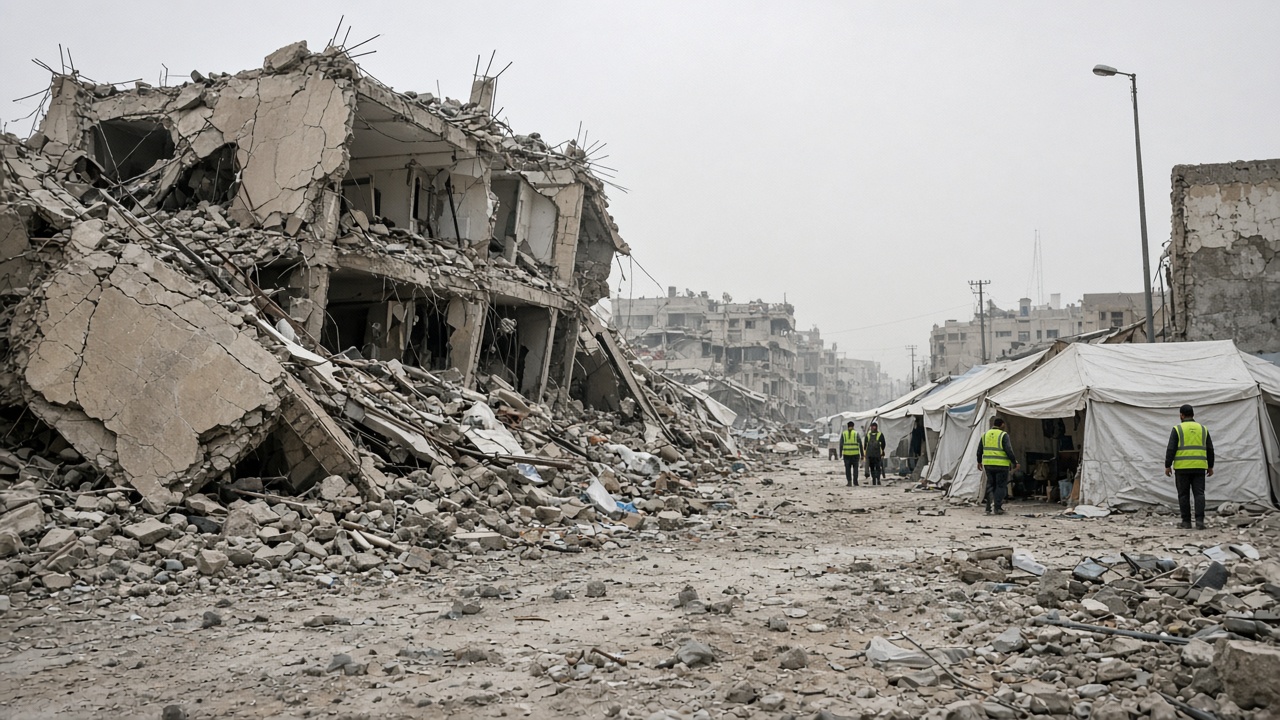
The World Health Organization has published updated casualty figures from Yemen’s renewed bout of nationwide fighting, reporting 1,771 deaths and 7,959 injuries recorded in the country’s emergency health cluster data since the current escalation began in August. In the agency’s latest situation reporting window—covering five days through 30 October—the daily average of new casualties rose to roughly 132 per day, up from about 93 per day in the prior window, signaling another acceleration in harm to civilians and combatants alike as front lines shift.
Geography of the latest surge
According to the WHO-backed health emergency operations picture, Lahj governorate accounted for the largest single share of casualties in the late-October window—309 people, or about 47 percent of the period total recorded in that subset of reports. Marib registered the heaviest concentration of deaths for the stretch, with 36 fatalities among 172 documented casualties there. On one October day alone, responders cited 117 casualties tied to fighting around Al-Jubah, Harib and the Al-Jawf front—20 of them fatal—underscoring how quickly violence can spike along Yemen’s interior fault lines even when headline diplomacy elsewhere stalls.
WHO does not break the aggregate toll into civilian versus combatant counts in the headline figures, a limitation humanitarian analysts often cite when interpreting the numerator. Still, the pattern—rising velocity of recorded deaths and injuries, with southern and central governorates carrying an outsized share—matches what aid groups describe as repeated pressure on hospitals, ambulances and community triage points that were already stretched before this phase of hostilities.
Displacement and strain on the response
Beyond the casualty registers, displacement trackers have recorded large population movements since October, including more than 43,000 people who fled Al-Madaribah wa Al-Arah district in Lahj since early that month, with Aden and other southern hubs absorbing tens of thousands of newly displaced families. When arrivals concentrate faster than shelter, water and outpatient capacity can expand, secondary health risks—cholera-prone settings, missed vaccinations, nutrition lapses—tend to climb in parallel with trauma admissions.
The United Nations and Red Cross–led relief effort has repeatedly warned that funding shortfalls and access friction restrict how comprehensively hospitals can restock blood products, surgical kits and mental-health support. WHO’s tally is therefore both a mortality ledger and an indirect signal of where logistics teams must race to keep clinics from turning patients away.
What policymakers will watch next
Diplomats tracking the Yemen file are likely to pair WHO’s arithmetic with parallel UN appeals on protection of civilians, humanitarian corridors and verification of strikes near medical facilities. Any sustained uptick in the five-day moving average would intensify pressure on capitals backing the belligerents to show verifiable de-escalation steps, while regional governments hosting refugees and commercial traffic through the Red Sea will watch spillover risks.
For readers following the story, the core takeaway is straightforward: recorded deaths and injuries are still climbing, faster in the latest reporting slice than in the one before it, with Lahj and Marib named repeatedly in the underlying incident geography. The next phase—whether the trend bends down through ceasefire mechanics, seasonal lulls or sheer exhaustion of forces—will show up first in these same health-cluster spreadsheets long before front pages catch up.