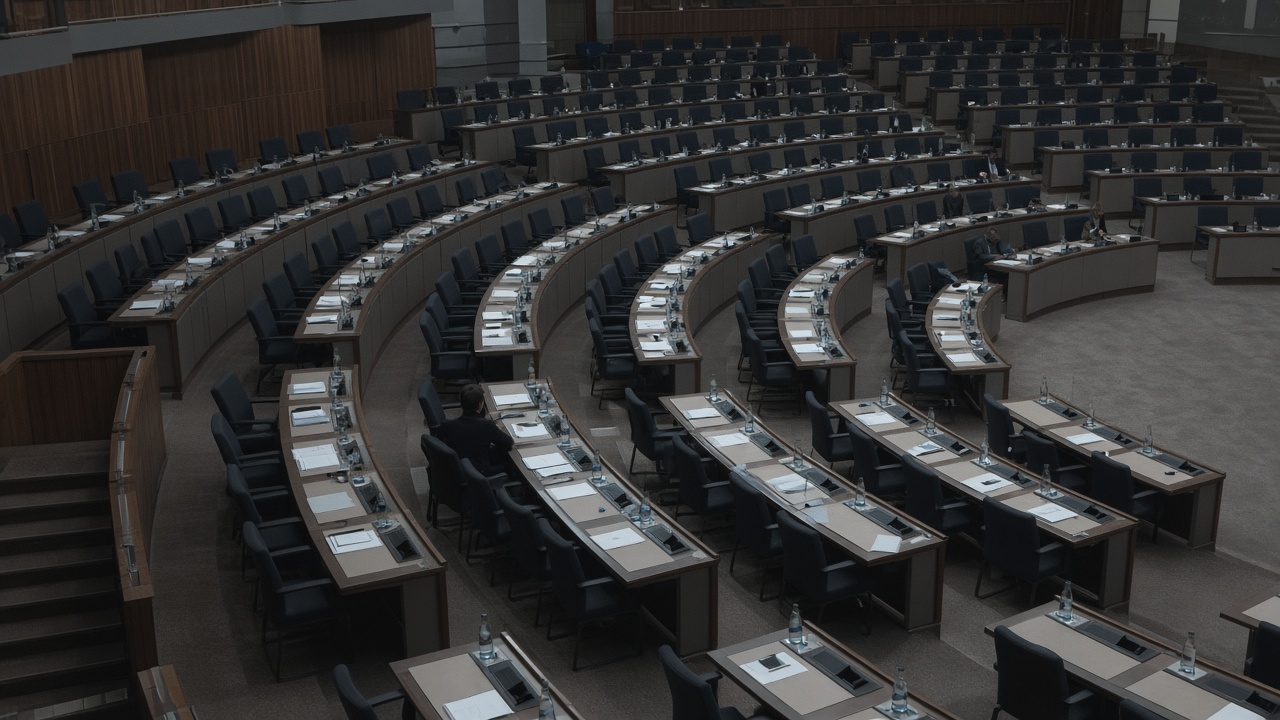
A cross-party group of members of the European Parliament is asking the European Union to go beyond spot checks and origin labels and prohibit trade in products that come from illegal Israeli settlements in the occupied Palestinian territories. In a debate framed around consumer certainty and respect for international law, several MEPs argued that years of disclosure requirements have not shifted patterns enough—and that only a binding ban on such commerce would align the bloc’s single market with its own statements on the conflict.
From disclosure to prohibition
The push does not create law by itself. In the EU system, Parliament can signal direction and amend proposals, but the European Commission holds the sole right to initiate trade measures. Supporters nonetheless cast the floor speeches as a attempt to force the issue onto the agenda before further escalation in Gaza and the West Bank erodes what they describe as dwindling room for halfway measures.
Advocates say many shoppers still cannot tell whether olive oil, wine, dates or stone exported through Israeli channels were harvested or quarried on land that the United Nations and most governments consider occupied. They maintain that “settlement goods” are distinct from goods produced inside Israel’s pre-1967 boundaries and should not circulate freely in Europe simply because a customs code lists Tel Aviv as the exit point.
Commission and capitals under pressure
Any move toward a bloc-wide ban would collide immediately with longtime divisions among member states. Countries with close security and commercial ties to Israel have historically resisted steps that resemble sanctions, while others—often aligned with Palestinian statehood—have pressed for stronger economic signals. The Commission would also need to weigh World Trade Organization commitments and the risk of reciprocal political blowback.
Officials in Brussels typically respond to such calls by citing ongoing technical work on enforcement of origin rules and due diligence guidance for companies. Corporate counsel note that even a partial prohibition would force rapid supply-chain audits across agriculture, cosmetics and building materials—not sectors accustomed to geopolitical friction in their paperwork.
What changes for businesses and shoppers
Until the Commission tables a formal instrument, consumers will see no new duties at the checkout. Should legislators succeed in steering a draft forward, retailers would face the harder task of tracing whether farm cooperatives, wineries or quarries sit beyond the Green Line, not merely whether a label mentions “West Bank” in small type.
Israeli exporters and settler councils have in past cycles warned that broad EU penalties could hurt farms that employ Palestinian workers as well as Jewish residents. Palestinian economists counter that structured differentiation—letting goods from 1948 Israel trade normally while restricting settlement output—is exactly how other occupation regimes have been handled elsewhere.
What happens next
Parliament’s role next turns on whether committees request a Commission report or tuck trade language into unrelated files as negotiating clout in budget votes—both standard Brussels tactics. Watchdog groups say they will file updated complaints to national customs authorities this winter, hoping to keep pressure on capitals that might otherwise defer to Washington’s posture on the war.
For now, the sharpest outcome may be rhetorical: a signal that the EU’s largest elected body is no longer satisfied with disclaimers, even if the machinery of a continent-wide ban remains distant.