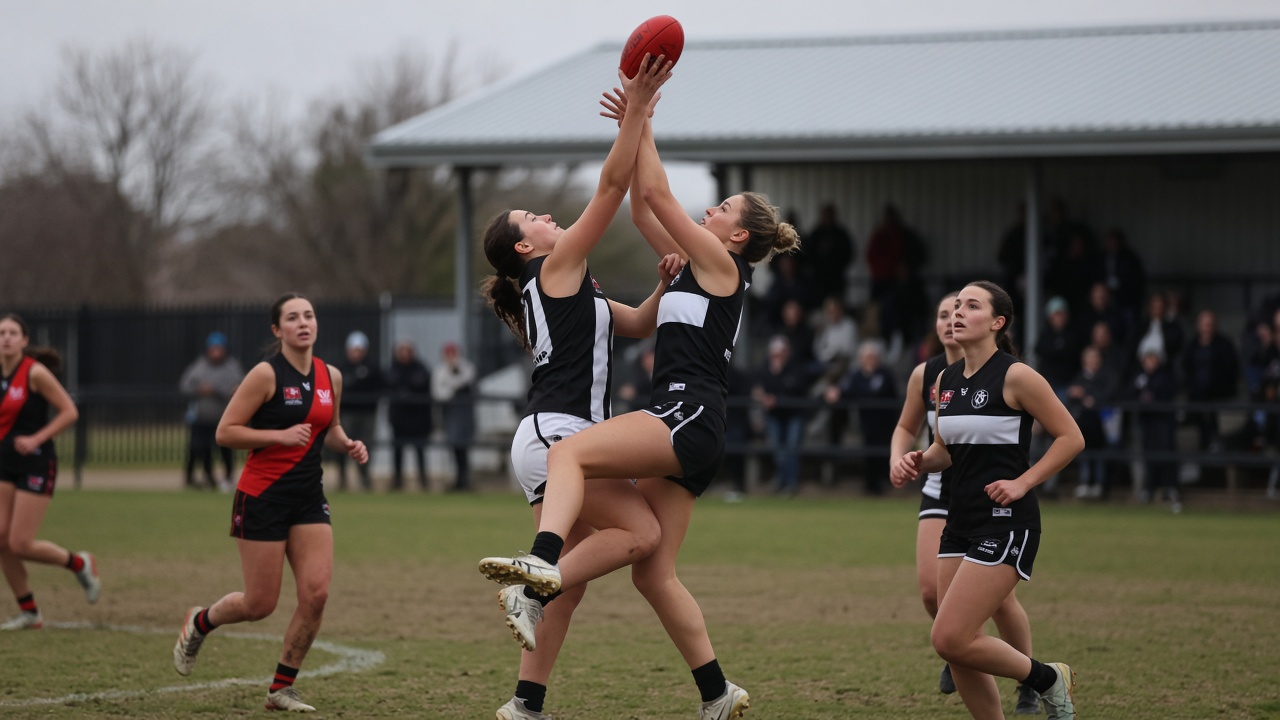
The 2026 NAB AFLW finals open in Melbourne with an old suburban football ritual reasserted: two qualifying finals on one ground, one ticket, hours of continuous September-grade tension—only now it lands in early November.
The league’s published week-one schedule places Geelong against Melbourne in the second qualifying final at 1.05pm AEDT on Saturday 7 November at Ikon Park, followed by North Melbourne against Carlton in the first qualifying final at 4.05pm AEDT on the same card. The format guarantees collateral storylines: Geelong’s first final campaign in years runs straight into a Dees side hardened by recent contention, while North’s premiership three-peat push meets a Carlton line-up capable of spiteful clearance ball.
Tickets and pricing freeze
AFLW head Laura Kane’s release for week one reminded clubs that adult entry remains at $15 for the opening two weeks of finals, juniors under 15 attend free if booked via the nominated sellers, and preliminary finals hold at $20 before the grand final ticket tier published by the league. The grand final itself stays on a Friday night (27 November) with hosting rights going to the highest-ranked qualifier once the order shakes out.
Why Ikon Park still hosts the big Melbourne block
Capacity and intimacy pull in opposite directions. Ikon Park cannot swallow a men’s final crowd, but it keeps northside derbies close to suburban rail and preserves sightlines that television directors prefer for women’s fixtures. Marvel Stadium, owned by the league, is available yet again bypassed for the showcase, a decision that continues to rankle advocates who want Docklands optics for the league’s marquee rounds.
Sunday road games for expansion markets
The same weekend sends elimination games to Sydney and the Gold Coast, underlining how the eight-team cut mixes mature football states with newer coast franchises. A Sydney Swans host at Henson Park and Gold Coast hosts Hawthorn at People First Stadium, both on Sunday—different time zones, same elimination stakes.
For Melbourne supporters debating rail versus tram, aim early: double-header foot traffic stacks queues at Royal Parade gates, and the second match’s crowd often swells with Carlton fans arriving hours before bounce. Bring layers—the November cool snaps after sundown, and Ikon Park’s concrete can chill faster than the radar suggests.
Broadcast and arc
The league locked national broadcast partners across free-to-air, streaming and pay windows for finals; check local guides if you are overseas, because delay feeds may differ from live social clips.
Ranking math for later rounds
Qualifying final winners earn the top two ladder positions for hosting priority, while losers drop into sudden-death brackets against elimination winners. That is why Geelong and Melbourne cannot treat the opener as a “learning hit-out”—dropping to an elimination road trip erases a home-ground edge later.
Injuries and interchange
Two matches on one ground test medical staff, interchange benches and warm-down space. Squads that manage rotations through midfield workloads on a quick turnaround often hold up better than those who ride a small core for four quarters.
Beyond Melbourne
Sunday hosts in Sydney and Gold Coast carry expansion narratives: both clubs are still building women’s football cultures distinct from the men’s brands. Elimination upsets there would shuffle travel loads and hotel costs for week two.