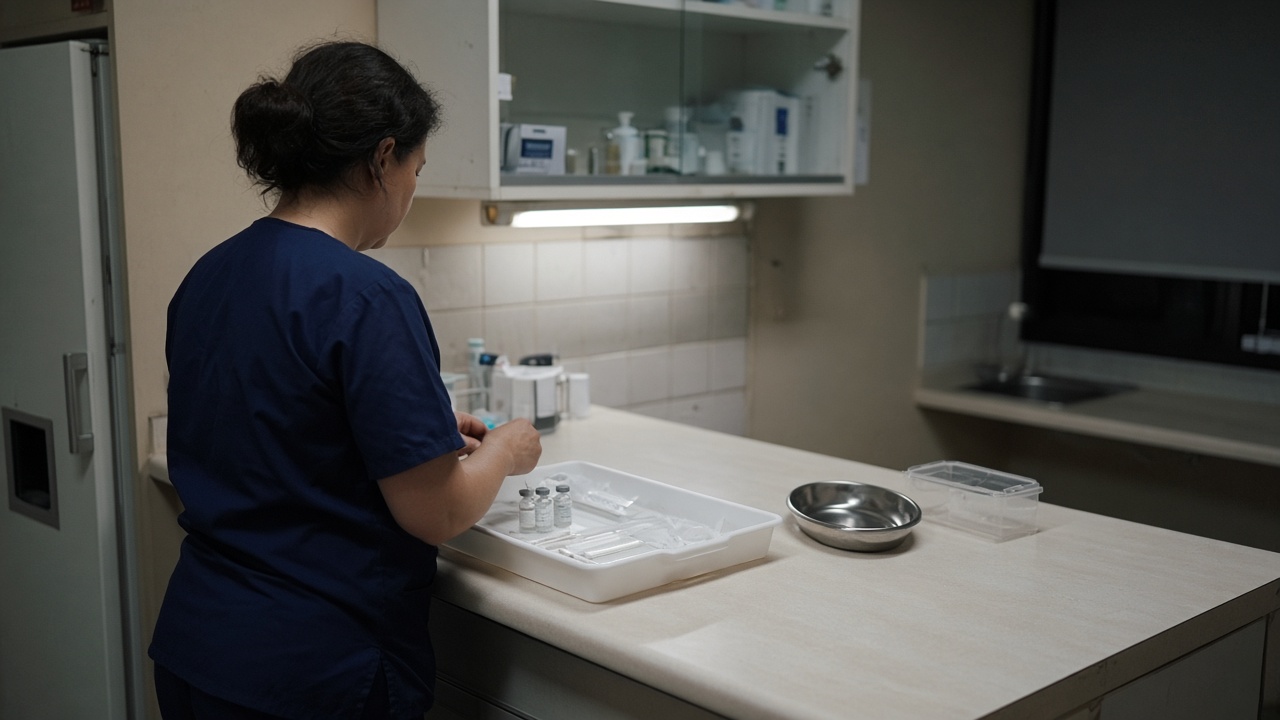
Spring headlines often imply flu shots are a March-to-May ritual, but national clinical guidance treats influenza vaccination as a year-round clinical conversation because the virus does not respect a neat calendar in every city.
The Australian Immunisation Handbook states that people are recommended to receive an influenza vaccine every year and that annual vaccination should occur before the influenza season starts, with the caveat that providers should offer vaccination throughout the season and that it is never too late to vaccinate, because influenza can circulate all year.
What changed for children in 2026
For the 2026 season, program advice published by the Department of Health flags an additional option for younger cohorts. Intranasal live attenuated influenza vaccine is available by private prescription for children aged two through 17, and through state-based programs in New South Wales, Queensland, South Australia and Western Australia, expanding choice alongside traditional injected inactivated doses.
The Handbook summarises eligibility nuances: most children from two years to under 18 years may receive either injected inactivated vaccine or LAIV except where contraindicated, while children under two should only receive inactivated products. Pregnant women should receive inactivated vaccines rather than live nasal formulations as a matter of standard practice.
Practical timing for late movers
The Handbook also discusses a trade-off providers weigh every year: delaying vaccination deeper into winter can lift immunity later in the season but risks an early-season exposure window. That is why clinics still field November appointments for travellers, school-aged children catching up, and adults who missed the autumn rush.
If you are booking now, bring your Medicare card, ask which formulations your pharmacy or general practice stocks, and confirm whether you need one or two doses—children receiving influenza vaccine for the first time sometimes need a second dose at least four weeks later, depending on age and risk status.
COVID-19 vaccines can be administered on the same day as influenza vaccines according to federal consumer fact sheets, simplifying planning for families trying to clear multiple jabs before the summer holiday crush.
Aboriginal and Torres Strait Islander access
National Immunisation Program eligibility explicitly includes Aboriginal and Torres Strait Islander people from six months of age; ACCHOs and outreach teams remain central to hitting coverage targets in regional and remote communities where clinics may stock vaccines later than capitals.
Workplace and travel
Employers still determining return-to-office cadence should expect absenteeism spikes if flu peaks coincide with school concerts and year-end retail rosters. For international tickets, some carriers still ask about respiratory symptoms; vaccination certificates can smooth check-in even when not mandatory.
When to call a clinician
High fever, shortness of breath or prolonged lethargy merit assessment regardless of jab status. Antivirals work best early; telephone triage can screen risk factors such as pregnancy or chronic lung disease.