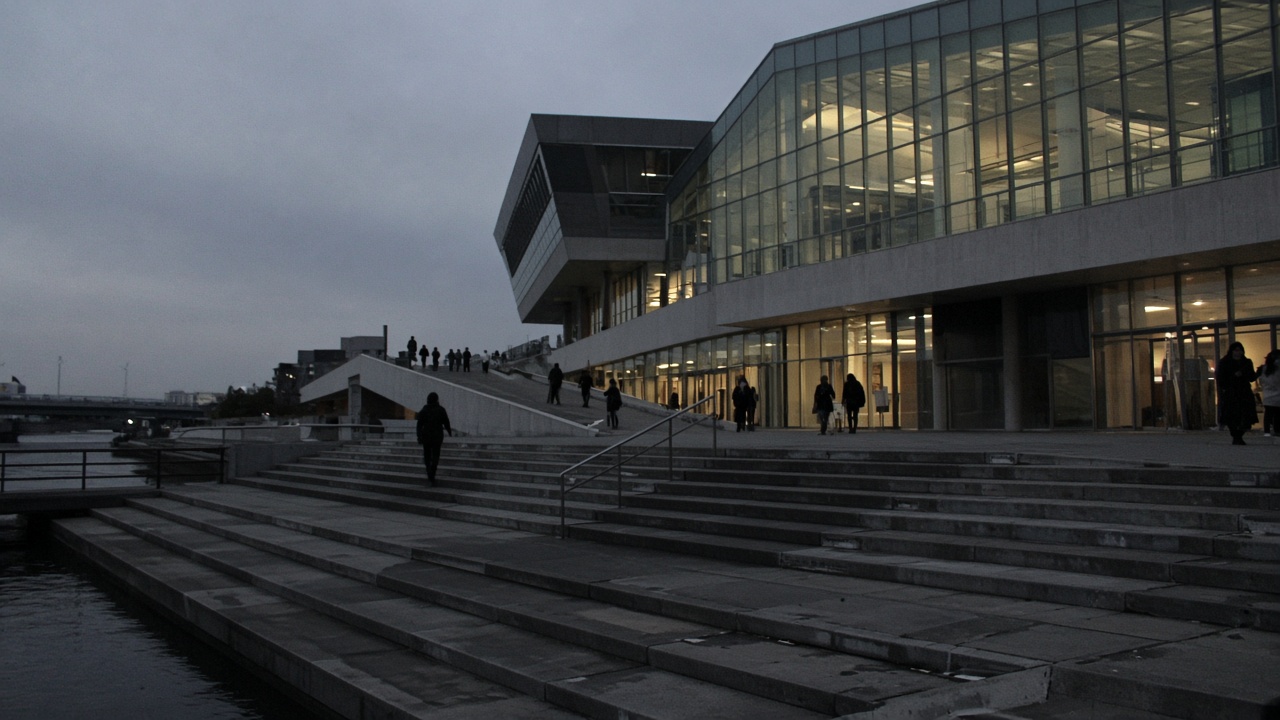
The Fukuoka Asian Film Festival wrapped its 2025 edition October 13 after five days of screenings inside the Fukuoka Asian Art Museum's eighth-floor Ajibi Hall, according to the festival's archived programme page. Organisers framed the year around Vietnamese cinema—including feature retrospectives and documentary slots timed with a special exhibition on Vietnamese landscapes running upstairs—plus Japan premieres from the Philippines and Swiss-resident Japanese directors.
Ticketing economics for regional festivals
The schedule lists per-film pricing alongside a multi-picture pass aimed at completists who wanted to see all eleven titles; the pass also promised a small souvenir tied to a longtime sponsor. That structure matters for Hakata's cinema ecosystem because it mixes local corporate patronage with city tourism grants, keeping per-seat revenue predictable even when blockbuster screens dominate malls.
Programming signal
Vietnam-heavy line-ups are not accidental—Fukuoka's port history positions Kyushu as a natural reception hall for Southeast Asian storytellers. Talks featuring museum curators between screenings tried to bridge gallery visitors who might never buy a standalone ticket downstairs.
Audience takeaways
Festivalgoers interviewed in local coverage praised hands-on Q&A sessions, while some viewers noted tight seating in Ajibi's intimate auditorium—a trade-off organisers accept to keep the event inside a civic museum rather than a multiplex.
Looking toward 2026
Community calendars already pencil the next October window; distributors use FAFF as a test tube for subtitled runs farther east if house metrics beat expectations.
Cultural tourism spillover
Hakata merchants track festival spillover into hotel nights and izakaya covers; even modest attendance bumps matter when cruise-ship volumes swing seasonally. FAFF's decision to align a Vietnamese film strand with a museum exhibition created cross-tickets that helped gallery foot traffic—an approach other regional capitals study when pitching Ministry of Education grants for soft-power programming.
Distributors debating urban theatrical runs watch festival Q&A footage as marketing intel: audience questions reveal which plot beats confuse subtitles-first viewers.
Archive as distributor intelligence
Programmers outside Kyushu treat the FAFF grid as a feasibility sheet: rights holders post which DCPs cleared customs on schedule, which director visits cleared visa windows, and which talks drew standing-room crowds. That metadata is as valuable as star ratings for buyers weighing a two-week mini-run in Nagoya or Sendai. The festival’s decision to park screenings inside a public museum also gives funders a straight line from ticket sales to municipal cultural metrics—useful when prefectures defend film subsidies against fiscal hawks every December.
Subtitle vendors and accessibility consultants scan the same archive for promised closed-caption tracks and hearing-loop seating notes before signing contracts with smaller cities that want mirrored screenings.