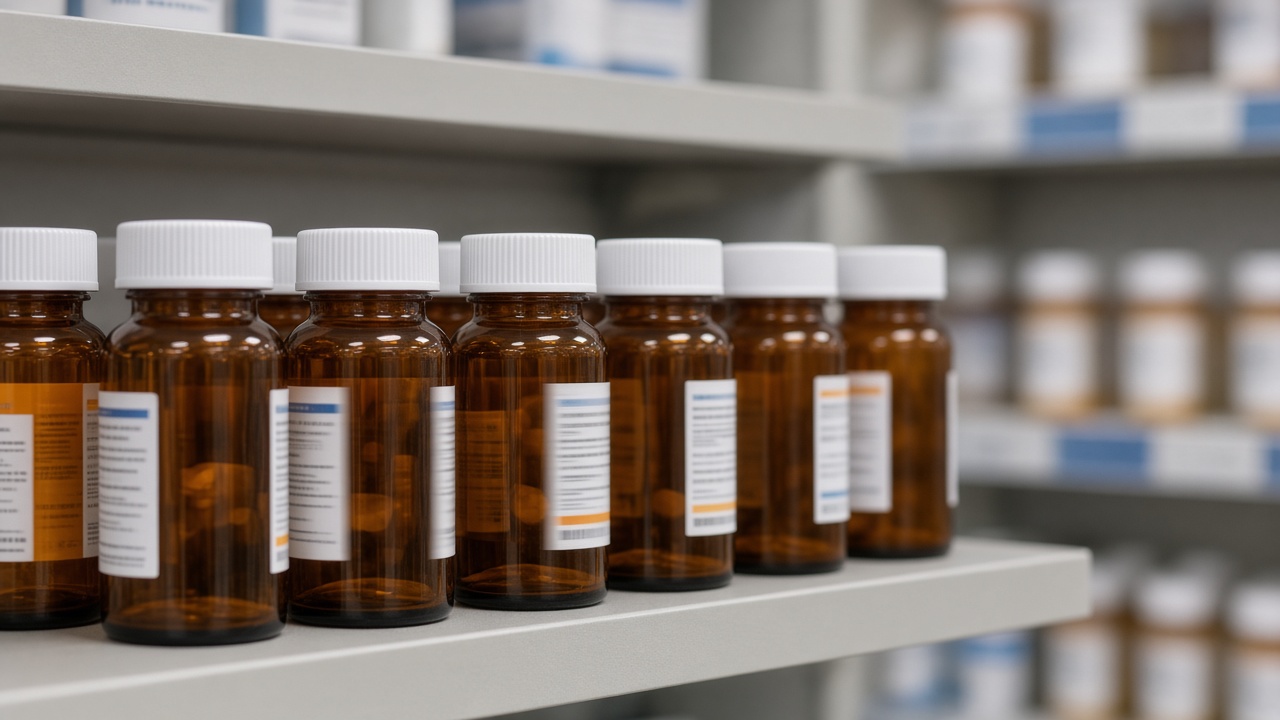
Hikma Pharmaceuticals USA recalled multiple lots of ciprofloxacin tablets this week after tests found N-nitroso-ciprofloxacin above the Food and Drug Administration's interim control limit, affecting nearly 50,000 bottles distributed to wholesalers and retail pharmacies nationwide.
The agency assigned a Class II designation on November 3, meaning the product might cause temporary health problems but serious adverse effects are considered remote. Ciprofloxacin remains a widely used antibiotic for urinary tract infections, certain respiratory illnesses, and other bacterial diseases, so the recall operates at the distribution layer rather than through consumer mailbacks.
Which bottles are affected
For the 500-milligram strength, the recall covers 29,085 hundred-count bottles bearing NDC 0143-9928-01. Lot numbers CB496A, CB497A, and CB498A carry expiration dates of December 31, 2026. For the 750-milligram strength, 20,335 fifty-count bottles with NDC 0143-9929-50 are included in lots CA083A, CA084A, and CA085A with the same year-end expiration.
Pharmacies and distributors—not patients—are responsible for quarantining inventory. If you already picked up a prescription, call the dispensing pharmacy with your label handy; staff can match lot and NDC codes without you returning unused pills unless instructed.
Nitrosamines and risk framing
Nitrosamines are a class of compounds that can form during drug manufacturing or storage. Some members are carcinogenic at high long-term exposure, which is why the FDA publishes interim acceptable intake limits while manufacturers reformulate processes. California's State Board of Pharmacy noted that a medical assessment of the observed levels concluded they are not expected to adversely affect patient safety for the exposed lots, but regulators still require removal from commerce.
Patients should not stop taking ciprofloxacin without talking to a clinician; abrupt discontinuation can fail to clear an infection and contributes to resistance. If your pharmacy confirms the lot is recalled, clinicians can switch to an alternative fluoroquinolone or non-fluoroquinolone therapy based on the infection type and local resistance patterns.
Practical steps this weekend
What nitrosamine limits mean
The Food and Drug Administration's interim limits on N-nitroso-ciprofloxacin reflect a broader agency push to scrub dozens of generic molecules after valsartan and ranitidine scares. Manufacturers can exceed thresholds temporarily while they validate new synthesis routes, but wholesalers must quarantine affected lots once a firm notifies them. Hospital pharmacies typically receive direct substitution instructions from group purchasing organizations within 48 hours of a Class II posting.
Patients using ciprofloxacin for travelers' diarrhea or skin infections should confirm whether their course is near completion before seeking a new fill. Short remaining courses may be finished under clinician guidance when benefits outweigh theoretical long-term nitrosamine exposure, a judgment call the recall notice leaves to prescribers rather than consumers acting alone.
Check whether your household still has bottles from fall 2026 fills. Compare lot codes printed on the carton or bottle rim with the list above. Report suspected adverse events through the FDA MedWatch portal and keep the original container for documentation.
Hikma initiated the action after internal testing and regulatory coordination; the firm did not launch a consumer-facing refund program because the channel stop is wholesale. Insurance plans typically cover a replacement fill once a pharmacist documents the recall. Expect some backlog if your area relied heavily on the affected Columbus, Ohio, manufacturing site for generic cipro supply.
Retail pharmacists said Thursday they were scanning wholesaler notices and pulling affected NDCs from automated dispensers. If your refill is delayed, ask whether an equivalent generic from another manufacturer is in stock; therapeutic substitution rules vary by state pharmacy boards.
The FDA maintains a searchable recall database updated daily; bookmarking it is easier than relying on social posts that may omit lot numbers. Clinicians treating hospitalized patients should check inpatient pharmacy formularies, which sometimes use different NDC packaging than retail bottles listed in the notice.
Insurance copays on a replacement fill should match the original tier unless your plan reclassifies the drug; ask the pharmacist to adjudicate the claim before you leave the counter.