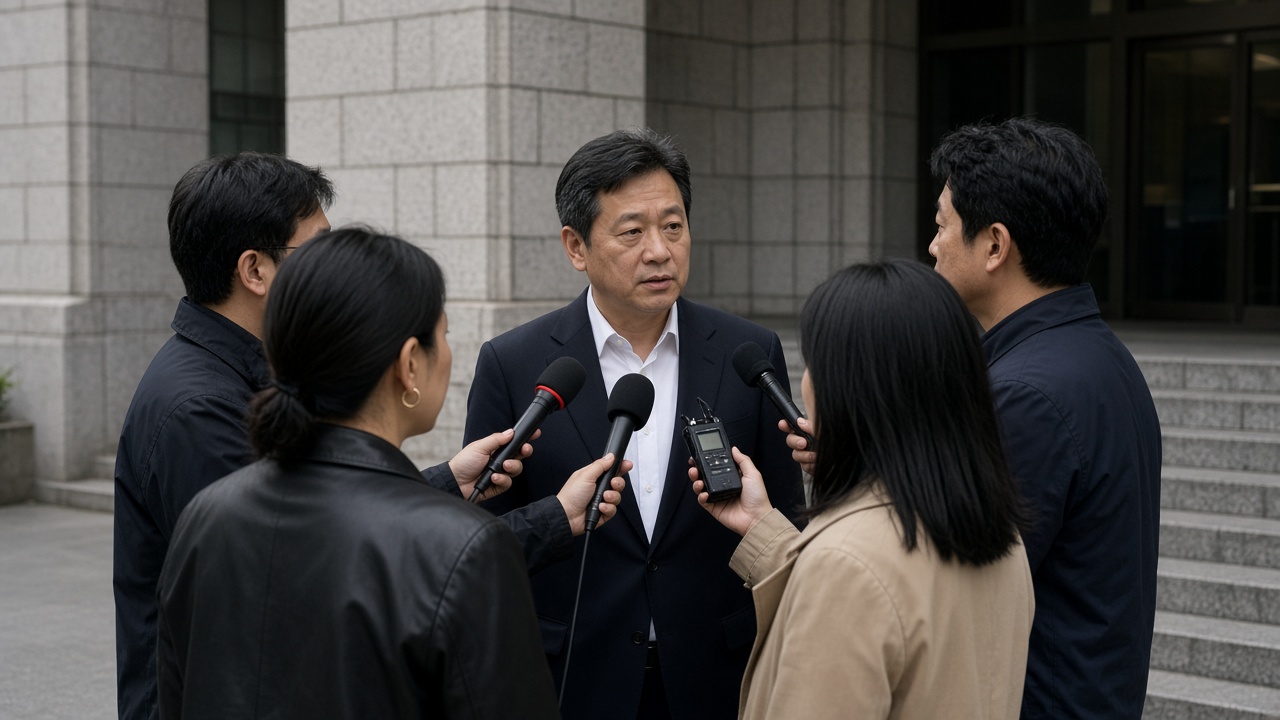
Taiwan’s High Prosecutors Office indicted independent legislator Kao Chin Su-mei and three current and former staff members on Saturday, accusing them of operating a China-funded influence network inside the Legislative Yuan and seeking a 14-year sentence for Kao under the National Security Act and anti-corruption statutes.
Prosecutors said Kao, former office directors Chen Chih-ye and Zhang Junjie, and aide Lin Yi-chun formed a group prosecutors labeled the “Ancestors’ Homeland” team, allegedly receiving about NT$170 million (US$5.3 million) between 2005 and 2016 to recruit organizers, stage protests and steer parliamentary debate on issues sensitive to Beijing.
What the indictment alleges
According to the indictment, the money flowed through shell entities and overseas accounts controlled by associates in China, including Zhang, who prosecutors say fled Taiwan after his bail was revoked in an earlier probe. Investigators contend the network coordinated public pressure campaigns against U.S. arms packages, curriculum adjustments that emphasized Taiwan’s distinct identity and diplomatic visits that angered Chinese authorities.
Prosecutors cite Legislative Yuan records showing Kao’s floor speeches and committee interventions aligned with messaging Beijing promoted in state media during the same periods—particularly votes on defense outlays and resolutions welcoming foreign delegations. They argue the pattern went beyond ideological sympathy, constituting a structured effort to compromise Taiwan’s democratic process.
Prosecutors asked for a 14-year term for Kao and 15 years for Zhang; Chen and Lin face shorter terms after partial confessions on logistics and record-keeping. All four are charged with developing an organization endangering national security, along with corruption counts tied to illicit payments.
Political fallout in Taipei
Kao, one of the legislature’s highest-profile Indigenous lawmakers, built her brand on confrontational questioning of security budgets and Indigenous land disputes. Party leaders from both the ruling Democratic Progressive Party and the opposition Kuomintang distanced themselves within hours of the indictment, stressing that any legislator convicted of espionage-related crimes should forfeit their seat.
The case lands as Taiwan’s government is already under strain from a punishing sell-off in technology shares linked to U.S. political uncertainty. Security officials worry that simultaneous market turmoil and espionage trials could feed disinformation narratives claiming Taipei’s institutions are unraveling—a storyline prosecutors highlighted in their news conference when they urged the public to distinguish routine partisan fights from alleged foreign infiltration.
Kao’s office released a short statement denying the charges and saying she would fight them in court. Her lawyers have not yet detailed a defense strategy, but prior cases involving alleged Chinese funding often hinge on whether prosecutors can tie specific yuan transfers to parliamentary acts, not just rhetorical overlap.
What happens next
The Taiwan High Court will assign a panel to hear the case, with pretrial hearings likely to stretch into 2027 given the volume of financial evidence. The Legislative Yuan may suspend Kao’s committee assignments if judges impose travel restrictions or if a separate ethics committee opens a parallel inquiry.
Washington and Tokyo, which coordinate closely with Taipei on export controls and military sales, typically monitor Taiwanese espionage trials for signals about how thoroughly democratic allies police covert Chinese financing. Prosecutors said they have shared documentary evidence with national security agencies but declined to say whether foreign partners requested briefings.
For voters, the indictment crystallizes a recurring anxiety in Taiwan politics: that opaque party patronage and independent celebrity lawmakers can mask long-running intelligence operations. Whether the court agrees with prosecutors’ narrative will shape not only Kao’s career but also the Legislative Yuan’s willingness to tighten disclosure rules for lawmakers’ aides and shell nonprofits.