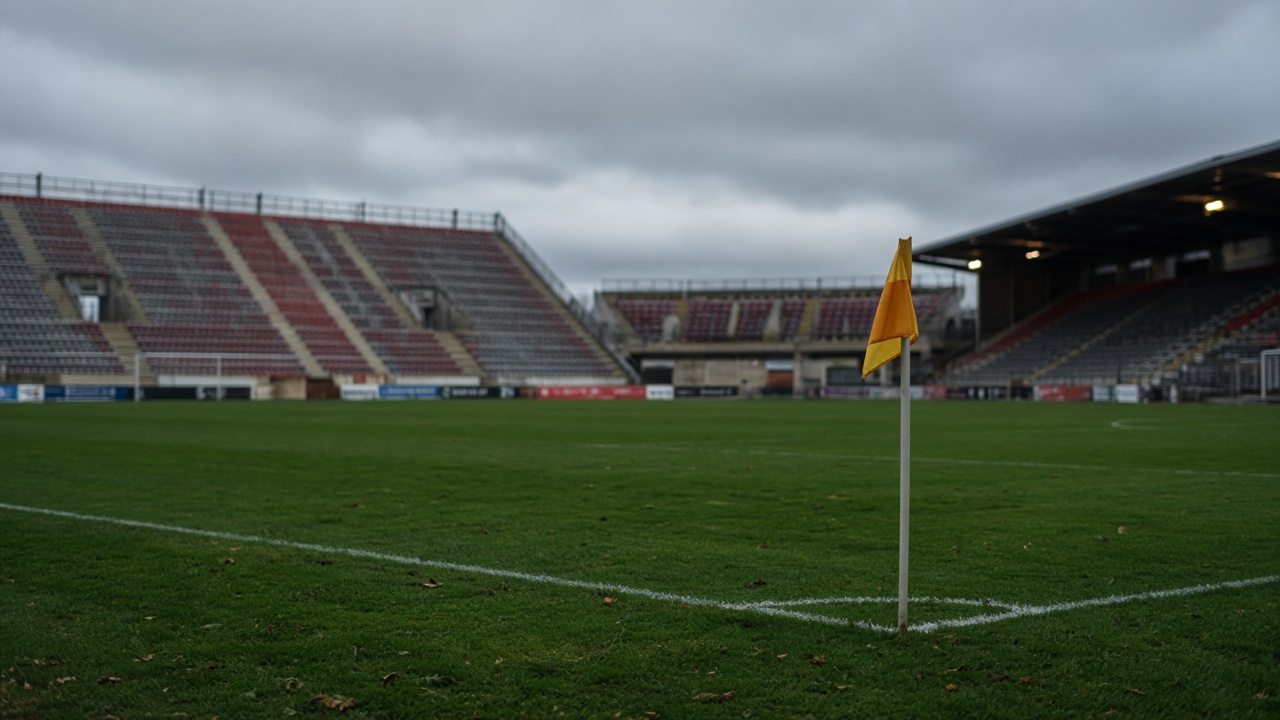
Japan's top flight entered November with FC Tokyo atop the Meiji Yasuda J1 League table after thirteen matchweeks of the 2026 season, according to the league's English standings page updated November 1. Matchday 14, played November 7–8, stacked headline fixtures: FC Tokyo hosted Kashima Antlers in a meeting between the current pace-setter and the most recent champions, while Sanfrecce Hiroshima—second on points—visited FC Machida Zelvia in third, a direct duel for silverware positioning halfway through the year-long grind.
Why the calendar matters domestically
J.League's official preview article for the round emphasised Tokyo's long unbeaten defensive streak and Kashima's need to sustain attacking output from foreign strikers after an uneven stretch. Machida versus Hiroshima carried a different tactical lens—Machida's organised back line against Hiroshima's quick wing transitions—mirroring debates about whether compact 4-4-2 blocks or fluid 3-4-3 shapes dominate post-AFC Champions League Elite fatigue.
Fan economics
Weekend doubleheaders help regional tourism bureaus sell stadium-adjacent hotel packages, but television windows still anchor revenue. Broadcasters tightly cluster Saturday night JST kicks so Pacific Rim streams can piggyback; that scheduling choice ripples through club merch pop-ups which now time limited-edition scarf drops to Friday commuters.
Injury and discipline watch
Official previews flagged lineup suspensions and minute-management stories that shift xG profiles more than table position alone—critical detail for sportsbooks and fantasy products regulated under Japan's cautious gambling framework.
What data to trust
Rely on league-published statistics and club injury reports rather than aggregator scrapers; J.League frequently revises clock and venue data for weather delays.
Broadcast and ticketing overlays
J.League's scheduling clusters help national broadcasters pool production trucks, but it also means viewer fatigue when multiple top fixtures overlap; streaming subscribers pick one marquee match and time-shift the rest—a habit that changes sponsor ROI on live reads versus replay billboards. Stadium concessions experiment with grab-and-go formats when security lines lengthen for doubleheaders hosted by the same prefecture on Sunday afternoons.
Youth academies track first-team minute loads; a compressed November risks hamstring injuries among teenagers who also sit mock exams, nudging coaches to rotate Development League minutes earlier than spreadsheets suggest.
League table math and spring travel
Because Meiji Yasuda J1 runs a single table without playoffs, every autumn weekend shifts coefficient points that feed into AFC Champions League Elite quotas for the following year—clubs hovering between fourth and seventh quietly eye passport miles as much as crowds. Stadium security teams meanwhile rehearse combined protocols with prefectural police when two marquee fixtures land in Greater Tokyo on the same weekend, a staffing puzzle that rarely makes highlight reels but dictates how quickly fans clear ticket gates.