Ministry of Electronics and Information Technology officials are finishing a long-promised artificial intelligence consultation paper while Principal Scientific Adviser Ajay Kumar Sood and secretary S Krishnan publicly tie the work to Data Empowerment and Protection Architecture for AI training — a framework that routes models into secure enclaves instead of shipping citizen datasets to external clouds.
The dual-track message — rules on paper, engineering in controlled rooms — reflects how India is trying to avoid both unchecked model rollouts and a copy-paste of foreign licensing regimes that barely fit Indian data realities.
What the consultation is likely to ask
Reporting around the draft highlights predictable fault lines: who owns liability when a generative system produces harmful output, how much transparency regulators demand on training corpora, and how sector bodies such as RBI and Sebi keep primacy over finance-specific models. MeitY has signalled a techno-legal path where industry carries implementation load while government sets red lines on deepfakes and critical-infrastructure deployment.
The answers matter for startups bidding on government contracts: a vague "self-certify" lane helps speed; prescriptive audits help incumbents with compliance teams.
DEPA and "the model travels to the data"
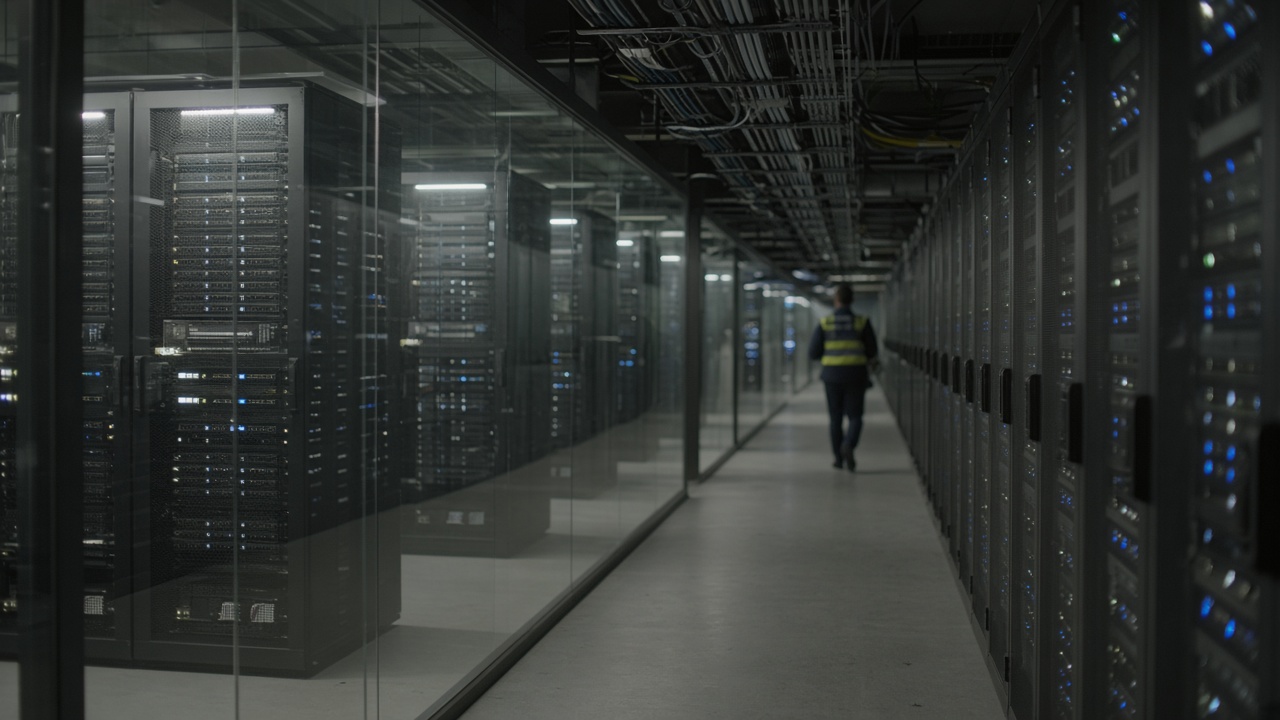
Sood’s phrasing — that the model travels to the data — is more than a slogan. It encodes hardware-based secure data environments, contractual limits on re-use, and trace logs that follow each training run.
Krishnan’s Bengaluru launch of the handbook with iSPIRT participation sketches a voluntary market: hospitals or banks remain training-data providers, while startups register as consumers on an exchange layer. Only models trained inside the sanctioned stack qualify for optional state recognition, nudging procurement without banning outsiders outright.
What enterprises should queue now
Legal teams should map which Indian datasets already sit under consent frameworks and which vendor contracts forbid secure-enclave extraction. Engineering leads need capacity plans for confidential compute; many firms still lack GPUs colocated with UID-verified access rooms.
When the consultation drops, comment periods will be short relative to the stakes. Firms that draft position papers now — with sector-specific harms spelled out — will shape carve-outs for healthcare, telecom OSS/BSS code, and multilingual evaluation benchmarks.
India is betting that trust beats sheer parameter count. The ministry’s week shows both halves of that wager moving together.
Comment windows and procurement
Large IT services vendors are already drafting joint comments because state governments will embed model-evaluation clauses in RFPs long before Parliament passes a full AI statute. GST Suvidha providers and account-aggregator stacks may be first movers because their data already touches consent rails.
Startups without in-house policy teams should budget for a two-week sprint once the PDF lands; missed comments mean defaults written by enterprises with Delhi counsel on retainer.