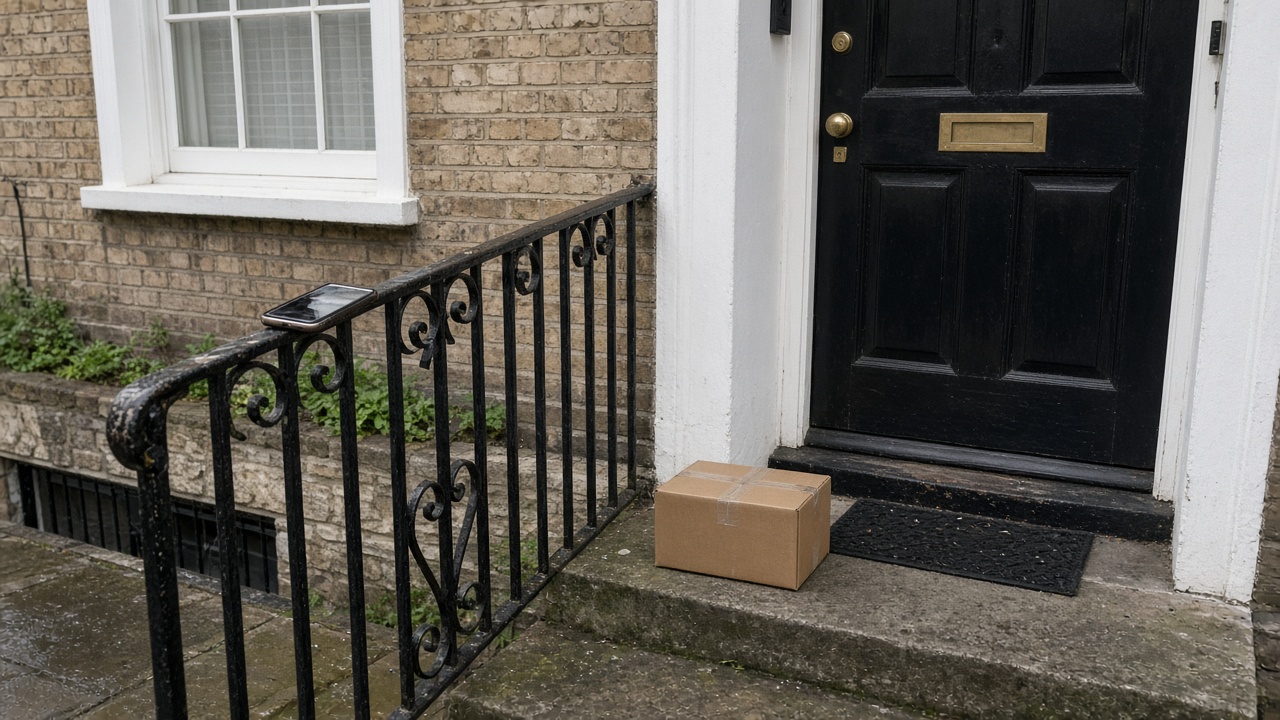
The National Cyber Security Centre kicked off a refreshed Stop! Think Fraud campaign on Friday, telling households to delete unsolicited delivery texts and enable two-step verification on email and banking apps before the festive shopping surge that fraud units say cost UK consumers £11.8 million last winter.
Working with the Home Office and City of London Police, GCHQ’s public-facing branch highlighted spoofed messages claiming courier fees were unpaid—lures that route victims to card-skimming sites dressed up as Royal Mail or DPD branding.
What changed in the guidance
Updated material stresses password managers and phishing-resistant authentication rather than generic “be careful online” slogans. Officials said reporting channels through the Suspicious Email Reporting Service would prioritise takedown requests for domains imitating major retailers between November and January, when parcel volume doubles.
Retailers supporting the campaign will place QR codes linking to checklists in confirmation emails. The advice tells shoppers to pay with credit cards where possible, refuse bank transfers for consumer goods, and never follow links in unexpected SMS threads—even when messages cite small customs charges plausible after Brexit rule changes.
Why delivery scams keep working
Fraudsters exploit the fact that many households juggle multiple genuine orders during Black Friday week. A one-pound “redelivery fee” request feels credible when families expect packages. NCSC analysts noted a rise in messages referencing Hermes evri rebrands and citing truncated tracking numbers lifted from real labels photographed in recycling bins.
Businesses suffer too: small shops report chargebacks when customers blame merchants for scams originating on third-party marketplaces. Banks have tightened APP fraud reimbursement rules, but consumer groups argue reimbursement still varies by institution, keeping pressure on preventative education.
Corporate obligations
The refreshed guidance reminds employers that payroll teams remain prime targets for SMS phishing during bonus season. IT departments should enforce number-verification for bulk texts sent to staff and rotate SMS gateway API keys after the npm supply-chain incidents documented this week. NCSC tied the two threats together: stolen developer credentials can mint convincing courier domains faster than registrars flag them.
How to respond
Anyone who clicked a suspicious link should contact their bank immediately, rotate passwords from a clean device, and forward messages to 7726. The campaign’s site hosts printable leaflets for libraries and GP waiting rooms, acknowledging that older adults remain overrepresented in fraud statistics. Enforcement gains are incremental, but officials hope consistent messaging before parcels pile on doorsteps will shave a few percentage points off seasonal losses.