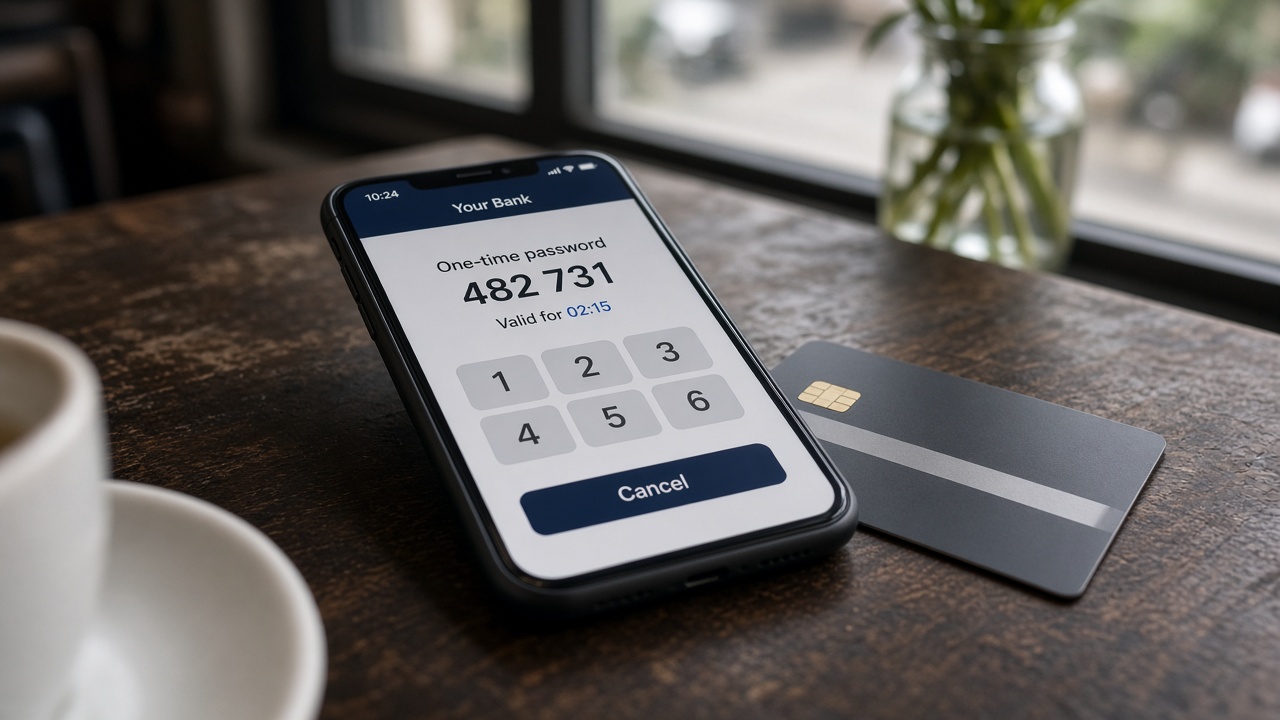
South Korean issuers rarely comment on a single offshore exchange incident, but the mechanics described in Binance’s published post-incident review intersect directly with how Korean cards authenticate unusual token movements: one-time passwords, push approvals, and merchant velocity checks are only as strong as the employee laptop behind them.
What changed in the threat model
Binance’s account, carried by Yonhap and other outlets, described a multi-stage operation that began with fictitious recruiter outreach on a hiring platform, moved through repository-delivered tooling, and later referenced misuse of an in-house assistant-class application on an internal network. The write-up matters to card teams because harvested credentials are often replayed against fiat on-ramps tied to Visa and Mastercard rails, not merely against chain addresses.
What Korean issuers tightened first
Major domestic schemes spent the back half of the week pushing additional OTP challenges on cross-border e-commerce merchant categories that spike when crypto-related gift cards or prepaid loads jump. Acquirer terminals that see unusually rapid small-ticket PIN bypass attempts—often a sign of wallet top-up cycling—are getting stricter velocity caps through host-authorization switches.
Household impact in won
Most retail harm still lands in account-to-account transfers that sit outside card chargeback rules. Issuers nonetheless see indirect exposure when customers reuse bank-app passwords on exchange logins or when social-engineer callers “helpfully” walk victims through one-time approval screens on a live call.
Merchant and processor notes
Large franchise retailers saw refresher notices from their Korean processors urging staff to refuse remote desktop sessions from “security auditors,” a social pivot that mirrors the hiring-portal lure pattern publicized this week.
Processors are also re-testing 3-D Secure implementations on international digital goods, where compromised cards historically meet minimal friction before settlement.
App updates landing silently
Several issuers pushed minor mobile-app releases that add merchant nicknames to push notifications and require explicit consent before saving new payees—incremental changes rarely covered in marketing copy but visible to payment-risk teams within hours.
What cardholders should expect
Expect more push notifications that force explicit merchant naming, and a higher chance of voice-outbound verification for first-time large transfers to new beneficiaries. None of those steps blocks a determined insider campaign at an exchange, but they raise the cost of repeating the same social recipe against a Korean card base.