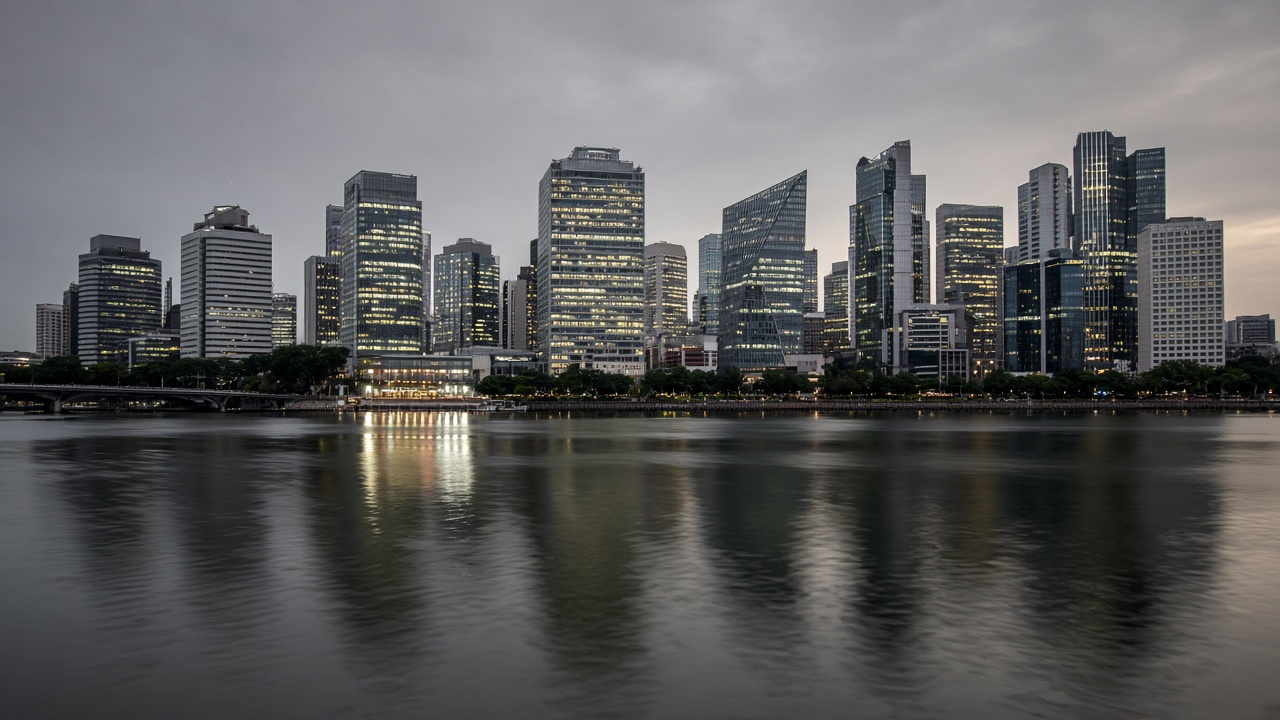
Regional risk-off trades washed into Singapore on 6 November, dragging the Straits Times Index down 2.2 percent, or 117.08 points, to a 5,179.17 close as technology-linked manufacturing names weakened alongside semiconductor peers across Asia, The Business Times reported in its daily market wrap.
Who moved
Within the benchmark, electronics manufacturing services heavyweight Venture Corporation and semiconductor equipment supplier AEM Holdings featured among the pressured large-caps cited in local reporting as traders repriced exposure to global AI capital expenditure headlines after U.S. midterm results refocused attention on potential regulation of frontier technology spending.
Ground services firm SATS was the standout gainer on the day profiled by BT—a reminder that the index is not a pure play on chips: aviation traffic and cargo attach to a different earnings cycle.
How retail investors read the tape
Singapore’s market is shallow compared with Tokyo or Hong Kong, so a handful of liquid industrial names can dominate day-to-day volatility. Sessions like Friday’s push regular investors to revisit concentration risk inside Central Provident Fund portfolios that hold STI-linked funds: when manufacturing beta dominates, domestic banks may not offset declines if credit quality stories are quiet.
Macro context
BT framed the session as part of a turbulent week for semiconductor counters rather than a domestic shock originating in monetary policy. That distinction matters for households deciding whether to treat a red screen as a signal about Singapore’s labour market—usually it is not—or about global inventories and U.S. dollar liquidity, which increasingly drive exits.
What desks watch next
The next catalysts are likely external: U.S. guidance from large chip designers, export data from Northeast Asia, and any fresh remarks from Singapore’s monetary authority during the year-end statement cycle. Until then, range-bound trading with elevated stock-specific gaps around earnings remains the working assumption.
CPF and retirement allocations
Members routing voluntary contributions into CPF Investment Scheme-linked funds should remember that STI trackers inherit the same manufacturing-heavy sector weights as the headline index. A weekly drawdown therefore looks larger on a statement print than on a globally diversified portfolio. That is not an argument for timing the market—most default dashboards beat retail trading over long horizons—but it is a prompt to revisit whether a plain vanilla global equity fund better matches risk tolerance.
Banks and yield plays
The same BT round-up noted analysts trimming DBS price targets after third-quarter numbers, reminding shareholders that lenders and industrials sometimes diverge. When rate expectations get noisy, investors sometimes park cash into local bank equities for dividends; Friday’s session showed that playbook is not automatic when loan-growth worries surface alongside tech cyclicality.
SATS as a hedge narrative
Aviation services outperforming on a red tape day underlines sector rotation: belly-hold cargo and passenger volumes tether earnings to China reopening stories, visa rules, and slot availability at Changi—not to GPU lead times. For portfolios anchored purely on “Singapore equals semis,” days like this are calibration exercises.