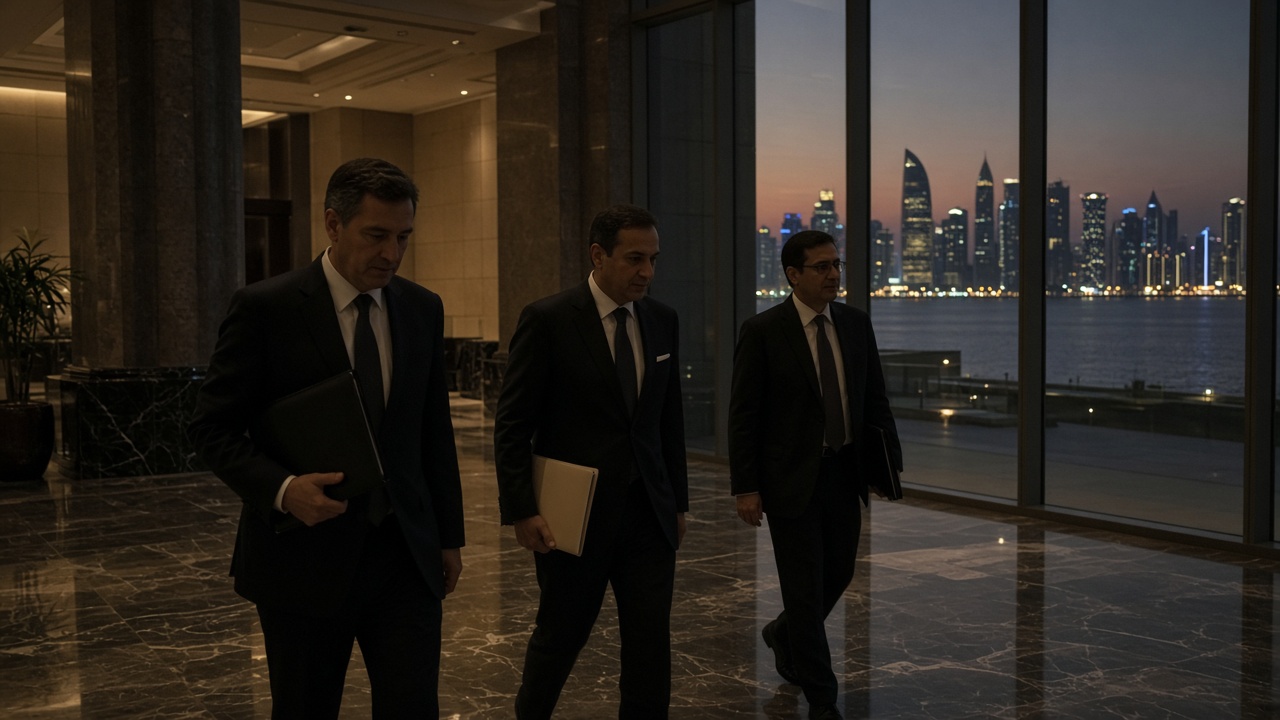
Iran has delivered a written nuclear proposal to the United States through Qatari mediators, but a senior Iranian official told Reuters on Thursday that Washington must satisfy seven standing demands before Tehran will open the Strait of Hormuz or sit down for talks.
The message lands as President Donald Trump says he will decide soon whether to resume combat after the midterm elections, while tanker traffic in the Gulf remains disrupted and both capitals argue over which side must move first.
What Qatar carried
The senior official, who spoke to Reuters on condition of anonymity, said the U.S. government was reviewing the proposal but declined to describe its terms. The official framed the document as a nuclear track that could be discussed only after Iran's seven conditions are met, not as an offer that bypasses them.
Qatar has hosted back-channel contacts throughout the standoff. Iranian outlets and regional media have reported that a Qatari delegation presented drafts to both sides this week, including discussion of a possible memorandum of understanding, though neither government has published a text.
The seven demands on the table
Supreme National Security Council Secretary Mohsen Rezaei, who spoke during a visit to Russia on Thursday, listed Tehran's requirements in public remarks that match what Iranian officials have repeated for weeks: a full halt to hostilities and military strikes, release of frozen Iranian assets abroad, an end to the naval blockade, lifting of economic sanctions, a drawdown of U.S. forces in the region, war reparations, and an end to threats and interference in Iran's affairs.
On the social platform X, Rezaei said Washington's responses so far were "not convincing" and that Hormuz would stay effectively closed to normal traffic until those conditions were executed, not merely debated.
Why sequencing still blocks a deal
The practical split is order of operations. U.S. officials have said Iran's centrifuge and enrichment posture must be on the table from the start if sanctions relief is in play. Iranian leaders, including clerics who addressed Friday prayers in Qom over the weekend, argue the security and economic steps are prerequisites, not follow-ons.
That stalemate keeps commercial risk elevated. Iran's Revolutionary Guard navy reported mines damaging vessels attempting Hormuz transits, and insurers continue to price war premiums for Gulf routes. Tehran's earlier decision to drop a self-imposed ballistic-missile range cap sits in the same escalatory bucket, even though it is separate from the nuclear paper Doha carried.
What happens next
Trump told reporters after the midterms that he would rather not "destroy the rest of Iran" but might have to, adding that the public would "know soon enough" about his decision. U.S. military planners have reportedly eyed dates shortly after the election for possible strikes, a calendar Tehran watches as closely as markets do.
For negotiators, the next visible marker is whether Washington answers Iran's seven conditions in a form Tehran accepts—or whether the Qatari channel goes quiet while ships, missiles, and rhetoric keep moving in parallel.