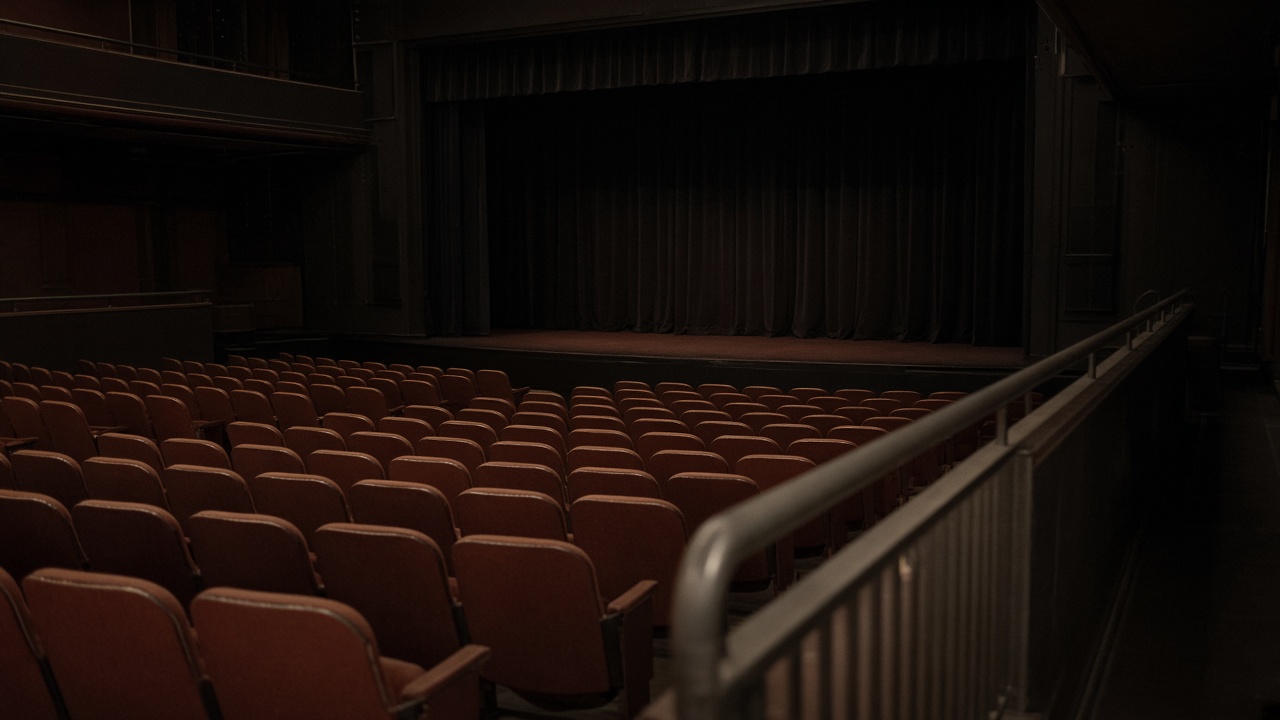
T.H.E Dance Company’s Pan—choreographed by founding artistic director Kuik Swee Boon with South Korean collaborator Kim Jae-duk—reaches Singapore audiences as a live staging on 6 and 7 November at the Singapore Chinese Cultural Centre after debuting as a streamed production during pandemic closures, The Straits Times noted in its arts planner for the weekend.
What the piece explores
The work borrows the Chinese creation myth of Pangu, whose body is said to separate into mountains, rivers, and weather. In the dance treatment, that cosmology becomes a lens for how motifs travel across borders—music, costume, and line all echo exchange rather than purity. A wheelchair dancer is integrated into the ensemble, a casting choice that reframes virtuosity away from vertical jumps alone.
Cultural venue as stage
Staging at the Singapore Chinese Cultural Centre places the production inside a civic building devoted to heritage programming rather than a commercial mall atrium. That context matters for audiences who follow the company’s history of intimate black-box premieres: the acoustics, sightlines, and proximity to Chinatown’s food alleys shape a full evening itinerary.
Why Singapore audiences should care
Pan already collected digital-era laurels—a nod from the Asian Art Awards at the Edinburgh Fringe in Scotland, according to ST’s preview copy—before ticket-holders could sit shoulder-to-shoulder. Watching it in person closes a loop for patrons who streamed works in slippers during lockdowns and now measure live dance against memory.
Creative economy angle
Imported choreographic partnerships remain one of Singapore’s most efficient cultural imports: they add vocabulary to local dancers while keeping travel costs lower than staging a full overseas company. For policymakers, each successful co-production is a data point that arts grants deliver measurable skills transfer, not only marquee photographs.
Ticket-holders’ note
Schedules and seat maps live with the presenter; weekend patrons should confirm curtain times and late-seating rules at source. Arrive early—the centre’s lobby exhibitions reward browsers who want context before the first blackout.
Access and seating
Wheelchair integration on stage is only half the accessibility picture—patrons who use mobility aids still need step-free paths from Drop-off to hall doors. Cultural institutions along Kreta Ayer have improved lifts in recent upgrades; double-check seat maps if a companion cannot manage stairs during intermission.
Make a night of it
Chinatown’s hawker rows are a ten-minute wander away, but Friday crowds can swamp Telok Ayer exits right as shows end. Diners aiming for a post-performance meal might book tables east of the centre or take the Downtown Line one stop outward to avoid queues that barely move after 22:00.
Grants and touring calculus
Co-productions such as Pan rely on National Arts Council grants, venue fee offsets, and ticket revenue sharing. When international collaborators join, currency moves and airfare inflation feed directly into whether a second weekend—or a school matinee—gets funded. Audiences voting with their wallets still matter more than ribbon-cutting speeches.